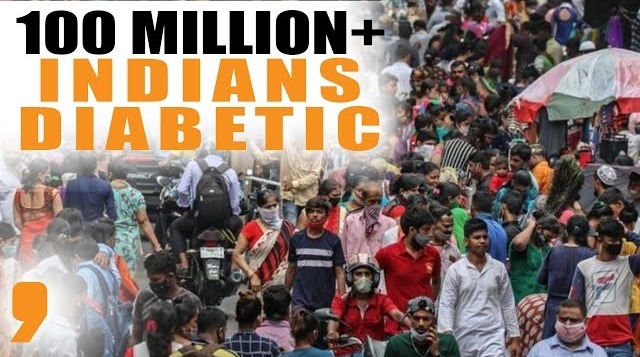
With over 100 million people living with diabetes in India, medical experts are dispelling long-held misconceptions surrounding sugar intake and metabolic health. Medical specialists emphasize that while dietary sugar is not a direct cause of Type 2 diabetes, excessive consumption leads to weight gain and visceral fat accumulation that drive insulin resistance.
NEW DELHI, India — With recent clinical estimates confirming that more than 100 million people in India are living with diabetes, public health researchers and medical practitioners are addressing widespread dietary misconceptions regarding the condition.
Clarifying the exact relationship between high-sugar diets and metabolic disorders, endocrinologists state that while dietary sugar does not directly cause Type 2 diabetes, chronic overconsumption of refined sugars drives weight gain, obesity, and visceral fat accumulation—the primary metabolic triggers for insulin resistance.
Epidemiological Context: India's Growing Metabolic Challenge
Data published by the Indian Council of Medical Research (ICMR) indicates that India faces a significant public health challenge, with over 101 million individuals diagnosed with diabetes and an additional 136 million classified as pre-diabetic. The rapid rise in cases is attributed to lifestyle transitions, increased consumption of ultra-processed foods, sedentary work routines, and genetic predispositions toward abdominal adiposity.
Medical researchers note that Asian-Indian populations exhibit a unique metabolic phenotype characterized by higher body fat percentages and lower muscle mass at lower Body Mass Index (BMI) levels, making them susceptible to insulin resistance at lower weight thresholds than Western demographics.
Mechanics of Type 2 Diabetes: How High-Sugar Diets Impact Risk
Endocrinologists and internal medicine specialists explain that Type 2 diabetes develops when body cells become resistant to insulin the hormone responsible for regulating blood glucose levels or when the pancreas fails to produce adequate insulin over time.
According to clinical explanations from leading medical practitioners:
Indirect Causal Link: Dietary sugar is not a direct toxic agent to pancreatic beta cells; rather, excess caloric intake from simple sugars leads to surplus fat storage in the liver and abdominal cavity.
Insulin Resistance Mechanism: Visceral fat releases inflammatory cytokines that interfere with cellular insulin signaling, forcing the pancreas to overproduce insulin until beta-cell fatigue occurs.
Refined Carbohydrates vs. Complex Sugars: Processed foods, sugar-sweetened beverages, and refined flour cause rapid blood glucose spikes, placing higher acute acute stress on metabolic pathways compared to naturally occurring sugars in whole fruits and vegetables.
Prevention Framework: Dietary Guidance and Lifestyle Controls
To address the high incidence of diabetes across urban and rural populations, health agencies recommend structured dietary modifications focused on reducing refined carbohydrate density rather than eliminating natural sugars indiscriminately.
Key clinical recommendations from health authorities include:
Prioritizing Whole Foods: Replacing refined sugars and white flour with high-fiber grains, legumes, and non-starchy vegetables to slow glucose absorption.
Eliminating Liquid Caloric Spikes: Reducing intake of sugar-sweetened beverages, commercial fruit juices, and energy drinks, which contribute heavily to caloric surpluses without promoting satiety.
Combining Exercise with Diet: Engaging in at least 150 minutes of moderate aerobic activity and resistance training weekly to increase muscle glucose uptake independent of insulin action.
Impact on Public Health, Citizens, and Healthcare Policy
The clarification of dietary diabetes risks holds significant implications for public health management and individual prevention strategies:
For Citizens & Consumers: Directs focus toward total daily caloric balance, body composition, and physical activity rather than relying solely on sugar-free product alternatives.
For Public Health Policy: Encourages clear nutritional labeling, public awareness campaigns on ultra-processed foods, and early screening initiatives for pre-diabetes.
For Preventive Healthcare: Helps individuals manage risk factors early through routine HbA1c blood tests and targeted lifestyle interventions before irreversible pancreatic damage occurs.
Official Sources Section
Epidemiological metrics, clinical guidelines, and medical findings cited in this report were cross-referenced with public health disclosures from:
Quote Section
"According to medical experts and clinical researchers, sugar is not a direct cause of Type 2 diabetes; rather, excess caloric intake from sugar-rich diets leads to weight gain and visceral fat accumulation, which directly drive insulin resistance."
Why It Matters
Understanding that diabetes stems from complex metabolic factors rather than sugar intake alone empowers individuals to adopt more comprehensive lifestyle changes. Focusing on total caloric balance, physical activity, and whole-food nutrition allows populations to effectively target the root causes of insulin resistance and stem the rising incidence of chronic metabolic disease.
Key Facts at a Glance
National Burden: Over 101 million people in India are diagnosed with diabetes, with 136 million classified as pre-diabetic.
Medical Reality: Sugar intake does not directly cause Type 2 diabetes, but excess caloric intake leads to visceral fat accumulation and insulin resistance.
Metabolic Vulnerability: Asian-Indian populations demonstrate higher metabolic risk at lower BMI thresholds due to higher visceral fat distribution.
Prevention Strategy: Clinical guidelines emphasize reducing refined carbohydrates, increasing dietary fiber, and maintaining regular physical exercise.
Frequently Asked Questions (FAQs)
Does eating sugar directly cause Type 2 diabetes?
No, medical experts clarify that eating sugar does not directly cause Type 2 diabetes. However, high sugar consumption contributes to weight gain and visceral fat, which are primary causes of insulin resistance.
How many people in India have diabetes?
According to data from the Indian Council of Medical Research (ICMR), over 101 million people in India have diabetes, and an additional 136 million are pre-diabetic.
What is the primary cause of Type 2 diabetes?
Type 2 diabetes is primarily caused by insulin resistance, where cells fail to respond effectively to insulin. Risk factors include genetic predisposition, abdominal obesity, physical inactivity, and poor overall diet.
Source: Indian Council of Medical Research, World Health Organization, Ministry of Health and Family Welfare India.