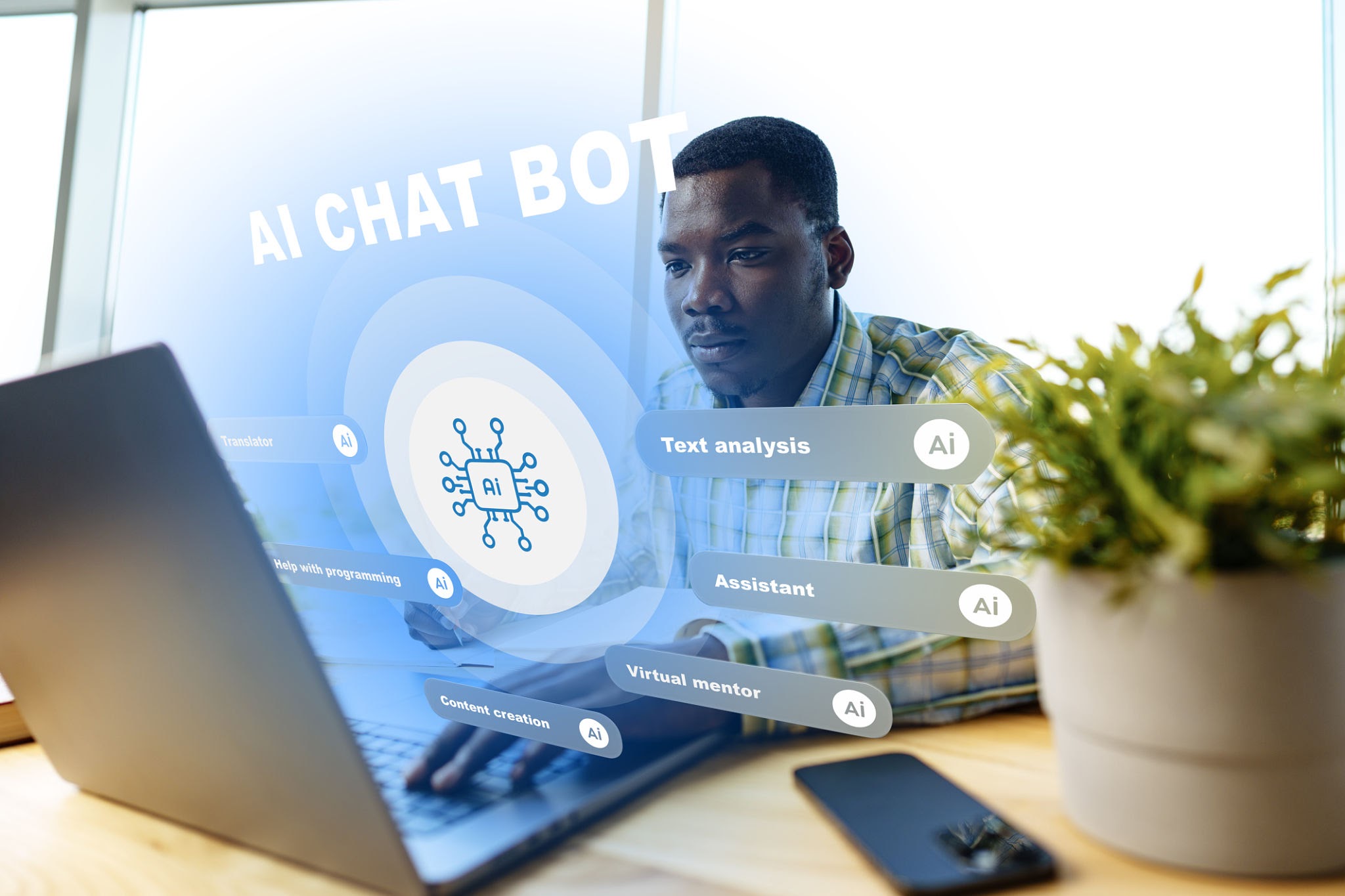
Enterprise technology departments are implementing strict human-in-the-loop validation and software guardrails following operational hallucinations in autonomous generative tools. To protect corporate systems, organizations are replacing unmonitored automation with Retrieval-Augmented Generation (RAG) and deterministic code verification systems to maintain data integrity and prevent critical enterprise failures.
BENGALURU, July 25, 2026 — Enterprise technology leaders and software engineering teams across India are tightening operational safeguards around generative artificial intelligence tools after recent incidents highlighted significant hallucination risks in autonomous business workflows. Industry technology reviews published on Friday revealed that several corporate operations desks nearly decommissioned automated AI assistants following critical data errors, unverified logic outputs, and unexpected software script failures.
The trend reflects a broader industry re-evaluation of autonomous digital assistants as enterprises transition from rapid AI adoption toward strict human-in-the-loop governance frameworks and real-time oversight.
Causes Behind AI Assistant Errors in Business Operations
Corporate technology departments report that operational friction typically arises when autonomous agents attempt complex tasks without sufficient context validation or deterministic code checks. While generative models excel at routine task execution, language model hallucinations can create severe technical debt or customer service disruptions.
Industry analysts have categorized the primary operational failure points observed across modern enterprise deployments:
Unverified Code Generation: AI coding assistants inserting non-existent API parameters or deprecated functions into production environments.
Context Drift: Multi-turn conversational models dropping initial constraint guidelines during extended customer service interactions.
Fabricated Documentation: Generative systems producing unverified policy details or false financial compliance summaries.
| Operational Vector | AI Deployment Risk | Industry Mitigation Strategy |
| Software Development | Non-functional code injection & hallucinated libraries | Mandatory human peer review & automated CI/CD pipeline tests |
| Customer Engagement | Incorrect pricing data & unapproved discount commitments | Deterministic database fallbacks & guardrail API filters |
| Data Analytics | Incorrect mathematical aggregation & false trends | Retrieval-Augmented Generation (RAG) & strict grounding rules |
Technical Guardrails and System Verification Shifts
Rather than completely terminating automated tools after observing that an AI chatbot nearly failed operational standards, chief technology officers are overhauling system architecture. Companies are increasingly deploying dual-layer validation systems, where deterministic software checks verify every generative response before execution.
Furthermore, technology teams are adopting Retrieval-Augmented Generation (RAG) and domain-specific fine-tuning to ensure that artificial intelligence outputs draw strictly from verified enterprise databases rather than open-ended training data.
Official Sources Section
According to official research bulletins and technology governance guidelines published by industry oversight bodies:
"According to officials, enterprise organizations must implement strict human-in-the-loop validation frameworks and automated compliance guardrails to ensure generative AI deployment remains safe, accurate, and accountable within production environments."
Technical benchmarks and AI risk management guidelines are published via the Ministry of Electronics and Information Technology and technical standards released by the National Association of Software and Service Companies.
Why It Matters
The shift toward strict operational controls on autonomous artificial intelligence tools carries direct implications for corporate productivity and digital transformation strategy:
For Enterprise Businesses: Prevents costly operational disruptions, compliance violations, and reputational damage caused by erroneous automated communications.
For IT & Software Teams: Establishes clear protocols where artificial intelligence serves as an augmented productivity tool rather than an unmonitored decision-maker.
For Consumers: Ensures higher accuracy and data privacy protection during automated customer service interactions with commercial platforms.
Key Facts at a Glance
Corporate Audit Push: Technology executives are reviewing generative AI deployments following unexpected operational errors.
Core Vulnerability: Model hallucinations and unverified logic loops represent the primary causes of system failures.
Governance Adoption: Enterprises are integrating mandatory human oversight and Retrieval-Augmented Generation (RAG) safeguards.
Regulatory Focus: Government and industry bodies are publishing updated AI safety and risk management frameworks for enterprise software.
Frequently Asked Questions (FAQ)
What causes an AI chatbot to generate incorrect operational output?
AI chatbots generate incorrect outputs due to "hallucination," a phenomenon where large language models identify patterns that do not exist, leading to fabricated facts, invalid code, or contextually inaccurate responses.
How are enterprises preventing AI chatbot errors in 2026?
Companies use Retrieval-Augmented Generation (RAG), strict guardrail APIs, deterministic software checks, and mandatory human-in-the-loop review protocols to ensure output accuracy.
What is a human-in-the-loop framework in AI management?
A human-in-the-loop framework requires human personnel to review, verify, or approve critical outputs generated by an artificial intelligence system before they are executed in production or delivered to customers.
Source: Ministry of Electronics and Information Technology (MeitY), NASSCOM India, and IEEE Standards Association.