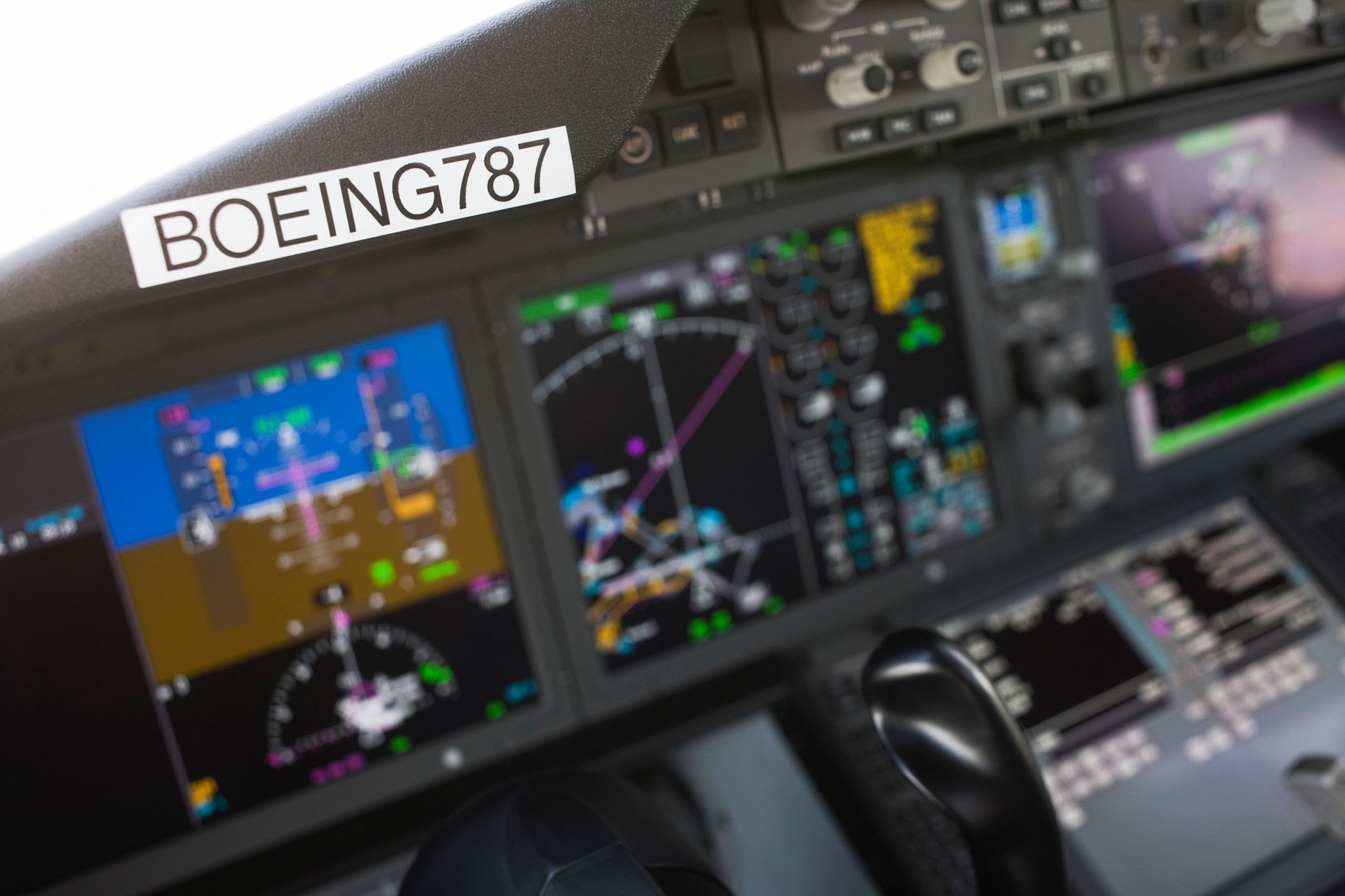
The Indian government confirmed that technical tests revealed no abnormality in the fuel control switch of the crashed Air India Boeing 787. Investigators have sent the complete Thrust Control Module to Boeing's U.S. facility for further forensic examination alongside AAIB, FAA, and NTSB officials.
NEW DELHI, India — The Ministry of Civil Aviation and the Aircraft Accident Investigation Bureau (AAIB) of India confirmed on July 29, 2026, that technical examinations revealed no operational abnormality in the fuel control switch of the crashed Air India Boeing 787 Dreamliner. However, aviation safety authorities announced that a comprehensive inspection of the aircraft's entire Thrust Control Module (TCM) is now underway at Boeing’s primary manufacturing and testing facility in the United States. The dual updates represent a pivotal phase in the ongoing international investigation into the fatal crash, as forensic engineers seek to isolate whether mechanical malfunction, electronic flight control interference, or procedural factors caused the twin-engine jet to lose power during its climb out of Ahmedabad.
Technical Examination Clears Fuel Control Switch Mechanics
According to updates issued by civil aviation authorities, metallurgical and electrical component testing conducted on the recovered fuel control switches showed no physical defects, internal binding, or electrical contact failures. The fuel control switches, located on the center pedestal of the Boeing 787 cockpit, regulate fuel flow to the twin General Electric GEnx-1B engines.
Preliminary investigative findings previously indicated that the fuel supply to both engines was temporarily interrupted after the switches transitioned from the 'RUN' to the 'CUTOFF' position shortly after takeoff. However, official laboratory evaluations of the switch mechanism itself confirmed that the physical hardware performed within normal manufacturing specifications, leading investigators to rule out a mechanical switch jam or internal component breakdown.
Thrust Control Module Dispatched to Boeing Facility for Deep Inspection
While individual fuel switches showed no mechanical abnormalities, the Indian government confirmed that the complete Thrust Control Module (TCM) assembly has been shipped to Boeing's specialized engineering laboratories in the United States for advanced diagnostic evaluation.
The Thrust Control Module houses the autothrottle mechanisms, thrust lever angle sensors, solenoid interlocks, and associated wiring harnesses that interface directly with the aircraft's electronic flight control system and full authority digital engine control (FADEC) units.
According to government officials, senior investigators from India's AAIB, alongside representatives from the U.S. National Transportation Safety Board (NTSB) and the Federal Aviation Administration (FAA), are supervising the disassembly and signal analysis of the module at Boeing's facility. The deep-dive inspection focuses on potential transient electrical faults, sensor calibration shifts, or internal wiring degradation that could have influenced cockpit control inputs.
Context, Fleet Maintenance History, and Industry Impact
Official maintenance logs reviewed by aviation regulators indicate that Air India had replaced the Throttle Control Module on the ill-fated aircraft (registration VT-ANB) in 2019 and again in 2023. Both replacements were conducted in compliance with routine Maintenance Planning Document (MPD) guidelines issued by Boeing for high-utilization Dreamliner fleets and were not triggered by reports of switch defects.
The progress of the technical probe carries widespread implications for international aviation safety:
For Global Airlines & Operators: Clarifying that the fuel control switch itself is structurally sound prevents immediate, fleet-wide mandatory switch replacements across the world's 1,100+ active Boeing 787 Dreamliners.
For Air Travelers: Definitive technical findings build public transparency and restore confidence in long-haul international air travel infrastructure.
For Aircraft Manufacturers & Regulators: The detailed evaluation of the complete Thrust Control Module could lead to revised maintenance protocols or software updates for integrated cockpit control assemblies.
Official Sources Section
All statements, technical findings, and investigative updates reported in this article are derived directly from official government releases and regulatory updates:
Statement from Officials
According to officials from the Ministry of Civil Aviation, "Detailed forensic examination of the fuel control switch mechanism from the aircraft revealed no physical or functional abnormality. To ensure an exhaustive investigation, the complete Thrust Control Module is undergoing comprehensive testing at the manufacturer's facility under the direct supervision of accredited technical investigators."
Why It Matters
Determining the precise root cause of engine power interruption during takeoff is essential for global aviation safety. By confirming that the fuel control switch was structurally intact and subjecting the broader Thrust Control Module to laboratory analysis at Boeing's facility, international investigators are systematically narrowing down potential failure modes. The outcomes of this inspection will dictate whether global aviation authorities issue mandatory airworthiness directives for Boeing 787 flight control hardware.
Key Facts at a Glance
Fuel Switch Finding: No mechanical or electrical abnormality detected during detailed switch examination.
Current Action: Complete Thrust Control Module (TCM) sent to Boeing’s U.S. facility for advanced forensic inspection.
Investigating Agencies: India's AAIB working jointly with the U.S. NTSB, FAA, and Boeing engineering teams.
Aircraft Model: Boeing 787-8 Dreamliner (powered by GE GEnx-1B engines).
Fleet Impact: No immediate mandatory fleet-wide groundings recommended at this stage of testing.
Frequently Asked Questions (FAQ)
What did the examination of the crashed Air India Boeing 787 fuel switch reveal?
Official technical examination showed no abnormality or physical defect in the fuel control switch mechanism.
Why is the Thrust Control Module being inspected at Boeing's facility?
The complete module is undergoing advanced laboratory testing to check for potential internal electrical, sensor, or signal anomalies that cannot be evaluated in the field.
Are other Boeing 787 aircraft required to undergo emergency inspections?
Aviation regulators have not issued mandatory grounding orders or emergency airworthiness directives for Boeing 787 operators while laboratory testing continues.
Source: Ministry of Civil Aviation | Aircraft Accident Investigation Bureau | Directorate General of Civil Aviation