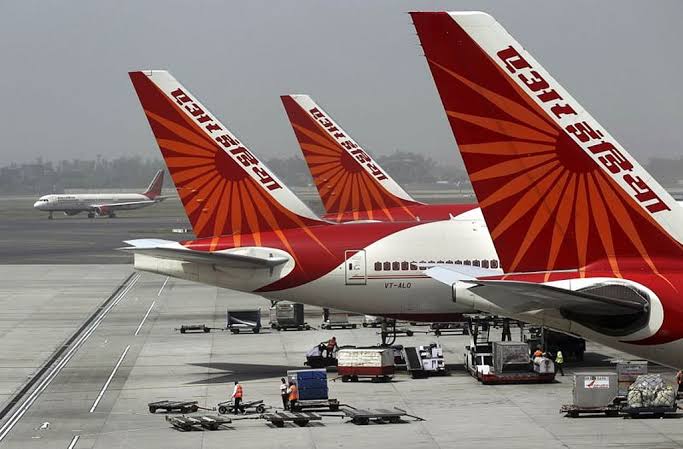
Air India announced full cooperation with the Aircraft Accident Investigation Bureau and commenced voluntary substance screening for 100% of its pilot roster. The unprecedented measure follows an August 4 Phuket-Delhi mid-air altitude drop that injured 24 occupants, prompting federal inquiries and the de-rostering of the operating cockpit crew.
NEW DELHI — Air India confirmed on Friday that it continues to extend full cooperation to the Aircraft Accident Investigation Bureau (AAIB) while rolling out voluntary testing of 100% of its pilots. The announcement by the Tata Group-backed national carrier comes amid intense regulatory scrutiny following an August 4 in-flight incident where flight AI2379, operating from Phuket to Delhi, experienced an abrupt 300-foot altitude variation that injured 24 passengers and cabin crew members.
The development marks a significant regulatory and operational milestone for Indian civil aviation, exceeding statutory minimums set by the Directorate General of Civil Aviation (DGCA) and demonstrating an aggressive institutional push to restore international passenger confidence and cockpit accountability.
Escalating Scrutiny Over the AI2379 Mid-Air Incident
The investigation stems from an emergency aboard Air India Flight AI2379 on August 4, 2026. The Airbus A320neo aircraft, registered VT-EXO, was cruising at Flight Level 360 (36,000 feet) over the Kolkata Flight Information Region when its primary hydraulic systems experienced rapid pressure fluctuations, triggering an autopilot disconnect and brief aerodynamic instability.
According to preliminary investigative findings documented by the AAIB, the aircraft pitched erratically, climbing 372 feet before abruptly plunging 292 feet within seconds. Because the seatbelt signage had been switched off during the stable cruise phase, the sudden negative vertical forces threw unbuckled passengers and working cabin crew towards the cabin ceiling, damaging overhead compartments and structural ceiling panels. At least 20 passengers and four cabin crew required emergency hospital triage upon arrival in New Delhi, with several crew members sustaining serious spinal and neck injuries.
Following standard operating protocol, the flight crew underwent post-flight substance screening at Indira Gandhi International Airport. The pilot-in-command returned a non-negative result for psychoactive substances, which subsequent confirmatory toxicology testing identified as cannabis. The civil aviation regulator immediately ordered both flight deck crew members off the operational roster pending the outcome of the statutory probe.
Full Pilot Workforce Screened Beyond Mandates
In response to the incident and subsequent preliminary findings issued by safety regulators, Air India initiated an internal protocol requiring 100% of its active flight crew to undergo substance screening.
Under current regulatory requirements formulated by the DGCA, domestic airlines are required to conduct random drug and alcohol screenings on roughly 10% of their operational pilot workforce annually. Air India’s expanded mandate covers all flight deck personnel across domestic, short-haul international, and long-haul widebody fleets. The airline has deployed testing units at its central operations training academy in Gurugram, as well as major hub bases, integrating screening alongside scheduled recurrent simulator training and post-flight debriefs.
Air India stressed in its corporate communications that the testing initiative is voluntary and self-imposed, designed to surpass baseline legal requirements and safeguard professional governance standards while federal accident investigators conclude their technical inquiries.
Sector Impact on Passengers, Airlines, and Investors
The aggressive compliance measures undertaken by Air India carry structural ramifications across commercial aviation:
Passenger Safety and Public Confidence: Widespread screening reassures domestic and international business and leisure travelers that safety oversight remains uncompromised following high-profile operational disruptions.
Airline Operational Scheduling: Undertaking 100% pilot testing across an expansive carrier involves complex crew-roster management to avoid groundings, delays, or duty-time exceedances while laboratory confirmations are processed.
Regulatory Precedent: The AAIB’s interim recommendations are widely expected to push the Ministry of Civil Aviation and the DGCA toward making blanket psychoactive screening mandatory across all Indian commercial operators, increasing compliance costs for competing budget and full-service carriers.
Tata Group Fleet Modernisation: For institutional investors and aviation stakeholders tracking the multi-billion-dollar Air India turnaround, resolving cockpit compliance lapses cleanly is critical as the group integrates Vistara and receives new Boeing and Airbus aircraft.
Official Sources
The facts, regulatory directives, and statements surrounding the investigation are drawn from:
Official Quotes
In an official public statement released regarding the ongoing investigation and internal health protocols, an Air India spokesperson stated:
"Air India continues to extend our full cooperation to the AAIB investigation. Air India has voluntarily undertaken a testing programme covering 100% of its pilots, beyond regulatory requirements, in line with our unwavering commitment to safety and professionalism. As the process is ongoing, we urge media and other stakeholders to refrain from speculation or reporting based on unverified or unsubstantiated information. Any assessment should await the completion of the process and verified facts."
Addressing the investigative process in New Delhi, Union Minister of Civil Aviation Ram Mohan Naidu stated:
"An investigation is underway by the Aircraft Accident Investigation Bureau in the Air India flight incident, and a preliminary report is expected to come out very soon. After the AAIB report comes out, the further course of action will be decided. The central government has instructed the investigative authorities to expedite the probe so that stringent rules and appropriate penalties prevent any recurrence."
Why It Matters
The airline's move from minimal statutory sampling to an exhaustive 100% pilot testing program establishes a new standard for Indian aviation safety governance. A cockpit failure involving psychoactive substance abuse presents severe operational, diplomatic, and legal risks for international carriers. By submitting its entire pilot cohort to screening while coordinating directly with the AAIB, Air India is working to protect its international route expansions and satisfy global aviation safety bodies such as the FAA and EASA.
Key Facts at a Glance
Investigation Trigger: Flight AI2379 from Phuket to Delhi suffered a 300-foot plunge on August 4, 2026, hospitalizing multiple crew and passengers.
Carrier Action: Air India announced voluntary substance testing for 100% of its pilot workforce, exceeding DGCA mandates.
Regulatory Investigation: The Aircraft Accident Investigation Bureau (AAIB) is conducting a formal safety inquiry into hydraulic dynamics and cockpit conduct.
Cockpit Action: The pilot-in-command tested non-negative for psychoactive substances post-flight and was taken off flight duties pending final legal conclusions.
Frequently Asked Questions
Why did Air India introduce 100% voluntary testing for its pilots?
Air India introduced universal pilot testing as an extraordinary safety measure after an August 4 flight from Phuket to Delhi experienced an abrupt altitude drop, and the pilot subsequently returned a non-negative test for a psychoactive substance.
What happened during Air India Flight AI2379?
On August 4, 2026, an Airbus A320neo flying from Phuket to Delhi encountered sudden hydraulic variations that temporarily disengaged the autopilot, causing the aircraft to pitch upward 372 feet before dropping nearly 300 feet, injuring 24 occupants.
What is the role of the AAIB in this incident?
The Aircraft Accident Investigation Bureau is the statutory body under the Ministry of Civil Aviation responsible for investigating serious civil aviation incidents and accidents in India, determining root causes, and issuing safety directives.
Does Indian aviation law require testing 100% of pilots?
No. Current DGCA regulations only mandate random testing for a specified percentage of flight crew. Air India’s universal testing initiative is a voluntary company measure that goes beyond statutory minimum requirements.
Source: Official statements from Air India, preliminary investigative filings by the Aircraft Accident Investigation Bureau (AAIB), and press releases by the Ministry of Civil Aviation.