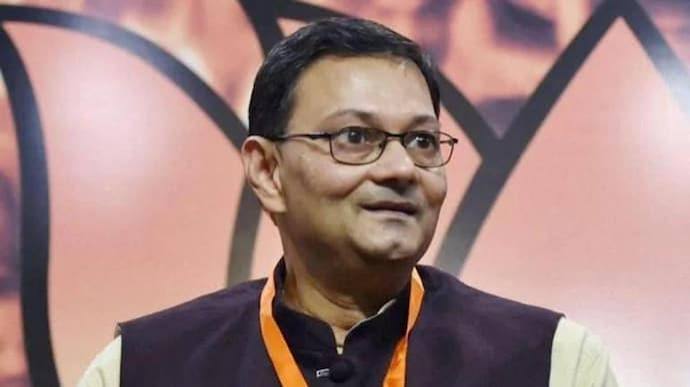
Chandra Kumar Bose, grandnephew of Netaji Subhas Chandra Bose, announced plans to form the 'Azad Hind Party,' a new political entity inspired by Gen Z youth movements. Aiming to revive Netaji’s inclusive nationalist ideology, the party focuses on youth empowerment, secular governance, and social integration across West Bengal and India.
KOLKATA — Political leader Chandra Kumar Bose, the grandnephew of freedom fighter Netaji Subhas Chandra Bose, announced plans to establish a new political outfit tentatively named the "Azad Hind Party." Speaking to public forums and political observers in Kolkata, Bose revealed that the political initiative is heavily inspired by youth-led Gen Z socio-political movements across Asia and aims to provide an alternative platform rooted in inclusive secularism, youth empowerment, and socio-economic integration.
Bose, who previously served as the state vice-president of the Bharatiya Janata Party (BJP) in West Bengal before resigning over ideological differences regarding the party's inclusive mandate, stated that established political parties have failed to address core youth aspirations. The proposed Azad Hind Party seeks to channel the energy of Gen Z students, young professionals, and grassroots activists toward clean governance and constitutional secularism.
Ideological Blueprint: Reviving Netaji’s Azad Hind Vision
The core ethos of the proposed Azad Hind Party draws directly from the historical Azad Hind Fauj (Indian National Army) established by Netaji Subhas Chandra Bose. The initiative emphasizes unifying communities across religious, linguistic, and regional lines.
According to Bose, modern political narratives in India have become increasingly polarized. The new party's platform will focus on key structural pillars:
Secular and Inclusive Nationalism: Rejecting communal division in favor of Netaji’s principles of equal representation and collective unity.
Gen Z and Youth Leadership: Positioning young leaders, technology-driven organizers, and university students at the core of policy formulation and executive decision-making.
Economic Development & Employment: Advocating for sustainable job creation, vocational training, and industrialization in West Bengal and eastern India.
Political Context and West Bengal Electoral Landscape
The announcement comes at a crucial juncture in West Bengal's political landscape, where the ruling All India Trinamool Congress (TMC) and the opposition Bharatiya Janata Party (BJP) remain the primary dominant forces. Political analysts view Bose's move as an effort to tap into a growing segment of undecided young voters who seek alternatives to traditional party structures.
Bose noted that discussions are underway with civil society groups, student associations, retired armed forces personnel, and youth representatives to finalize the party's constitution, flag, and organizational charter. The team plans to submit formal registration documents to the Election Commission of India (ECI) once organizational committees are established across districts in West Bengal.
| Parameter | Details |
| Key Promoter | Chandra Kumar Bose (Grandnephew of Netaji Subhas Chandra Bose) |
| Proposed Name | Azad Hind Party |
| Target Audience | Gen Z, youth, civil society activists, and independent voters |
| Regulatory Status | Pre-registration organizational phase prior to ECI filing |
Impact on Youth Movements and Electoral Politics
The proposed creation of a youth-inspired political party highlights the growing influence of Gen Z in political mobilization across South Asia. If successfully registered, the Azad Hind Party could serve as a platform for political candidates who prioritize merit-based governance, digital innovation, and social equity over dynastic or polarized politics.
However, political strategists emphasize that building a grassroots organizational network across West Bengal’s rural and urban constituencies will present a significant operational challenge for the nascent party as it prepares to compete against well-funded regional and national political machinery.
Official Sources Section
Statements regarding the formation of the new political platform were issued directly through public media briefings and announcements by the party's organizers:
Promoter Disclosures: Official public briefings and press interactions conducted by Chandra Kumar Bose in Kolkata.
Statutory Body Rules: Registration and recognition guidelines governed by the Election Commission of India (ECI).
Quote Section
"According to statements made during public interactions, Chandra Kumar Bose stated that the Azad Hind Party will be driven by the principles of Netaji Subhas Chandra Bose and powered by the energy of Gen Z, creating a political movement that places youth, secularism, and real economic opportunities at the forefront."
Why It Matters
The formation of the Azad Hind Party represents an effort to translate historic Indian nationalist ideals into modern youth-driven political action. As Gen Z voters make up an expanding portion of the electorate, political parties focused on clean governance, secular unity, and employment generation could reshape political discourse in West Bengal and beyond.
Key Facts at a Glance
New Initiative: Chandra Kumar Bose plans to launch the 'Azad Hind Party' inspired by Gen Z political activity.
Core Philosophy: Grounded in Netaji Subhas Chandra Bose's vision of inclusive, secular, and unified nationalism.
Key Focus Areas: Youth employment, educational reform, constitutional secularism, and transparent governance.
Next Steps: Organizing district-level committees prior to formal registration with the Election Commission of India.
FAQ Section
Who is Chandra Kumar Bose?
Chandra Kumar Bose is the grandnephew of freedom fighter Netaji Subhas Chandra Bose and a socio-political leader who previously served as the state vice-president of the BJP in West Bengal.
What is the core objective of the proposed Azad Hind Party?
The party aims to create a youth-led political platform inspired by Netaji's principles of secular unity, social equity, and economic opportunities for Gen Z.
Has the Azad Hind Party been officially registered with the Election Commission?
The initiative is currently in its organizational and drafting phase, with formal registration paperwork to be submitted to the Election Commission of India following district committee formation.
Source: Media briefings by Chandra Kumar Bose and statutory guidelines from the Election Commission of India.