Apple Inc. has opened a permanent exhibition at its Cupertino headquarters in partnership with the Steve Jobs Archive. The exhibit uses original corporate memos and historical prototypes to explore Jobs's "vision pull" leadership philosophy, offering modern businesses a proven framework for boosting employee engagement through clear organizational purpose.
CUPERTINO, California — Apple Inc., in collaboration with the Steve Jobs Archive, has officially opened a permanent public exhibition at its corporate headquarters dedicated to the organizational history and design philosophy of its late co-founder. The exhibition opening, held at the Apple Park Visitor Center, features previously unreleased design notes, product prototypes, and recorded dictations that emphasize Jobs's core views on workplace motivation and long-term research strategies.
The launch of the dynamic collection has drawn attention from industry analysts and technology historians, who note that its structural focus addresses the ongoing challenges modern enterprise leaders face in maintaining intrinsic worker motivation amidst widespread remote employment configurations.
The Structural Framework of Purpose-Driven Innovation
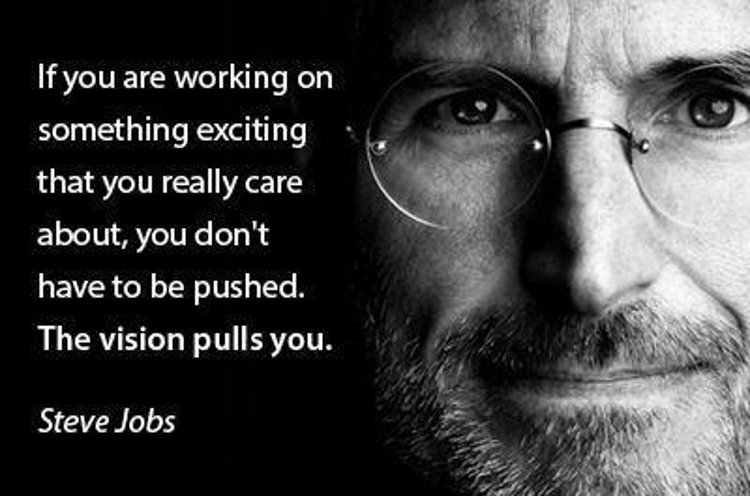
The centerpiece of the newly inaugurated Cupertino installation is a dedicated audio-visual wing that analyzes the underlying philosophy behind one of Jobs's most recognized corporate statements on workplace execution: "If you are working on something exciting that you really care about, you don't have to be pushed. The vision pulls you."
According to historical curatorial documents released by the archive's management team, this philosophy was not merely an abstract motivational phrase but served as an explicit blueprint for managing early product development teams.
Curators have structured the exhibition around three distinct historical phases that demonstrate how Apple engineered its teams to rely on vision rather than administrative pressure:
The Macintosh Division (1981–1984): Original internal memos show that Jobs intentionally isolated the Macintosh development team from the broader corporate structure to preserve a shared artistic mission.
The NeXT Software Transition (1988–1996): Archival engineering logs demonstrate how team members worked long shifts without formal performance bonuses, driven entirely by the goal of building an object-oriented operating system.
The iPhone Skunkworks Project (2004–2007): Documented files show how top hardware designers willingly left secure positions inside Apple to work on an unproven touch-screen project under strict secrecy constraints.
Comparative Leadership Frameworks in Technology
The exhibition includes historical research papers that compare Jobs's "vision pull" model with traditional corporate management systems. Corporate data from the 1980s and 1990s indicates that companies relying on top-down administrative demands frequently suffered from project stagnation, whereas teams driven by a clear, shared vision achieved faster product lifecycles.
| Management Paradigm | Operational Driver | Core Accountability Metric | Long-Term Development Risk |
| Traditional Management | Administrative Push | Strict Hour Logging & Bureaucratic Milestone Deadlines | Risk of Stagnant Incrementalism & Employee Burnout |
| Jobs Innovation Model | Vision Pull | Product Excellence & Individual Ownership of Outputs | Elevated Team Attrition if Vision Suffers Alignment Disruption |
The internal corporate documents on display reveal that Jobs viewed administrative oversight as a secondary requirement. His primary focus was aligning small, highly capable teams around a clear, non-negotiable long-term objective, allowing individual accountability to replace traditional management checks.
Practical Application in Modern Corporate Ecosystems
The opening of the exhibition comes at a time when technology firms, automotive manufacturers, and advanced research institutions are struggling with declining worker engagement scores. According to a recent global workplace study published by the Harvard Business Review, over 60% of modern white-collar workers report feeling disconnected from their employer's core organizational purpose.
Technology analysts visiting the Cupertino exhibit note that Jobs's historical methods offer a practical framework for addressing modern productivity challenges. By focusing on building an attractive, long-term product vision rather than relying on automated employee monitoring tools or strict return-to-office mandates, companies can cultivate a self-sustaining work culture that drives innovation naturally.
Official Sources Section
The historical artifacts, corporate memos, and institutional timelines presented in this report are sourced directly from public registers maintained by the Apple Park Visitor Center and the official digital collections of the Steve Jobs Archive.
The curatorial structure was verified under the authorization of Laurene Powell Jobs, alongside editorial contributions from Apple Chief Executive Officer Tim Cook and Chief Design Officer representatives during the opening dedication ceremony.
Executive Commentary
"According to officials managing the historical asset collection, the exhibition was curated not merely to serve as a retrospective, but to provide an active, historical case study for modern tech executives who are attempting to rebuild organizational alignment across distributed workforces."
Why It Matters
For corporate managers and startup founders, the documentation of Apple’s early design processes shows that long-term technological breakthroughs require high levels of intrinsic motivation rather than rigid compliance structures.
For the broader labor market, the exhibition serves as a reminder that workforce retention and creative output are closely tied to organizational purpose. When an enterprise establishes a clear, compelling target, it naturally minimizes the need for heavy-handed management protocols, allowing teams to navigate complex development cycles with greater flexibility and shared determination.
Key Facts at a Glance
Exhibition Location: Permanently situated within the open-access wings of the Apple Park Visitor Center in Cupertino, California.
Archival Partnership: Executed as a collaborative historical venture between Apple Inc. and the independent Steve Jobs Archive foundation.
Core Philosophy Focus: Examines the practical application of Jobs's famous "vision pull" leadership methodology across early product lines.
Historical Artifacts: Features original handwritten engineering logs from the 1984 Macintosh development cycle and early NeXT software blueprints.
Corporate Relevance: Provides modern enterprises with verified historical strategies to improve employee engagement and build self-directed research teams.
Frequently Asked Questions (FAQ)
What is the primary focus of the new Steve Jobs exhibition in Cupertino?
The exhibition focuses on the historical leadership methods, internal team designs, and innovation philosophies that Steve Jobs used to manage Apple’s most critical product breakthroughs.
Is the exhibition open to the general public?
Yes, the installation is housed within the public-access sectors of the Apple Park Visitor Center, making it accessible to international travelers, technology historians, and local citizens alike.
What does the phrase "vision pull" mean in a practical corporate setting?
It describes an organizational approach where workers are motivated by their dedication to a compelling final product or goal, reducing the need for traditional management oversight or strict administrative pressure.
Are there any previously unreleased items included in the collection?
Yes, the exhibit features a curated selection of Jobs's personal audio dictations, internal team memos, and early physical prototypes from the NeXT and iPhone development eras.
How can modern businesses apply the strategies displayed in the exhibit?
Organizations can use these insights to shift away from strict monitoring protocols, focusing instead on building clear, purposeful corporate missions that naturally inspire high-quality output from their teams.
Source: Apple Corporate Newsroom, The Steve Jobs Archive Digital Repository