The upcoming Asia Day Ahead market session faces extreme pressure as U.S.-Iran military exchanges disrupt the Strait of Hormuz, shattering a recent ceasefire. Simultaneously, investors await crucial Japan retail sales data, which will guide Bank of Japan interest rate decisions amid a volatile global energy and economic landscape.
SINGAPORE — Asian equity and energy markets face sharp volatility for the Asia Day Ahead session on June 29, 2026, as a dramatic breakdown in the U.S.-Iran ceasefire collides with highly anticipated economic indicators from Japan. Market participants are bracing for dual pressures: severe geopolitical supply-chain disruption in West Asia and critical domestic data reflecting consumer health in the world’s fourth-largest economy.
Early on Sunday, June 28, U.S. and Iranian forces traded heavy military strikes along the Strait of Hormuz, directly threatening a fragile interim ceasefire signed less than two weeks prior. Simultaneously, international investors are adjusting portfolios ahead of Japan retail sales figures, which are widely viewed as a definitive signal for the Bank of Japan's near-term interest rate trajectory.
Geopolitical Instability Rocks Energy Supply Chains
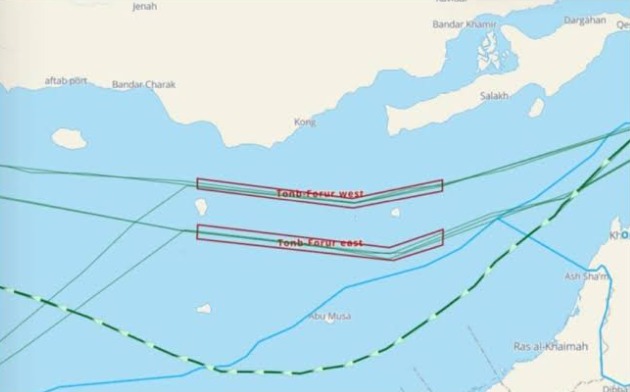
The volatile situation in West Asia took a sharp turn for the worse over the weekend. According to statements released by U.S. Central Command (CENTCOM), American forces launched precision airstrikes against 10 Iranian military targets, including drone storage facilities and coastal radar installations on Qeshm Island, Bandar-e Lengeh, and Sirik. CENTCOM stated the action was a direct response to an Iranian drone attack targeting the Panama-flagged oil tanker Kiku, which was attempting to bypass Iran-regulated channels via an alternative maritime route along the Omani coastline.
Iran's Revolutionary Guard Corps (IRGC) immediately retaliated by launching targeted missile and drone strikes against U.S. military installations situated in Kuwait and Bahrain, triggering widespread air defense responses. The sudden escalation severely compromises the Islamabad Memorandum of Understanding—an interim truce signed on June 17, 2026, intended to halt the four-month conflict that began in February.
The Strait of Hormuz remains the single most critical global energy chokepoint, facilitating the passage of approximately 20% of the world's total liquefied natural gas (LNG) and petroleum consumption. Analysts warn that the reignition of conflict will immediately add a steep risk premium to Brent Crude and West Texas Intermediate (WTI) futures at the Monday market open.
Japan Retail Sales to Gauge Bank of Japan Policy Pressure
Compounding the geopolitical anxiety, the upcoming release of Japan retail sales statistics will dominate regional equity sentiment. Economists project that the Ministry of Economy, Trade and Industry (METI) data will showcase whether private consumption is strong enough to absorb the rising costs of imported goods driven by a historically volatile yen.
The consumption metrics carry massive weight for investors tracking the Bank of Japan (BOJ). Signs of an accelerating retail sector would embolden hawkish policymakers who advocate for accelerated interest rate hikes. Conversely, an unexpected contraction in consumer spending would underline domestic economic fragility, potentially trapping the central bank in a dovish monetary policy holding pattern.
The combination of regional monetary uncertainty and surging oil import costs is expected to test the resilience of Tokyo’s Nikkei 225 index during early trading blocks.
Official Sources Section
Official statements regarding the escalating maritime conflict were cross-verified via formal releases from the United States Department of Defense, statements carried by Iran's state-run Press TV, and emergency alerts issued by the Bahraini Ministry of Interior and the Kuwaiti Armed Forces. Economic parameters regarding the Asia Day Ahead market triggers are compiled from historical data and scheduled data calendars maintained by the Ministry of Economy, Trade and Industry of Japan.
Quotes Section
Expressing severe concern over the breakdown of the interim truce, the IRGC Navy Command stated via state media:
"The hostile actions of the United States have directly violated the signed ceasefire agreement and will result in the complete halt of all ongoing diplomatic processes."
Concurrently, writing on social platforms regarding the strategic necessity of the military maneuvers, U.S. President Donald Trump warned:
"The United States struck Iranian missile and drone storage locations... we will be forced to militarily complete the job if necessary."
Why It Matters
The confluence of military conflict and economic data directly impacts multinational corporations, institutional investors, and regional consumers. For energy markets, shipping lines, and commercial logistics firms, a closed or heavily contested Strait of Hormuz forces expensive rerouting protocols around Africa, swelling freight insurance premiums and delaying deliveries. For regular consumers, these escalating supply costs, paired with shifting central bank policies in Japan, threaten to trigger localized inflation and reduce household purchasing power across major Asian hubs.
Key Facts at a Glance
Geopolitical Escalation: U.S. forces struck 10 military targets across Iran following a drone attack on a commercial tanker; Iran responded by striking U.S. assets in Kuwait and Bahrain.
Trade Vulnerability: The conflict places the Strait of Hormuz—the transit corridor for a fifth of global petroleum supply—back into a state of high tactical friction.
Economic Watch: Japan retail sales figures arrive as a crucial indicator to dictate whether the Bank of Japan proceeds with near-term interest rate hikes.
Diplomatic Jeopardy: The weekend military actions severely compromise the Pakistan-brokered Islamabad MoU signed just 12 days prior.
FAQ Section
Q: Why are Japan retail sales figures important to global macro investors?
A: They serve as the core pulse of consumer demand in Japan. If sales beat expectations, it increases the likelihood that the Bank of Japan will raise interest rates, driving capital flows and shifting currency valuations for the Yen.
Q: What is the significance of the Strait of Hormuz to Asian economies?
A: Major industrial economies across Asia, including China, Japan, South Korea, and India, rely heavily on the strait for unhindered crude oil imports sourced from Arab Gulf suppliers.
Q: Did the U.S.-Iran ceasefire officially end over the weekend?
A: While neither side has formally dissolved the Islamabad MoU, the IRGC explicitly stated that ongoing diplomatic channels are halted due to the reciprocal military strikes on June 28.
Source: U.S. Central Command Media Desk, Iran Ministry of Foreign Affairs Press Statements, Ministry of Economy, Trade and Industry (METI) Japan, Bahrain Interior Ministry Updates, Reuters Market Data Systems.