India has initiated the development of the Bharat Train Control System (BTCS), an open-source signalling protocol designed specifically for native operational environments. The move supports the nation’s 7,000-km high-speed rail expansion, reduces capital expenditure, fosters domestic engineering ecosystems, and establishes an exportable technology standard for global markets.
India Develops Native Control Protocol for High-Speed Network
In a major strategic pivot for national infrastructure, the Ministry of Railways has confirmed the development of the Bharat Train Control System (BTCS). The new protocol will serve as the operational backbone for India's 7,000-km bullet rail plan, ensuring complete technical self-reliance across future corridors.
The design framework builds upon operational insights gained during the construction of the 508-kilometer Mumbai–Ahmedabad High Speed Rail (MAHSR) corridor. While initial sections of the MAHSR project rely on European Train Control System (ETCS) Level 2 architecture, future trunk lines will transition to the standardized, open-source BTCS platform.
The initiative aligns with the Ministry's broader objective to standardize track geometry, power distribution, and digital signalling across all seven proposed high-speed corridors, representing a cumulative capital investment estimated at ₹16 lakh crore.
Technical Architecture and Strategic Advantages
The development of BTCS addresses the specific environmental and operational challenges of the Indian subcontinent. Unlike European or East Asian signal systems optimized for temperate climates, the Indian protocol is engineered to perform reliably amid extreme ambient temperatures and high dust concentrations.
By leveraging open-source software and modular hardware components, the system reduces life-cycle maintenance costs and enables competitive bidding among domestic equipment manufacturers. Route plans and design approvals for the expanded high-speed network are scheduled for finalization by mid-2027.
Broader Ecosystem and Domestic Rolling Stock Integration
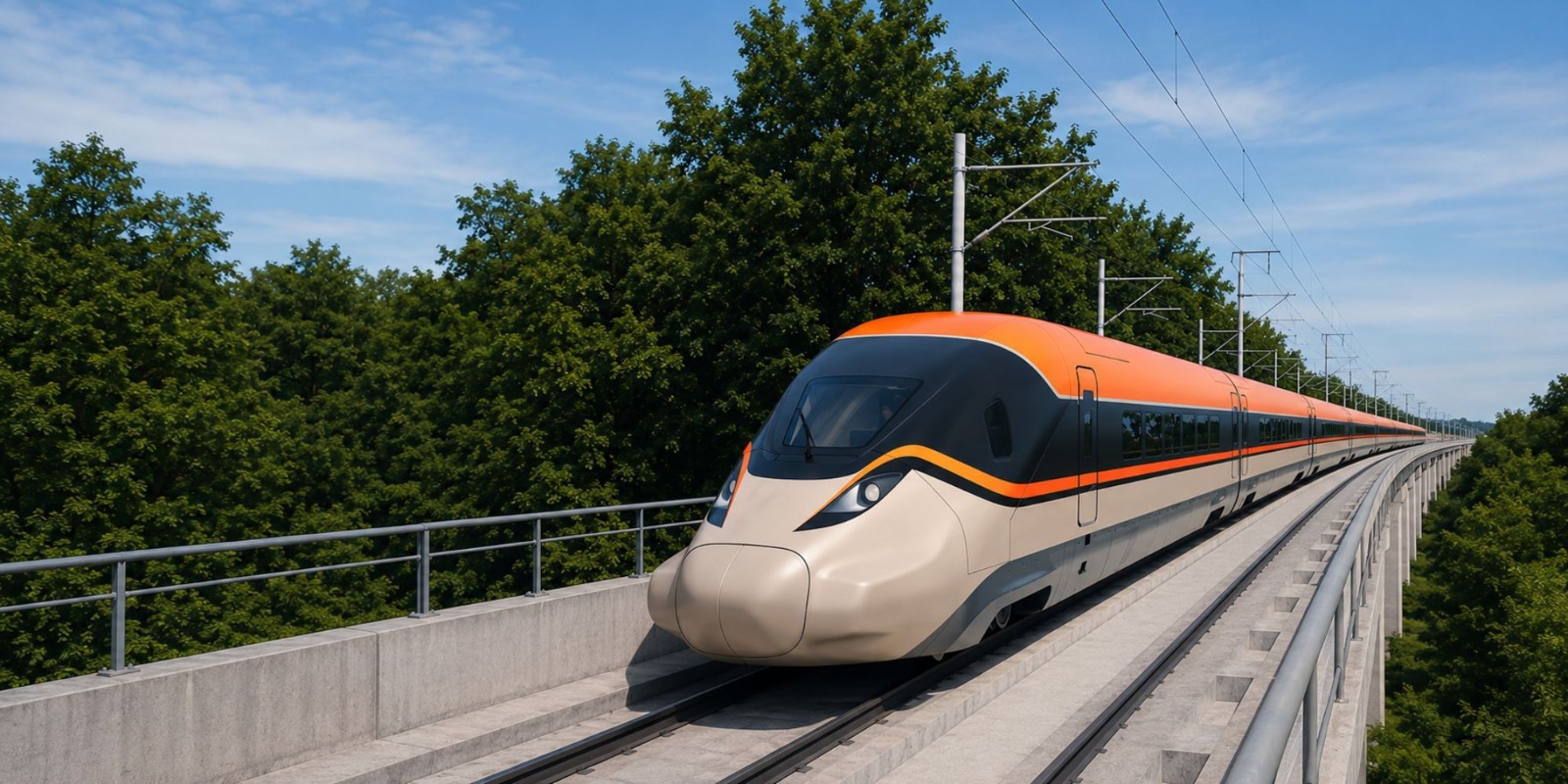
The signalling initiative coincides with domestic manufacturing advances in rolling stock. The Integral Coach Factory (ICF) in Chennai, alongside public sector manufacturer BEML Limited, is producing indigenous high-speed trainsets (codenamed B-28) capable of operational speeds up to 280 km/h, with future iterations targeted at 350 km/h.
Civil works on the initial 97-km Surat–Vapi section of the Mumbai–Ahmedabad route are concluding, setting the stage for commercial service trials. The inclusion of BTCS into India's 7,000-km bullet rail plan will allow seamless interoperability as secondary corridors including Delhi–Varanasi, Mumbai–Nagpur, and Chennai–Mysuru come online.
Official Sources Section
Official updates regarding the high-speed rail rollout and signalling specifications are released by statutory authorities and government ministries:
Quote Section
"According to officials from the Ministry of Railways, the Bharat Train Control System will be open-source, cost-effective, and tailored to the requirements of rapid and safe deployment across the country. Once fully validated, the technology stack can also be offered to international markets, providing a significant boost to domestic railway equipment suppliers."
Why It Matters
The rollout of a standardized, homegrown control system holds direct practical implications for multiple stakeholders:
For Citizens and Travelers: Enables higher operational frequency, enhanced automated safety parameters, and reduced travel times between major economic hubs.
For Domestic Industry: Opens supply opportunities for Indian technology integrators, telecom providers, and hardware manufacturers, creating specialized engineering jobs.
For Fiscal Management: Significantly lowers overall capital deployment costs for India's 7,000-km bullet rail plan by eliminating high licensing fees associated with foreign proprietary signalling systems.
For International Markets: Positions India as an exporter of high-speed rail control technologies for developing economies seeking cost-effective transit infrastructure.
Key Facts at a Glance
Protocol Name: Bharat Train Control System (BTCS), an indigenous, open-source high-speed rail signalling platform.
Network Scope: Designed to support India's 7,000-km bullet rail plan across seven major industrial and regional transit corridors.
Operational Targets: Engineered to support design speeds up to 350 km/h under local environmental conditions.
Manufacturing Synergy: Works alongside Made-in-India B-28 high-speed trainsets being produced by ICF and BEML.
Target Timeline: Final route design approvals expected by mid-2027, aligning with initial corridor trial phases.
Frequently Asked Questions (FAQ)
What is the Bharat Train Control System (BTCS)?
BTCS is an indigenously developed, open-source signalling protocol designed by Indian Railways specifically for high-speed rail networks operating up to 350 km/h.
Why is India developing its own high-speed signalling system?
Developing a native platform reduces reliance on foreign proprietary systems, lowers procurement and maintenance costs, withstands local climatic conditions, and fosters a domestic railway manufacturing ecosystem.
How does BTCS relate to India's 7,000-km bullet rail plan?
BTCS will serve as the standardized signal control architecture for future corridors within India's 7,000-km bullet rail plan, ensuring seamless interoperability across lines.
When will the first high-speed rail line become operational?
Commercial operations on the initial Surat–Vapi section of the Mumbai–Ahmedabad High Speed Rail corridor are targeted to commence around 2027.
Source: Official releases from the Ministry of Railways, National High Speed Rail Corporation Ltd (NHSRCL), and Press Information Bureau (PIB).