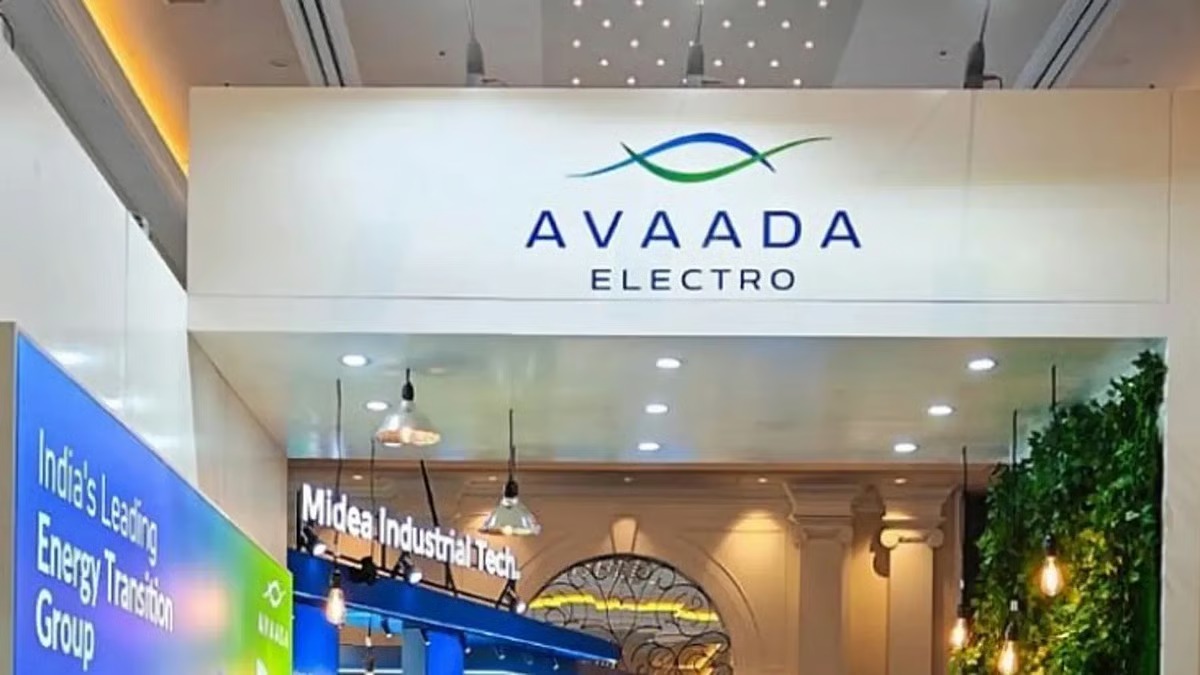
Avaada Electro has officially operationalized the first phase of its advanced 3 GW solar cell production facility in Nagpur, Maharashtra. Utilizing high-efficiency N-Type TOPCon technology, the factory marks a key milestone in scaling India’s domestic green energy supply chain and minimizing international solar component dependencies.
NAGPUR, INDIA — Renewable energy manufacturing pioneer Avaada Electro Limited has officially operationalized the first 3 GW production phase at its advanced solar cell production facility in Butibori, Nagpur. The deployment marks a major breakthrough for India's clean energy sector as the nation aggressively targets net-zero carbon emissions by 2070 while shielding local energy grids from volatile international technology markets. This milestone expands the domestic output of high-efficiency solar technologies, accelerating commercial project rollouts across the region.
Advanced TOPCon Technology Drives High Efficiency
According to regulatory updates and project engineers, the newly activated production line leverages next-generation Tunnel Oxide Passivated Contact (N-Type TOPCon) technology. This architectural design enables the cells to achieve individual performance efficiencies of up to 25.5% under standard testing environments. The integration of 16-busbar and 18-busbar architectures ensures lower electrical resistance, minimizing internal energy loss while maximizing structural power density.
The Butibori facility is designed to scale up to a total output capacity of 6 GW, making it one of the largest single-site solar cell manufacturing ecosystems across India. Prior to this localized launch, downstream module manufacturers across the subcontinent relied extensively on imported photovoltaic cells, primarily sourced from East Asian suppliers. By localizing cell fabrication, the Avaada Electro 3 GW solar cell production facility acts as a key stabilization factor for domestic solar developers facing international trade friction and logistics inflation.
Integrated Supply Chain Scaling and Strategic Positioning
The implementation of the Avaada Electro 3 GW solar cell production facility aligns with a broader vertical integration push by the parent conglomerate, Avaada Group. In addition to its newly established cell capacity in Maharashtra, the enterprise currently manages 8.5 GW of operational N-Type TOPCon glass-to-glass solar module capacity, spanning manufacturing zones in both Nagpur and Dadri. Industrial expansion roadmaps indicate plans to add another 5.1 GW of module capacity, targeting a consolidated volume of 13.6 GW by the conclusion of the upcoming fiscal cycles.
To complete its internal raw material ecosystem, the company is securing necessary land parcels to launch a parallel 3 GW ingot and wafer manufacturing factory in Nagpur. This step-by-step backward integration ensures full quality control over the engineering timeline, transitioning raw polysilicon into specialized wafers, functional cells, and fully completed commercial solar arrays within a centralized domestic loop.
Broad Structural Economic Impact
The operation of the Avaada Electro 3 GW solar cell production facility extends economic benefits across multiple sectors:
Grid Operators and Utilities: Access to high-efficiency, multi-busbar modules allows power distribution companies (DISCOMs) to purchase localized utility-scale technology that minimizes land footprints while maximizing total megawatt yields.
Commercial and Industrial (C&I) Consumers: Heavy industries, logistics hubs, and manufacturing conglomerates can optimize project payback timelines using high-reliability, zero-defect modules integrated with AI-automated factory validation.
Employment and Development: The factory currently maintains a workforce of approximately 3,200 specialized workers at the Nagpur site, bringing high-tech engineering, safety oversight, and logistics management roles to the Vidarbha economic corridor.
Official Sources Section
Regulatory filings and project updates issued via the Avaada Group Official Portal confirm that the operational phase was achieved following rigorous cleanroom machine calibrations and initial test batch validations. Financial disclosures outline that the integrated site infrastructure has utilized targeted private equity injections alongside structured credit facilities arranged with international development banks to support heavy equipment procurement.
Executive Commentary
"With the establishment of our 6 GW solar cell factory at Butibori in Nagpur, Avaada is actively contributing towards India's green industrial age and complete technology independence," stated Vineet Mittal, Chairman and Whole-Time Director of Avaada Electro Limited. "This facility is our definitive pledge to the nation – a localized manufacturing ecosystem engineered to minimise foreign import dependencies in an era of de-globalization, accelerate our economic trajectory, and position India at the absolute vanguard of the global energy transition."
Why It Matters
Global solar markets remain highly vulnerable to supply bottlenecks, sudden customs tariff revisions, and shipping constraints. Localizing advanced solar cell production facility output inside India creates an immediate shield for domestic infrastructure projects against overseas market shocks. By establishing high-efficiency N-Type TOPCon production internally, domestic engineering companies can design utility-scale grids without risking delays from foreign supply chains.
Key Facts at a Glance
Initial Output Stage: 3 GW operational capacity utilizing an integrated multi-busbar architecture line.
Technological Specifications: N-Type TOPCon configuration delivering peak cell efficiency benchmarks up to 25.5%.
Geographic Focus: Headquartered inside the Additional Butibori Industrial Area, managed under the Maharashtra Industrial Development Corporation (MIDC) frameworks in Nagpur.
Conglomerate Targets: Expanding parallel module capacities up to 13.6 GW while introducing internal ingot, wafer, and specialized solar glass casting units.
Frequently Asked Questions (FAQ)
What is the significance of N-Type TOPCon technology at this facility?
N-Type TOPCon (Tunnel Oxide Passivated Contact) architecture represents a significant advancement over legacy p-type cells. It provides higher light-conversion efficiency, lower degradation rates over decades of exposure, and superior energy generation under hot climatic conditions.
How does this impact the reliance on solar components imported from overseas?
Historically, standard Indian manufacturing plants imported the individual solar cells from abroad before assembling them into final modules. The Avaada Electro 3 GW solar cell production facility shifts structural fabrication onto domestic soil, cutting down on long-distance maritime shipping fees and customs risks.
Where is the plant situated, and what are the long-term expansion plans?
The facility is situated in the Butibori industrial hub of Nagpur, Maharashtra. Future integration roadmaps involve expanding the cell capacity to 6 GW, adding a 3 GW wafer and ingot foundry, and constructing a dedicated production plant to process regional sand into high-transparency solar glass.
Sources: Statements and operational disclosures issued by Avaada Electro Limited corporate media relations; project site construction filings from the Maharashtra Industrial Development Corporation (MIDC) data desk.