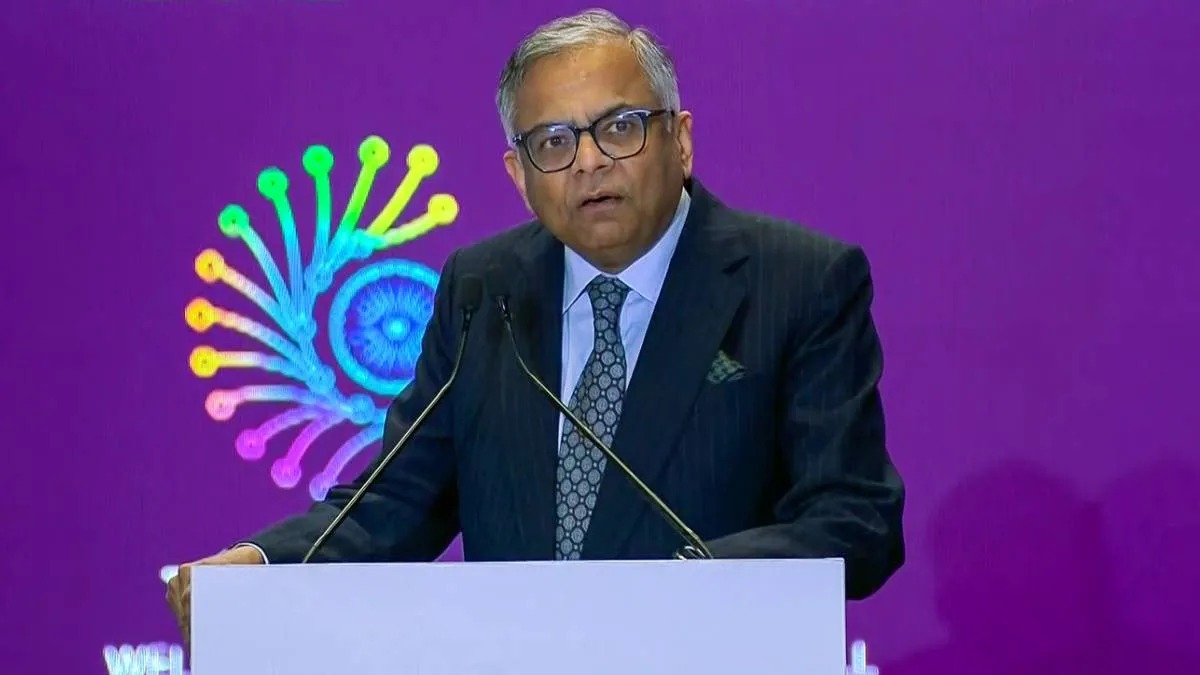
Outgoing Tata Sons Chairman Natarajan Chandrasekaran revealed that controlling philanthropic arm Tata Trusts had unanimously recommended extending his term for five years, highlighting a divergence between the primary owners and broader board consensus during leadership transition discussions.
Tata Sons Chairman Natarajan Chandrasekaran revealed that controlling philanthropic arm Tata Trusts had unanimously recommended extending his term for five years.
Unanimous Support from Controlling Shareholder
MUMBAI — In a notable twist following leadership continuity discussions at India's largest conglomerate, outgoing Tata Sons Chairman Natarajan Chandrasekaran stated that Tata Trusts—the controlling philanthropic arm holding a decisive majority stake in the apex holding company—had unanimously recommended extending his term as chairman for an additional five years. The disclosure sheds light on the internal dynamics surrounding executive governance at the USD 400-billion salt-to-software enterprise.
The revelation follows earlier reports regarding board-level friction concerning governance structures. While the primary philanthropic entity favored stability and continuity under Chandrasekaran's leadership, the alignment across the broader board of directors faced divergence, prompting the executive to step down rather than seek a contentious reappointment.
Governance Dynamics and Shareholding Structure
The interplay between professional management and principal shareholders remains a defining characteristic of the Tata Group. Tata Trusts, overseen by key trustees, wield ultimate controlling power over Tata Sons, making their backing a critical pillar of executive tenure.
Trusts' Mandate: The unanimous recommendation by Tata Trusts underscores strong confidence from the primary owners regarding the strategic direction pursued during Chandrasekaran's tenure.
Board Divergence: Despite backing from the controlling charity arm, the lack of complete consensus among all directors on the wider board necessitated a re-evaluation of the reappointment path.
Continuity Focus: Group operating entities, including prominent firms like Tata Consultancy Services (TCS) and Tata Motors, continue to operate under independent professional management teams unaffected by holding-level governance deliberations.
Official Sources and Regulatory Disclosures
According to official statements issued directly by Natarajan Chandrasekaran and corporate governance filings submitted to stock exchanges, the deliberations highlight the complex multi-layered decision-making framework governing legacy Indian business houses.
"According to officials, the unanimous endorsement by Tata Trusts reflects deep appreciation for the strategic transformations executed across group enterprises over recent years."
Financial market monitors and regulatory desks continue to analyze corporate disclosures filed through official channels to gauge the timeline for future leadership appointments.
Practical Impact on Investors and Market Stakeholders
The divergence between the controlling philanthropic arm and broader board alignment carries tangible implications for market participants:
For Institutional Investors: Clear disclosures regarding shareholder backing versus board dynamics provide transparency, helping institutional portfolios assess governance structures.
For Group Companies: Professional management teams across subsidiary verticals ensure stable execution of ongoing digital and green-energy transitions.
For Corporate Governance Standards: The episode serves as a case study on balancing stakeholder influence with board-level consensus in legacy holding structures.
Key Facts at a Glance
Executive in Focus: Natarajan Chandrasekaran, Chairman of Tata Sons.
Controlling Entity: Tata Trusts (philanthropic holding arm).
Trusts' Stance: Unanimously recommended a five-year term extension.
Outcome: Despite Trusts' backing, absence of full board consensus led to the decision not to seek reappointment.
Frequently Asked Questions
What did Tata Trusts recommend regarding Natarajan Chandrasekaran?
Tata Trusts unanimously recommended extending his term as Chairman of Tata Sons for an additional five years.
Why is this development significant?
It highlights the distinction between the backing of the controlling philanthropic shareholder and the broader board alignment required for executive reappointment.
How does this impact Tata Group operating companies?
Group operating companies maintain independent professional leadership, ensuring day-to-day business operations remain stable.
Where can official statements and regulatory filings be reviewed?
Official corporate announcements and filings are accessible via the Bombay Stock Exchange (BSE) and National Stock Exchange of India (NSE) portals, alongside official statements published on the Tata Group Official Website.
Source: