In an era dominated by financial influencers, viral investment hacks, and contradictory online advice, schools across Mumbai are quietly reshaping how the next generation understands money. Moving beyond textbook economics and theoretical math, institutions are integrating real-world financial li...
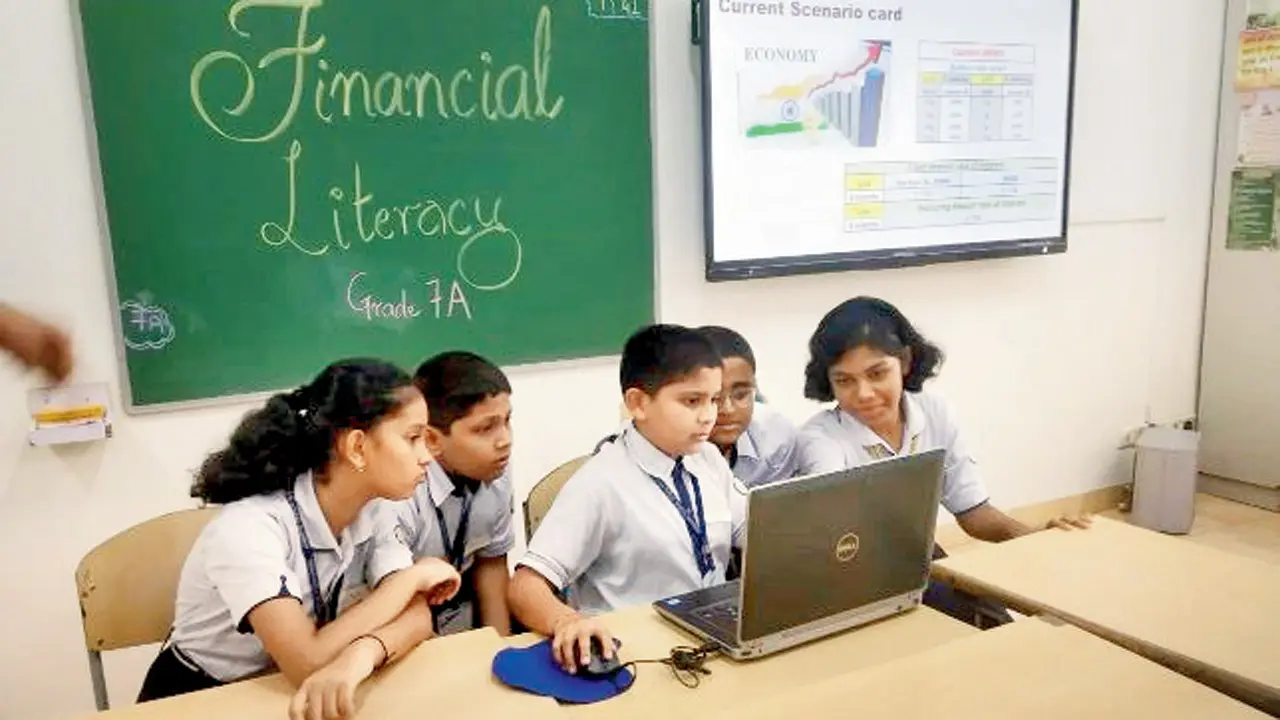
In an era dominated by financial influencers, viral investment hacks, and contradictory online advice, schools across Mumbai are quietly reshaping how the next generation understands money. Moving beyond textbook economics and theoretical math, institutions are integrating real-world financial literacy into their curriculum—arming students with practical tools to navigate personal finance, digital payments, and economic decision-making.
This shift comes amid growing concerns that young adults are entering the workforce with little understanding of budgeting, saving, or investing. Schools are now stepping in to bridge this gap, offering experiential learning that goes far beyond the classroom.
Key Highlights from the Initiative
-
Schools across Mumbai, including state board and international institutions, are introducing financial literacy modules.
-
Activities include RBI tours, mock banking setups, crowdfunding for social causes, and budgeting exercises using monopoly money.
-
Finland International School has launched a phenomenon-based learning program covering consumer math, wealth management, and economic development.
-
Students are learning about digital payments, fraud prevention, and responsible spending habits from as early as Grade 3.
Real-Life Impact on Students
Early Budgeting Awareness Reshma Poojari, a Tardeo resident, shared that her third-grade daughter now asks about the family budget before making purchases. Her older daughter has shown interest in entrepreneurship after engaging with school-led finance sessions.
Practical Banking Skills Aryan Singh, a Standard 9 student from Mumbai Public School, Pratiksha Nagar, began saving 20% of his pocket money after attending finance lectures. He now uses UPI services cautiously and understands the importance of OTP security.
Mindful Spending Laavya Poojari, a Grade 11 IBCP student, saved her pocket money to buy concert tickets, demonstrating how financial education has influenced her spending habits. She now limits discretionary expenses to once or twice a month.
Parental Involvement and Community Support
Parents are increasingly taking initiative where schools lag. Nupura Samant from Dadar encouraged her daughter to take the National Financial Literacy Assessment Test (NFLAT).
Families are involving children in household budgeting and financial planning, fostering early exposure to real-world money matters.
Curriculum Innovation and Expert Engagement
Schools are inviting hedge fund managers and financial professionals to speak with students, offering firsthand insights into wealth management and investment strategies.
The curriculum avoids promoting quick-money schemes, instead focusing on long-term financial responsibility and ethical decision-making.
Broader Educational Context
According to educators, students are highly engaged during finance lectures, often asking questions that reflect a deeper understanding of economic concepts.
The initiative is part of a larger movement to integrate life skills into academic learning, ensuring students are prepared for adulthood beyond exams and grades.
Strategic Outlook and Future Expansion
-
Scaling Across India With Mumbai leading the way, other cities are expected to adopt similar models. Schools in Pune, Bengaluru, and Delhi are reportedly exploring pilot programs.
-
Digital Integration Edtech platforms are collaborating with schools to offer gamified finance modules, simulations, and interactive budgeting tools.
-
Policy Support The National Education Policy (NEP) 2020 encourages experiential learning, and financial literacy is gaining traction as a core life skill under this framework.
Conclusion
As online financial advice grows noisier and often misleading, Mumbai’s schools are offering clarity and confidence through structured, real-world financial education. From piggy banks to UPI security, students are learning to manage money with maturity and foresight. This grassroots movement could redefine how India’s youth approach financial independence—one classroom at a time.
Source: Mid-Day Mumbai – August 3, 2025