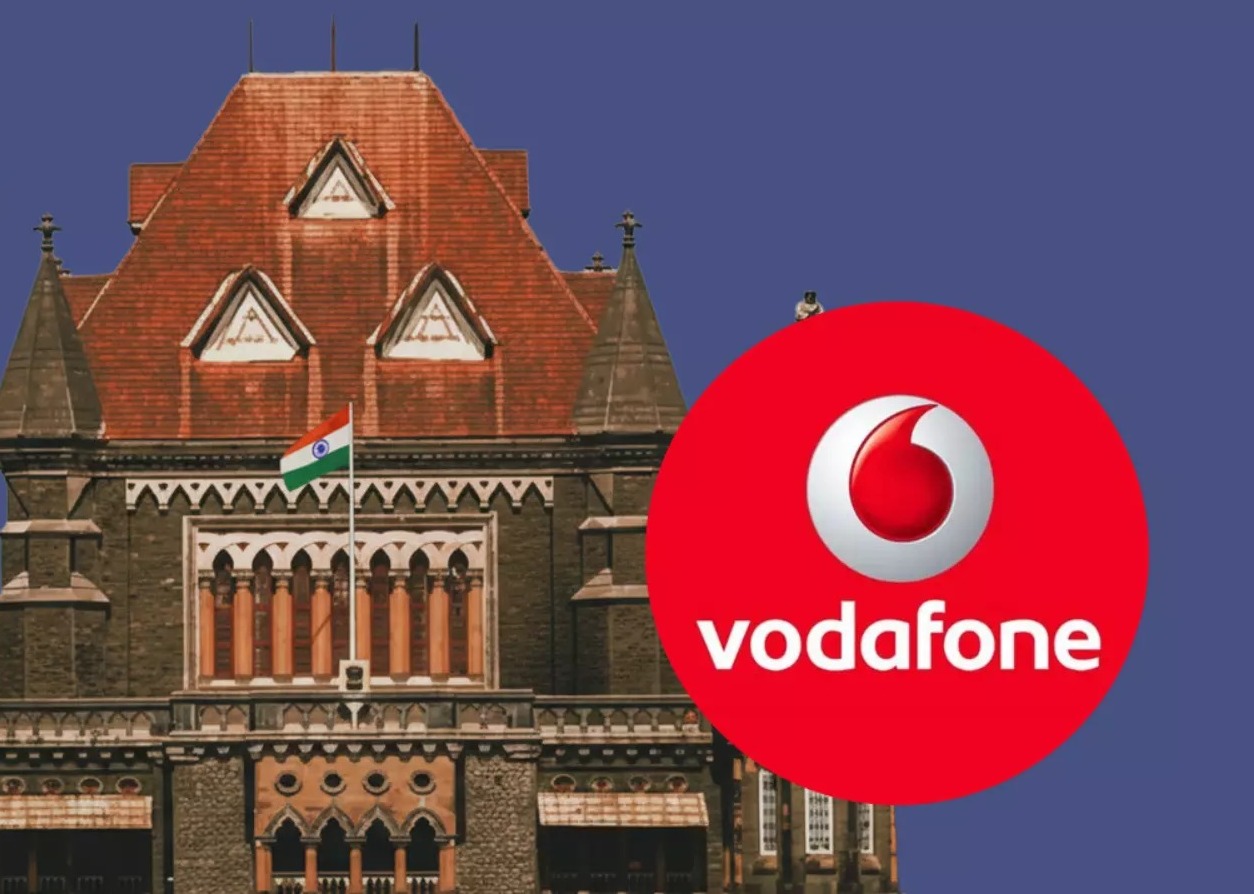
The Bombay High Court has quashed the Department of Telecommunications' retrospective One-Time Spectrum Charge demand against Vodafone Idea, clearing a 21.13 billion Rupee liability segment. The court ruled that the government lacked statutory authority to unilaterally revise license terms retroactively, and ordered the immediate return of all related bank guarantees.
MUMBAI, India — The Bombay High Court on Monday, June 8, 2026, struck down the Central government’s retrospective One-Time Spectrum Charge (OTSC) levied on Vodafone Idea Limited. The landmark verdict nullifies a financial demand from the Department of Telecommunications (DoT) that had placed a combined multi-billion rupee strain on top wireless operators, including an explicit 21.13 billion Rupee liability previously disputed within corporate debt segments.
The division bench further ordered the immediate return of all associated bank guarantees submitted by the telecom provider, dealing a severe blow to the Union government’s decade-long retrospective revenue collection strategy.
Retrospective Spectrum Levies Ruled Beyond Contractual Powers
The dispute centered on two controversial Union Cabinet decisions enacted in November and December 2012. Under those directives, the DoT sought to apply a retrospective OTSC on mobile network operators holding airwaves beyond the 6.2 MHz threshold, dating back to July 1, 2008. The pricing structure for these historical holdings was tied to highly inflated rates established during the 2012 spectrum auctions.
A division bench consisting of Justice Manish Pitale and Justice Shreeram Shirsat ruled that the executive branch lacked the statutory and contractual authority to alter long-standing license terms retroactively. According to the certified judgment published by the Bombay High Court, once telecom operators migrated to the revenue-share framework under the National Telecom Policy of 1999 (NTP-99), the financial relationship transformed into a binding contract.
The court noted that the state cannot unilaterally add massive financial burdens mid-way through a license term under a broad definition of public interest, especially when NTP-99 emphasized widespread, affordable access over pure state revenue maximization.
Release of Bank Guarantees Aids Sector Liquidity
Beyond quashing the massive financial demand notices, the bench directed the DoT to systematically release and return all active bank guarantees that Vodafone Idea had parked with the government to secure the contested allocations.
This brings immediate structural relief to Vodafone Idea's balance sheet. According to historical financial statements listed with the National Stock Exchange of India, the operator has been navigating intense cash flow constraints due to over 1.93 trillion Rupees in cumulative government obligations, consisting primarily of deferred spectrum fees and Adjusted Gross Revenue (AGR) liabilities. The release of bank guarantees frees up critical non-fund-based credit lines, improving the firm's standing with domestic commercial banking consortiums.
Structural Impact on Consumers and Investors
For equity investors, the judgment provides a substantial compliance relief window, causing an immediate stabilization in trading sentiment for telecom equities on regional exchanges. The elimination of the 21.13 billion Rupee OTSC threat removes a key litigation overhang that had previously stalled external capital-raising initiatives.
For Indian telecom consumers, the ruling helps insulate the retail market from further tariff shocks. Had the multi-billion rupee retrospective demands been upheld, operators would have faced immense pressure to increase average revenue per user (ARPU) metrics via aggressive mobile plan hikes to satisfy state debt servicing.
Official Sources Section
The details concerning the cancellation of the 2012 Cabinet decisions, the technical limits of the 6.2 MHz spectrum threshold, and the direct mandate for the return of bank guarantees are drawn from the official verdict issued by the Bombay High Court and regulatory compliance disclosures submitted by Vodafone Idea Limited to the Securities and Exchange Board of India.
Quote Section
In the formal text of the ruling, the division bench of the High Court observed:
"The Union unilaterally imposed the levy and that too, without any source of power identifiable in the terms and conditions of the contract or the relevant statutory provision. The Union has not been able to justify the said decisions and its action of levying one-time spectrum charge retrospectively upon the petitioners. As a consequence, the writ petitions deserve to be allowed."
Why It Matters
This ruling establishes a vital legal barrier against regulatory unpredictability in emerging infrastructure markets. By declaring that the state cannot retroactively alter the commercial terms of executed infrastructure licenses, the judiciary reinforces the sanctity of contracts in India. This structural safety check is essential for drawing foreign institutional investment into large-scale, long-term national utility and digital infrastructure pipelines.
Key Facts at a Glance
Core Action: Bombay High Court quashes the DoT's retrospective One-Time Spectrum Charge (OTSC) demand against Vodafone Idea.
Financial Scope: The decision strikes down historical claims, clearing an explicit 21.13 billion Rupee segment of contested regulatory liabilities.
Collateral Relief: DoT ordered to return bank guarantees back to Vodafone Idea, opening up credit availability.
Legal Rationale: The bench ruled the state has no statutory authority to unilaterally change the price of fixed telecom licenses retrospectively.
Historical Context: The quashed demands stemmed from 2012 policy changes trying to collect fees on spectrum above 6.2 MHz back to 2008.
FAQ Section
What exactly is a One-Time Spectrum Charge (OTSC)?
An OTSC is a fee introduced by the Indian government to charge telecom operators for holding "excess" radio frequencies above a specific limit (initially set at 6.2 MHz) that were originally allocated alongside their initial telecom licenses without separate auction fees.
Why did the court order the return of the bank guarantees?
Bank guarantees are financial instruments issued by banks on behalf of an airline or telecom firm to ensure they fulfill their monetary duties to the state. Because the High Court declared the underlying OTSC demand illegal, the government has no legal right to hold those financial securities, meaning they must be returned to the operator.
Does this judgment clear all of Vodafone Idea's government debts?
No. This judgment specifically tackles the retrospective OTSC case. Vodafone Idea still carries significant statutory debt obligations, including long-term deferred spectrum installments and distinct Adjusted Gross Revenue (AGR) liabilities that are governed under separate legal rulings by the Supreme Court of India.
Source: Bombay High Court Case Records, Securities and Exchange Board of India Filing Archives, Department of Telecommunications Policy Gazettes.