In a significant diplomatic move amid escalating global trade tensions, Brazilian President Luiz Inacio Lula da Silva held a comprehensive one-hour phone conversation with Chinese President Xi Jinping on August 12, 2025. The leaders reaffirmed their commitment to strengthening bilateral ties, pro...
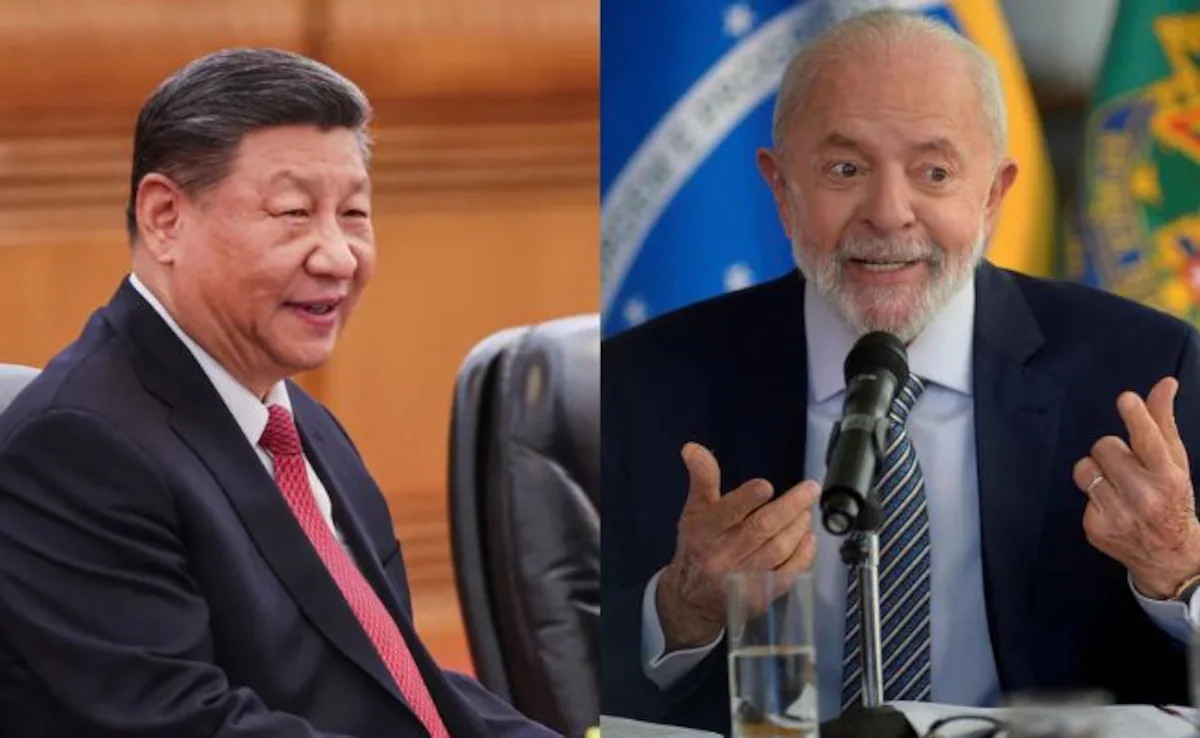
In a significant diplomatic move amid escalating global trade tensions, Brazilian President Luiz Inacio Lula da Silva held a comprehensive one-hour phone conversation with Chinese President Xi Jinping on August 12, 2025. The leaders reaffirmed their commitment to strengthening bilateral ties, promoting unity among Global South nations, and countering unilateralism and protectionism, underscoring a shared stance against the tariff pressures exerted by the United States.
Key Highlights of the Lula-Xi Dialogue:
The conversation focused on expanding Brazil-China cooperation in trade, energy, digital economy, satellite technology, and climate change initiatives.
Both leaders emphasized upholding multilateralism through forums such as the Group of 20 (G20) and BRICS, advocating a coordinated response to global challenges.
Xi Jinping highlighted that China and Brazil could set a model of “unity and self-reliance” for emerging nations, urging countries to unite against protectionism — a pointed critique of US trade policies.
Lula and Xi discussed the ongoing Russia-Ukraine conflict and climate cooperation ahead of the COP30 summit scheduled for November in Brazil.
China expressed full support for Brazil’s sovereignty and legitimate rights amid external pressures, describing the bilateral relationship as “at its best in history.”
Lula, who holds the rotating presidency of BRICS in 2025, aims to build solidarity across the bloc, which includes key members Russia, China, India, and South Africa.
The discussion followed recent US actions imposing higher tariffs on Brazilian exports, part of former President Donald Trump’s broader trade war strategy targeting Latin America’s largest economy.
Brazil seeks to diversify trade through expanded partnerships with China, India, and Southeast Asian nations as a defensive posture against US tariff pressures.
The two leaders agreed on the importance of continued cooperation to create a “fairer world and more sustainable planet,” reinforcing commitment to global South unity.
Context and Strategic Implications:
This high-level interaction reflects Brazil’s diplomatic strategy to fortify economic and geopolitical ties beyond the US sphere, particularly leveraging the BRICS platform to build consensus among emerging economies. Lula’s outreach to Xi comes after similar engagement with leaders of India and Russia, marking a concerted effort to coordinate responses to unilateral trade restrictions imposed by the US.
The reinforcement of Brazil-China ties is timely, given China’s status as Brazil’s largest trading partner with bilateral trade reaching historic highs. The two countries have deepened cooperation through infrastructure and investment agreements signed during Lula’s visit to Beijing earlier in May 2025.
Impact of US Tariffs and Global Trade Relations:
The United States recently extended a 90-day pause on tariffs against China while simultaneously imposing increased tariffs on Brazilian goods, intensifying economic pressure on Brazil. Lula’s government views these measures as unjust and damaging to Brazil’s market access and economic stability.
China’s leadership, through Xi’s remarks, articulated strong opposition to such protectionist measures, advocating for a collective stand among developing economies to uphold an open and rules-based international trade system.
Outlook and Future Collaboration Prospects:
Both leaders expressed optimism over the potential for enhanced business opportunities and deeper economic integration between their countries. They pledged to explore new avenues in sectors such as oil and gas, healthcare, and digital innovation.
With Brazil hosting the upcoming COP30 UN climate conference, Lula emphasized China’s crucial role in global climate governance. Their conversation further cemented commitments toward collaborative climate initiatives and sustainable development goals.
In conclusion, the Lula-Xi phone call symbolizes an important affirmation of global South unity and strategic partnership in the face of mounting global protectionism. As Brazil navigates US tariff challenges, its close cooperation with China underscores a broader shift toward multipolar economic alliances and collective resilience among emerging markets.
Source: Official Brazilian Government Statement, Chinese State Media Xinhua, Reuters, Business Standard, Malay Mail, South China Morning Post, August 12, 2025.