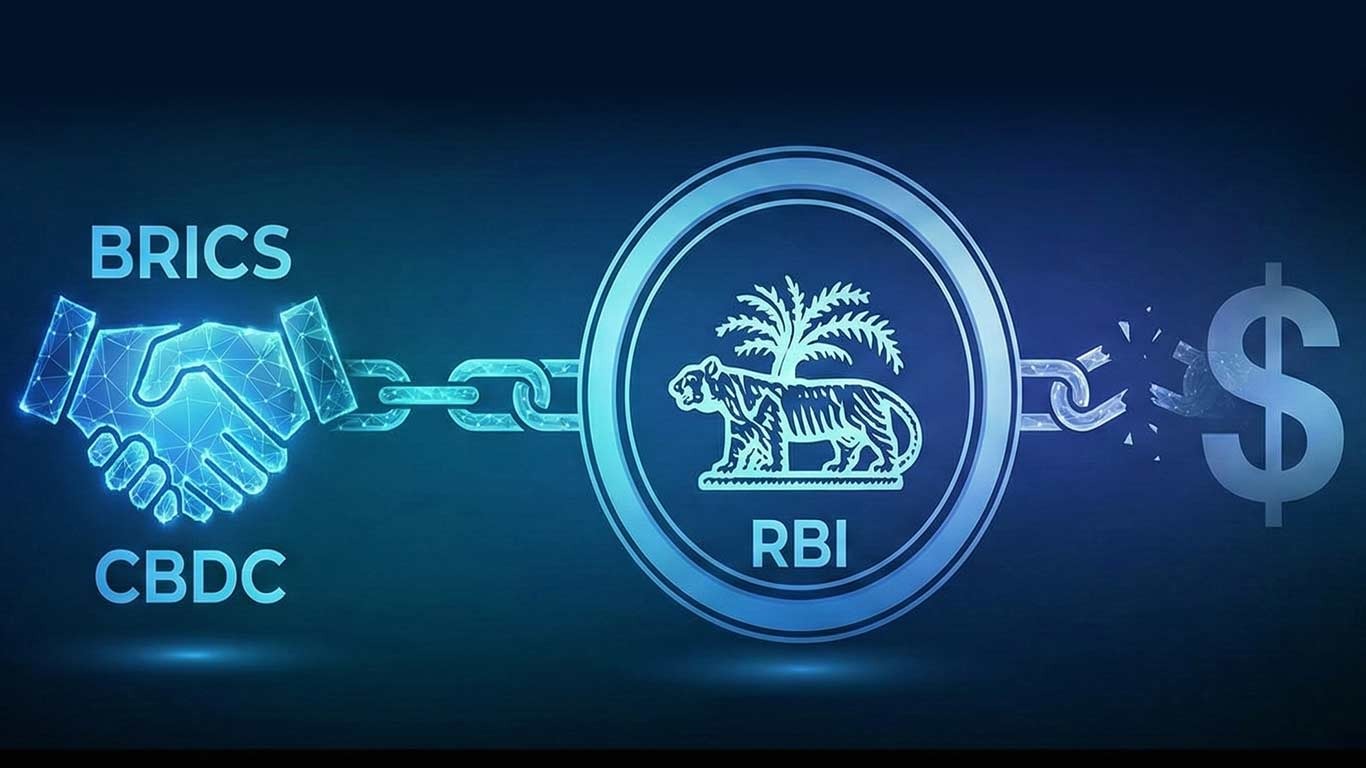
The Reserve Bank of India has confirmed that BRICS nations are in early discussions to link central bank digital currencies and fast payment systems. Aimed at reducing cross-border transaction costs and accelerating settlement speeds, the initiative seeks to modernize trade corridors and decrease reliance on traditional intermediary banking channels.
The Reserve Bank of India governor confirms that discussions are underway to link central bank digital currencies and fast payment systems across BRICS nations.
Overview
MUMBAI — Financial authorities within the BRICS bloc are actively evaluating infrastructural integrations to harmonize cross-border transactions, according to statements from India's central banking leadership. Speaking on international financial cooperation, Reserve Bank of India (RBI) Governor Shaktikanta Das noted on August 11, 2026, that deliberations regarding the interoperability of central bank digital currencies (CBDCs) and domestic fast payment systems are currently at a formative discussion stage among member states.
The initiative aims to address longstanding friction points in international trade and remittances. By exploring technological bridges between instantaneous payment architectures—such as India's Unified Payments Interface (UPI)—and equivalent digital currency frameworks, BRICS economies seek to establish secure, efficient alternatives to legacy correspondent banking networks.
Enhancing Cross-Border Efficiency and Reducing Costs
According to official briefings released by the (RBI), cross-border transactions represent a primary area of strategic interest for the BRICS coalition. Current global remittance corridors often involve multiple intermediary banks, resulting in high transaction fees, compliance bottlenecks, and settlement delays spanning several business days.
Central bank officials highlighted that substantial scope exists to reduce transaction costs and increase processing speed. Integrating CBDC frameworks and fast payment systems across emerging economies could fundamentally streamline trade settlements, lower foreign exchange conversion overheads, and strengthen financial inclusion across member nations.
Impact on Businesses, Investors, and Global Trade
For export-oriented businesses, commercial enterprises, and institutional investors operating within the BRICS corridor, streamlined payment rails translate directly into improved cash flow management and reduced operational friction. Faster settlements minimize foreign exchange exposure risks and eliminate redundant banking charges.
Furthermore, financial technology developers and digital asset providers are monitoring these multilateral discussions closely, as interoperable CBDC frameworks will likely catalyze new digital payment ecosystems and compliance protocols across developing markets.
Official Sources Section
Details concerning the multilateral discussions, cross-border payment strategies, and digital currency evaluations are sourced directly from official policy statements, monetary addresses, and announcements issued by the Reserve Bank of India (RBI) alongside updates coordinated through the Ministry of Finance.
"According to officials, cross-border payment integration remains a key priority for BRICS economies, with ongoing dialogues focused on leveraging CBDCs and fast payment infrastructures to reduce costs and enhance settlement speeds."
Why It Matters
Establishing interoperable payment networks among BRICS nations reduces reliance on traditional, high-cost intermediary channels. By fostering direct digital transaction corridors, member countries can bolster trade efficiency, lower currency exchange friction, and secure greater autonomy in global financial settlements.
Key Facts at a Glance
Issuing Authority: Reserve Bank of India (RBI).
Core Focus: Exploring linkages between CBDCs and fast payment systems across BRICS nations.
Primary Objectives: Reducing cross-border transaction costs and increasing payment speed.
Strategic Implication: Streamlining international trade settlements and modernizing emerging market financial infrastructures.
Frequently Asked Questions
1. What are BRICS nations discussing regarding cross-border payments?
BRICS financial authorities are discussing potential technical and policy linkages between their central bank digital currencies (CBDCs) and domestic fast payment systems to improve transaction efficiency.
2. Why are traditional cross-border payments expensive?
Traditional cross-border transfers rely on multi-tier correspondent banking networks that incur multiple intermediary fees, compliance checks, and prolonged settlement windows.
3. How will CBDC and fast payment linkages help businesses?
Interoperable digital payment systems will lower transaction costs, eliminate settlement delays, and optimize cash flow management for businesses engaged in international trade.
4. Where can official updates on these monetary discussions be found?
Official press releases, policy papers, and monetary announcements are published directly on the portal of the Reserve Bank of India (RBI).
Source: Reserve Bank of India (RBI), Ministry of Finance, and BRICS Financial Working Group Disclosures.