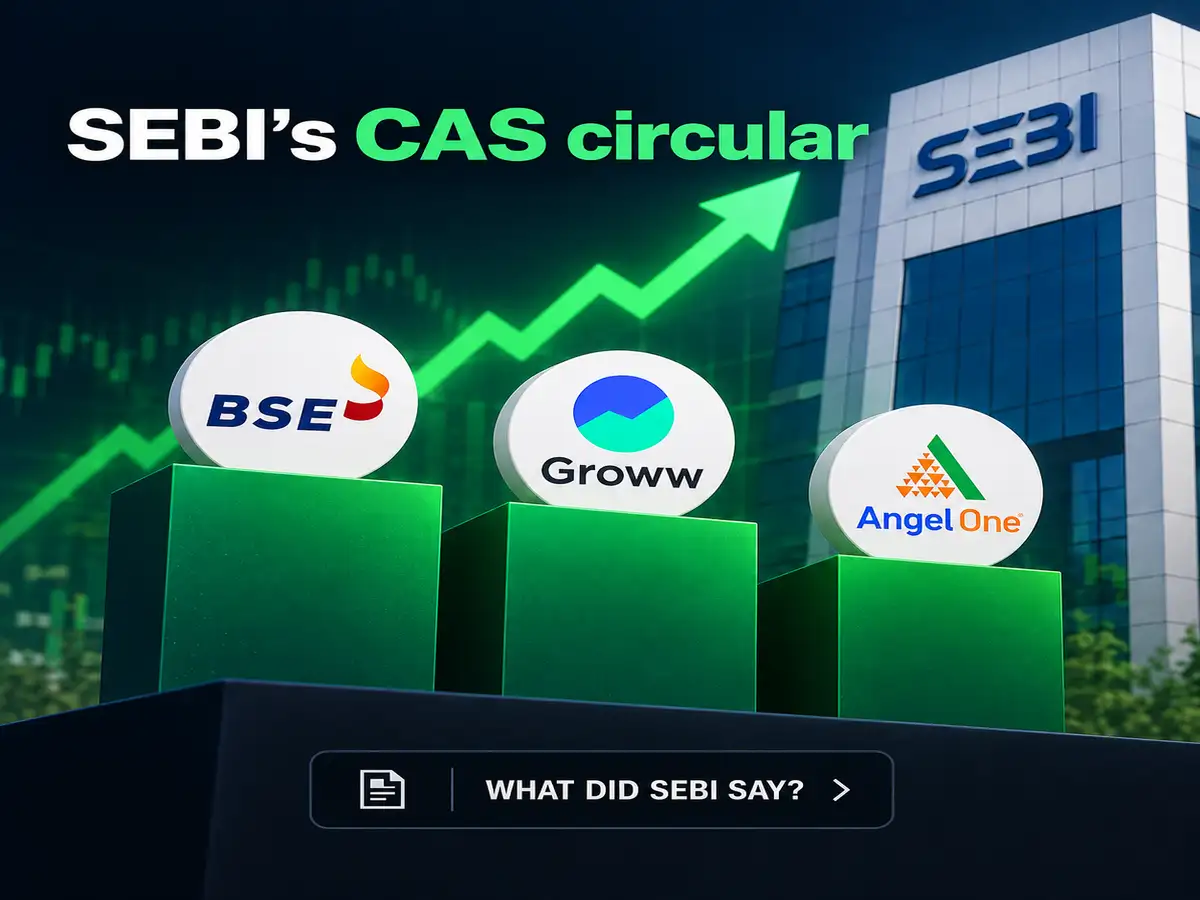
Shares of BSE, Angel One, and Groww jumped up to 8% after Sebi announced plans to review derivative settlement pricing under the new Closing Auction Session (CAS). The regulator will issue a consultation paper within a week to resolve sharp expiry-day price volatility that depressed exchange trading volumes.
MUMBAI — Shares of exchange operators and retail brokerage houses, including BSE Limited, Angel One, and Groww parent Billionbrains Garage Ventures, surged up to 8% in Friday morning trade. The rally followed a formal announcement by the Securities and Exchange Board of India (Sebi) that it will review the methodology used to calculate derivative contract settlement prices on expiry days.
The decision by Sebi comes after sustained backlash from algorithmic traders, retail discount brokers, and institutional desks over the newly launched Closing Auction Session (CAS). Market participants warned that the auction mechanism introduced sharp last-minute price distortions and forced proprietary desks to curtail trading volumes across index options.
Market Rally in Capital Market Stocks
Investor sentiment across listed brokerages and market infrastructure institutions rebounded sharply following the regulatory disclosure. On the National Stock Exchange (NSE), capital market equities led broad sectoral gains:
Angel One Limited: Rose as much as 7.8% to 8% to touch an intraday high of Rs 308.35.
BSE Limited: Rallied over 5% to reach an intraday peak of Rs 3,474 per share.
Groww (Billionbrains Garage Ventures): Gained over 3% to reach a session high of Rs 196.
Peer Brokerages: Motilal Oswal Financial Services jumped more than 2% to Rs 1,038, while Nuvama Wealth Management climbed 1.3% to Rs 1,862.80.
Brokerage business models remain heavily dependent on derivatives clearing turnover and transaction fees, leaving their revenue directly exposed to contract volume shifts.
What Did Sebi Announce Regarding CAS?
Sebi confirmed on Thursday that it is preparing a comprehensive consultation paper to revise how settlement prices are determined for equity derivatives on contract expiration dates.
The market regulator introduced the Closing Auction Session (CAS) framework into the equity cash segment on August 3 to determine official closing prices for securities through order-matching call auctions. However, linking derivative settlement directly to short-window auction prices triggered unexpected volatility in the final 30 minutes of trade.
Sebi noted that it had received extensive feedback from market intermediaries regarding expiry-day dislocations. In response, the regulator confirmed that a public consultation paper detailing proposed structural modifications to the derivative pricing mechanism will be issued within a week.
Turnover Contraction and Structural Industry Friction
The regulatory intervention follows steep reductions in equity derivatives turnover across both the NSE and BSE during August.
NSE Volumes: Total monthly equity derivative turnover contracted to Rs 34.48 lakh crore in August, marking its lowest monthly level since November 2023.
BSE Volumes: Monthly turnover slipped to Rs 32.2 lakh crore, touching its lowest point since June 2025.
Global brokerage Jefferies highlighted in an institutional report that sudden swings in the closing auction created acute settlement uncertainty on weekly expiry days. This dynamic forced option writers and proprietary desks to pull risk capital and stay away from late-day trade execution, shrinking transaction velocity and broker revenues. Jefferies recommended three regulatory fixes: de-linking options expiry pricing from the immediate CAS window, improving securities lending and borrowing (SLB) access, and broadening liquidity pools in closing auctions.
Impact on Investors, Traders, and Brokerages
Sebi’s impending consultation paper carries operational consequences across India's financial ecosystem:
Retail and Active Traders: Decoupling derivative settlement from volatile, short-duration auction swings will reduce the threat of "gamma squeezes" and abrupt spikes in option premiums during the final minutes of expiry sessions.
Discount and Full-Service Brokers: Restoring predictable settlement conditions is expected to revive proprietary desk participation and daily active users, shielding brokerage fee lines.
Market Infrastructure Institutions: Both the BSE and NSE rely on robust trading volumes for clearing, exchange, and listing fees. A recovery in derivatives engagement stabilizes institutional earnings multiples.
Official Sources
The market actions and policy updates in this report are grounded in official regulatory notices and stock exchange transaction data:
Official Quotes
In an official public statement released on Thursday, the Securities and Exchange Board of India stated:
"Having considered the experience of the initial period of CAS implementation and the feedback received from various stakeholders, Sebi may be proposing certain changes in the methodology for determination of settlement prices of derivative contracts for which a consultation paper will be issued in about a week. A significant area of feedback relates to the determination of settlement prices of derivative contracts on expiry based on the closing price determined through CAS."
Addressing the liquidity impact, institutional analysts at Jefferies stated in a research note:
"The key challenge with CAS has been the uncertainty on expiry day, forcing option writers to stay away from the market. This has reduced the profitability of proprietary traders and contributed to multi-month low volumes across exchanges."
Why It Matters
Capital market volumes form the lifeblood of India's retail investment boom. If excessive friction or erratic price determination mechanisms persist, liquidity providers withdraw capital, increasing trading costs and spreads for everyday market participants. Sebi's prompt review of the Closing Auction Session demonstrates regulatory flexibility, reassuring investors that market integrity measures will not come at the expense of liquidity and price discovery.
Key Facts at a Glance
Stock Reaction: BSE surged over 5%, Angel One climbed nearly 8%, and Groww advanced 3% following Sebi's statement.
Regulatory Trigger: Sebi will release a consultation paper within a week to review derivative settlement price calculations under CAS.
Core Problem: The Closing Auction Session caused extreme expiry-day price swings, depressing August derivatives turnover to multi-month lows on both BSE and NSE.
Market Solution: Regulators are considering de-linking option settlement from narrow auction windows to lower risk for option writers.
Frequently Asked Questions
Why did shares of BSE, Groww, and Angel One rally?
Shares surged up to 8% after Sebi announced it will review the settlement price calculation for derivatives contracts linked to the newly rolled out Closing Auction Session (CAS), which had previously triggered a drop in trading volumes.
What is the Closing Auction Session (CAS)?
CAS is a call auction mechanism introduced by exchanges to determine the official closing price of cash-market stocks by aggregating buy and sell orders at the end of the trading day.
What problem did market participants face with CAS?
Traders faced sudden price swings during the closing auction window on expiry days, leading to erratic moves in option contract values and prompting institutional option writers to step back from the market.
When will Sebi release its proposed changes?
Sebi confirmed it will issue a formal public consultation paper outlining proposed modifications to derivative settlement methodologies within approximately one week.
Source: Official regulatory announcement by the Securities and Exchange Board of India (Sebi), exchange reports from NSE India and BSE Limited, and institutional analysis by Jefferies.