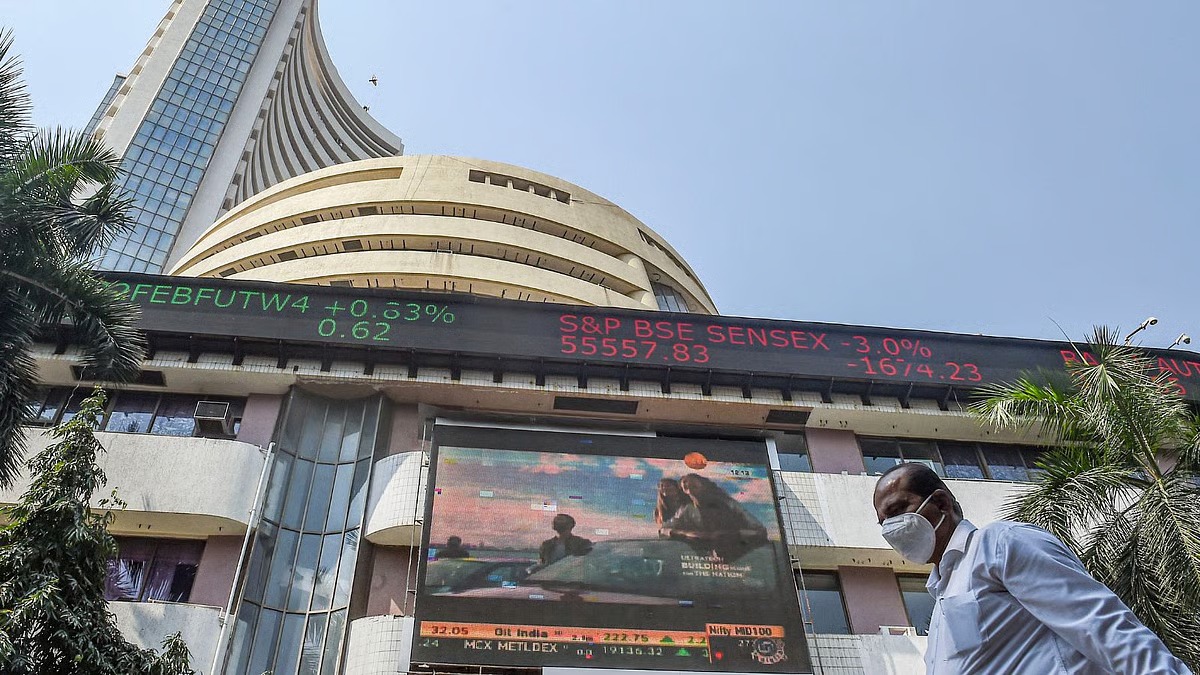
India's benchmark equity index, the BSE Sensex, edged lower by 0.4% in trading on Tuesday as investors locked in profits following recent multi-session gains. Heavyweight banking and technology equities witnessed light selling pressure, while market participants closely monitored upcoming domestic macroeconomic data releases and global central bank rate decisions.
MUMBAI, India — India's benchmark stock market index, the BSE Sensex, slipped 0.4% during trading sessions in Mumbai on Tuesday, breaking a multi-day winning streak as market participants engaged in tactical profit-taking. The pullback follows consecutive sessions of strong upward momentum that had pushed equity values toward mid-summer peak levels. Financial analysts attributed the minor decline to selective liquidation in heavyweights across the banking, information technology, and fast-moving consumer goods sectors, alongside broader caution in international equity markets.
Sectoral Movements and Major Market Movers
Trading desks at the Bombay Stock Exchange reported balanced volume with declining issues slightly outnumbering advancing stocks across major industry indices. Large-cap financial institutions and technology service exporters led the moderate downward trajectory.
According to trading statistics maintained by exchange operators:
| Sector / Index Segment | Daily Percentage Change | Primary Driver |
| BSE Bankex | -0.35% | Profit-taking in private banking majors |
| BSE IT Index | -0.52% | Cautious sentiment ahead of global tech earnings |
| BSE FMCG | -0.28% | Consolidation following recent rally |
| BSE Auto | +0.15% | Selective buying in commercial vehicle manufacturers |
In individual stock action, heavyweights including HDFC Bank, ICICI Bank, and Infosys saw moderate selling pressure. Conversely, defensive counters in pharmaceuticals and selected auto manufacturers provided a cushion against sharper market declines.
Macroeconomic Context and Global Signals
The pull-back in the BSE Sensex comes against the backdrop of shifting global macroeconomic dynamics and key domestic data expectations. Institutional investors have been assessing crude oil price volatility, foreign portfolio investment flows, and interest rate projections from global central banks.
Foreign Institutional Investors (FIIs), who turned net buyers in recent weeks following sustained capital inflows into Indian equities, displayed a measured approach during the session. Meanwhile, Domestic Institutional Investors (DIIs) continued to extend support through systematic investment plan (SIP) allocations.
Financial market strategists note that the 0.4% dip represents routine consolidation rather than a structural reversal in sentiment. With inflation metrics remaining within acceptable central bank target bands, market participant attention is shifting toward domestic industrial production figures and upcoming reserve bank policy guidance.
Official Announcements and Market Regulatory Updates
According to official releases from the Bombay Stock Exchange (BSE) and market regulators, market operations operated smoothly without technical disruptions throughout the trading session.
The exchange's surveillance and risk management mechanisms confirmed that margin requirements and circuit filters remained within standard operational parameters. Furthermore, regulatory updates from the Securities and Exchange Board of India (SEBI) continue to emphasize market transparency, institutional compliance, and robust clearing procedures.
Market Commentary and Official Reaction
"According to market analysts and exchange desk commentary, the modest retreat in the BSE Sensex is a natural consolidation phase following four to five straight days of positive closes," stated equities equity research notes from institutional brokerages.
Market observers added that short-term volatility remains tied to global commodity price trends, exchange rate fluctuations of the Indian Rupee against the U.S. Dollar, and quarterly corporate earnings evaluations.
Why It Matters
The 0.4% adjustment in the benchmark index directly impacts institutional portfolios, retail equity investors, and mutual fund net asset values (NAVs).
For Retail Investors: Minor pullbacks offer potential accumulation opportunities in quality fundamental stocks while underscoring the importance of rupee-cost averaging through systematic investment plans.
For Institutional Traders: The consolidation provides clarity on key technical support levels near the 78,000 mark for the BSE Sensex.
For Businesses & Borrowers: Market stability supports capital-raising activities through primary markets, maintaining momentum for corporate IPOs and debt issuances.
Key Facts at a Glance
Index Movement: The BSE Sensex declined 0.4% during Mumbai trading sessions.
Primary Cause: Profit booking in banking, finance, and information technology equities after multi-day gains.
Institutional Activity: Foreign and domestic institutional investors demonstrated balanced trading activity.
Key Support Level: Technical analysts monitor support around the 78,000-point threshold.
Macro Drivers: Market sentiment remains linked to global energy trends, monetary policy outlooks, and domestic economic data releases.
Frequently Asked Questions (FAQs)
What is the BSE Sensex?
The BSE Sensex (S&P BSE SENSEX) is the benchmark index of the Bombay Stock Exchange in India. It comprises 30 established and financially sound companies representing key sectors of the Indian economy.
Why did the BSE Sensex fall 0.4% today?
The decline was primarily driven by profit-taking by institutional investors after several days of consecutive gains, alongside sector-specific consolidation in banking and technology shares.
Does a 0.4% drop signal a broader market crash?
No. A 0.4% movement is considered routine daily volatility within healthy market operations. It reflects standard trading adjustments rather than a structural market downturn.
How do foreign portfolio flows affect the index?
Foreign Institutional Investors (FIIs) bring liquidity into Indian capital markets. When FIIs buy equity, demand increases index valuations, whereas net selling pressure can lead to short-term corrections.
Source: Official market trading statistics and operational announcements provided by the Bombay Stock Exchange (BSE), regulatory filings from the Securities and Exchange Board of India (SEBI), and economic data updates from the Ministry of Finance, Government of India.