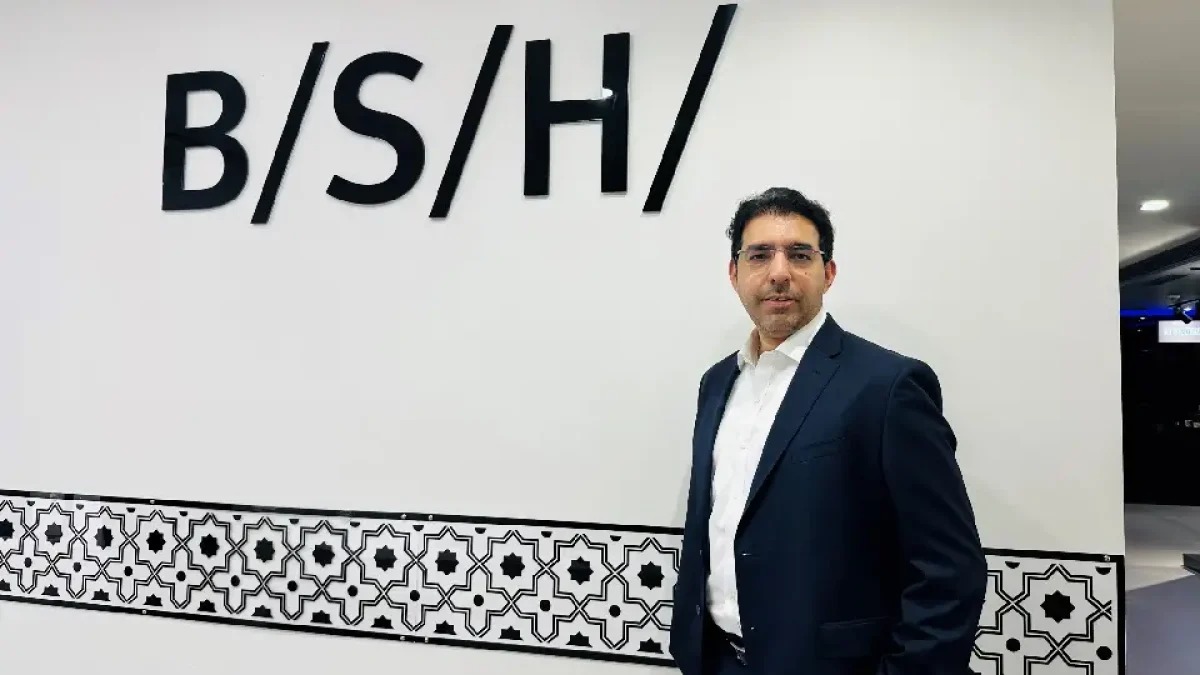
BSH Home Appliances is aggressively targeting two-fold growth for its premium Siemens brand in India. Driven by a structural consumer shift toward luxury built-in kitchens and smart home technology, the company is rapidly expanding its SKU range and executing a massive retail rollout to establish 500 exclusive brand stores by 2030
BSH Home Appliances Group, Europe’s largest home appliance manufacturer, has officially announced an aggressive expansion strategy targeting two-fold growth for its luxury Siemens brand in India. The corporate initiative comes as urban Indian households rapidly pivot toward premium kitchens, prioritizing advanced connected infrastructure, built-in configurations, and internet-of-things (IoT) capable devices.
To anchor this expansion, the company is systematically expanding its network of standalone brand stores, experiential display hubs, and luxury kitchenware dealer partnerships across the country.
Consumer Shift Toward Integrated Built-In Ecosystems
According to recent financial and strategic updates shared by corporate leadership, India has emerged as a central growth engine for the broader BSH group. Reflecting this growing market significance, BSH Home Appliances carved out India as an independent corporate region in early 2026—making it only the fifth such independent zone globally for the conglomerate.
The target to double the presence of Siemens appliances aligns directly with structural changes in how middle-class and affluent Indian consumers view domestic spaces. The historical preference for standalone, freestanding white goods is being quickly replaced by an escalating demand for integrated, built-in kitchen layouts.
Company analytics indicate that the cooking appliance segment, which includes high-end built-in ovens, induction hobs, and smart extraction hoods, has experienced consistent double-digit volume increases. This momentum is heavily supported by consumers in metropolitan capitals like Bengaluru—which contributes 15 percent of the company's nationwide built-in business—as well as fast-growing tier-2 manufacturing and commercial centers such as Coimbatore and Kolkata.
Strategic Product Pipeline and Retail Footprint Expansion
To sustain its targeted two-fold growth velocity, BSH is widening its product assortment to match varying kitchen footprints. The total number of Stock Keeping Units (SKUs) managed by the firm is expanding from 303 to 353, allowing the brand to address a broader cross-section of home buyers while protecting its premium position.
"The entry-level products are being introduced to widen the funnel, but growth will be driven by mid and premium segments," stated Saif Khan, Managing Director and Chief Executive Officer of BSH Home Appliances India, in a recent strategic briefing.
Beyond high-end cooking units, the company is mobilizing distinct product categories to secure household penetration:
Dishwashers: BSH currently maintains an estimated 55 percent market share in the Indian dishwasher category, a segment that expanded sharply following tax corrections and changing lifestyle priorities.
Refrigeration & Laundry: The brand is rolling out high-capacity cooling models and intelligent laundry care systems integrated with its proprietary Home Connect software ecosystem.
Built-in Smart Tech: Key innovations like the Siemens iQ700 oven series utilize artificial intelligence and integrated cameras to monitor baking and browning levels according to user preferences.
Quote Section
"According to officials outlining the company's multi-year retail roadmap, BSH intends to scale up its retail reach by adding roughly 100 new brand outlets annually. The long-term distribution master plan aims to establish a network of 500 exclusive experiential stores by 2030, ensuring robust customer service across evolving Indian geographical tiers."
Why It Matters
For domestic consumers and property developers, this expansion translates to direct, localized access to international kitchen standards without long import timelines. For businesses operating within the wider Indian real estate, interior design, and modular kitchen manufacturing industries, BSH's aggressive retail expansion offers a highly collaborative framework. The localized vendor ecosystem being cultivated by the German firm also aids domestic sourcing, aiming to push local component assembly to 85 percent by 2030.
Key Facts at a Glance
Growth Target: BSH Home Appliances is pursuing a 2x growth trajectory for its premium Siemens brand portfolio in India.
Organizational Status: India was elevated to an independent global operational region for BSH starting in 2026.
Category Drivers: Built-in ovens, hoods, and automated dishwashers are leading corporate sales, with dishwashers commanding a 55% market share.
Retail Ambition: The brand aims to scale its network from over 120 current brand stores to 500 exclusive outlets by 2030.
Frequently Asked Questions (FAQ)
1. What is driving the sudden demand for premium Siemens kitchen appliances in India?
The primary driver is the ongoing "premiumization" wave across urban India. Rising disposable incomes, a booming luxury real estate market, and a structural shift toward smart, connected modular kitchens have prompted consumers to choose integrated premium appliances over basic freestanding models.
2. What makes Siemens appliances different from other consumer brands?
The Siemens brand under BSH focuses specifically on intelligent luxury, hyper-precision engineering, and IoT integration. Its products feature Home Connect capabilities, allowing users to monitor and operate ovens, coffee makers, and dishwashers remotely via smartphones or smart home panels.
3. Is BSH manufacturing these premium appliances locally within India?
Yes, BSH follows a "Make-in-India-for-India" blueprint. The company is actively building a strong domestic vendor ecosystem, aiming to increase component-level localization from the current 65 percent up to 85-90 percent by 2030 to protect against global supply shocks.
Source: BSH Home Appliances India Corporate Media, BSH Hausgeräte GmbH Global Portal, The Economic Times Retail Bureau