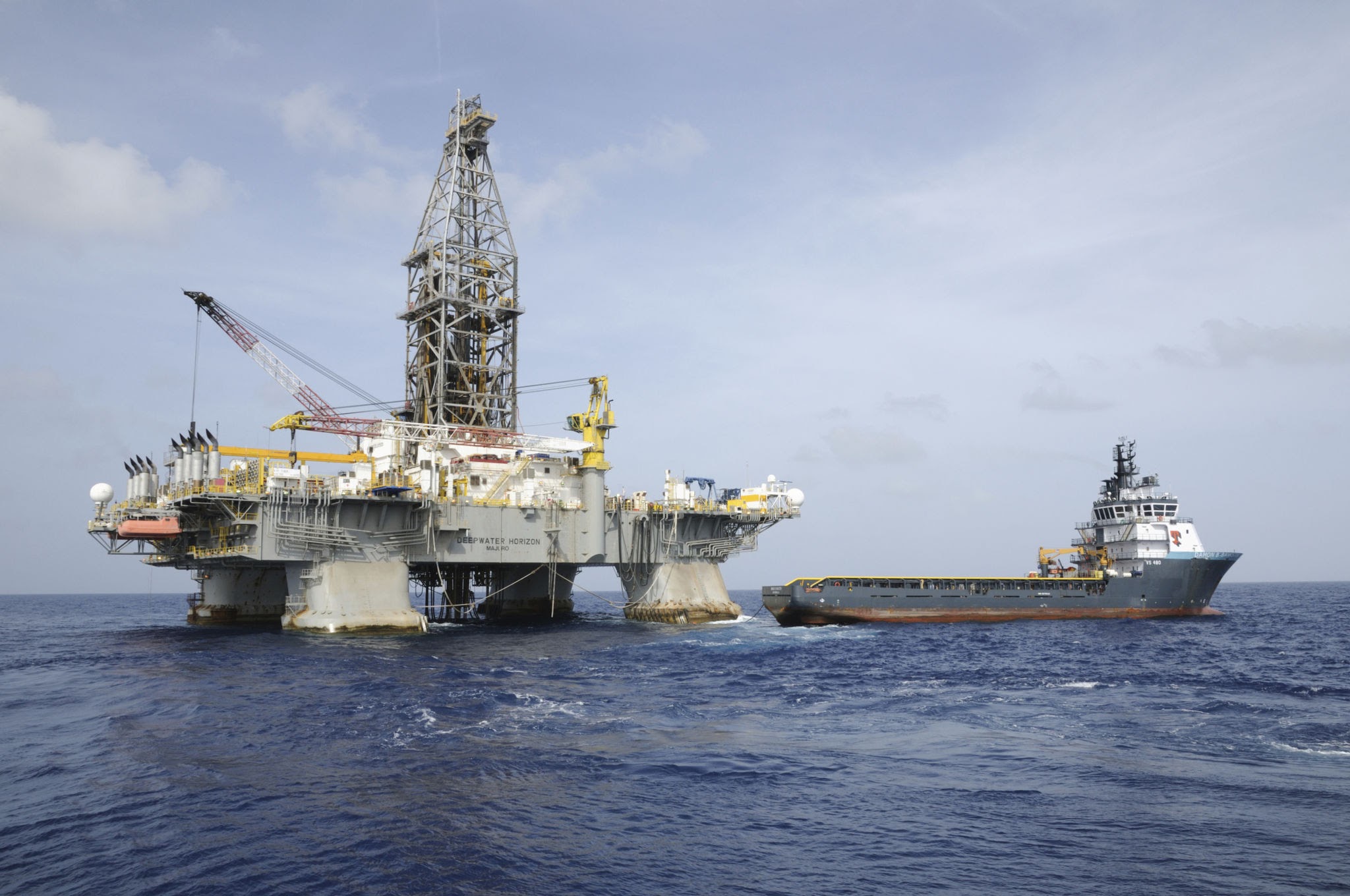
The Union Cabinet has approved the 'Samudra Manthan' National Offshore Exploration Scheme with a financial outlay of ₹84,084 crore (approximately ₹840 billion) through FY2030–31. Announced by the Information Minister on July 31, 2026, the deep-sea exploration scheme aims to accelerate deepwater energy production, de-risk exploration, and strengthen national energy security.
NEW DELHI — In a major effort to bolster domestic energy production, the Union Cabinet, chaired by Prime Minister Narendra Modi, on Friday, July 31, 2026, approved a major deep-sea exploration scheme with a total outlay of ₹84,084 crore (approximately ₹840 billion). Officially titled the 'Samudra Manthan' National Offshore Exploration Scheme, the initiative will run through fiscal year 2030–31 under the Ministry of Petroleum and Natural Gas.
The decision comes at a critical time as India seeks to lower its reliance on imported crude oil, which currently accounts for nearly 85% of domestic consumption. By establishing government co-funding and infrastructure support, the deep-sea exploration scheme aims to de-risk high-cost offshore drilling, attract global energy majors, and catalyze reserve accretion across unexplored maritime basins.
Strategic Framework of the 'Samudra Manthan' Initiative
The newly approved central sector initiative creates a structured financial and operational umbrella to accelerate energy discovery across India’s Exclusive Economic Zone (EEZ). Offshore drilling, particularly in ultra-deepwater environments, carries immense capital expenditure requirements and complex geological risks. A single exploratory well in deepwater blocks can cost between ₹1,000 crore and ₹1,200 crore.
To overcome these cost barriers, the comprehensive deep-sea exploration scheme introduces target-linked incentives and shared infrastructure provisions:
High-Resolution Data Acquisition: Large-scale acquisition, processing, and interpretation of advanced 2D and 3D seismic data across frontier offshore basins.
Exploratory Drilling Support: Co-funding mechanisms for deepwater and ultra-deepwater exploratory wells, including partial cost-reimbursements for survey operations.
Shared Evacuation Infrastructure: Development of common offshore production hubs, pipelines, and evacuation facilities to lower entry barriers for private and public sector operators.
Dedicated Manufacturing Zone: Establishment of an integrated Oil and Gas Manufacturing and Services Zone to promote indigenous production of deepwater technology under Atmanirbhar Bharat.
Projected Energy Reserve Additions and Industrial Growth
Government evaluations project that the operational interventions outlined under the deep-sea exploration scheme will catalyze reserve accretion of over 600 Million Metric Tons of Oil Equivalent (MMTOE). The expansion of exploratory acreage aligns with ongoing bidding rounds under the Open Acreage Licensing Programme (OALP), where 18 deepwater and ultra-deepwater blocks are currently open for competitive bidding.
The initiative is structured to generate long-term industrial synergies, boosting domestic manufacturing of subsea equipment, specialized offshore supply vessels, and digital reservoir modeling systems. Furthermore, state-owned energy major ONGC has already initiated exploratory drilling under the broader framework in the Mahanadi basin, setting the stage for wider public-private participation.
Official Sources and Regulatory Disclosures
The official press release issued by the Press Information Bureau (PIB) and notifications from the Ministry of Petroleum and Natural Gas confirm that the scheme will be implemented through FY 2030–31 with an authorized budget of ₹84,084 crore.
According to regulatory filings, the expenditure will be released in phased tranches linked to verifiable survey targets, exploratory drilling milestones, and common asset development goals set by administrative ministries.
Statements from Cabinet Officials
Information Minister updates and official government releases highlighted the strategic importance of the Cabinet approval for long-term economic planning.
According to officials, "The Samudra Manthan national deep-sea exploration scheme translates the Prime Minister's vision to unlock India's vast offshore energy potential. By de-risking deepwater exploration and supporting common infrastructure, the government is creating an ecosystem that fosters technological self-reliance, attracts foreign direct investment, and ensures long-term energy security for Viksit Bharat."
Why It Matters: Impact on Citizens, Industry, and Markets
The rollout of the ₹840 billion national deep-sea exploration scheme holds broad structural implications across multiple economic sectors:
For Consumers and Citizens: Enhancing domestic oil and gas production helps cushion the national economy against international energy price shocks, supporting long-term fuel price stability and macroeconomic health.
For Energy Corporations and Investors: Direct government co-funding and shared subsea infrastructure significantly lower capital expenditure risks, boosting prospective returns for upstream oil and gas firms participating in OALP auctions.
For Domestic Manufacturing and Services: Industrial engineering, shipbuilding, and defense-tech sectors stand to gain multi-year service contracts for offshore platform construction, seismic mapping, and marine logistics.
Key Facts at a Glance
Scheme Name: 'Samudra Manthan' National Offshore Exploration Scheme.
Approved Outlay: ₹84,084 crore (~₹840 billion / $8.81 billion).
Implementation Horizon: Through Fiscal Year 2030–31.
Primary Target: Addition of over 600 Million Metric Tons of Oil Equivalent (MMTOE) in energy reserves.
Nodal Ministry: Ministry of Petroleum and Natural Gas, Government of India.
Frequently Asked Questions
What is the primary focus of the Samudra Manthan deep-sea exploration scheme?
The scheme focuses on accelerating deepwater and ultra-deepwater oil and natural gas exploration in India's offshore basins through seismic data collection, exploratory drilling support, and common evacuation infrastructure.
How much financial outlay has the Cabinet approved?
The Union Cabinet approved a total central financial outlay of ₹84,084 crore (approximately ₹840 billion) covering implementation up to FY 2030–31.
Why is deepwater exploration critical for India?
India currently imports nearly 85% of its crude oil needs. Unlocking deepwater and ultra-deepwater reserves significantly increases domestic production, reduces foreign exchange outgo, and strengthens overall national energy security.
How does the scheme lower financial risks for energy exploration companies?
The initiative provides government co-funding for exploratory wells, supports high-resolution 3D seismic surveys, and builds shared offshore production facilities, substantially reducing upfront capital expenses for operators.
Source: Official cabinet announcements issued by the Press Information Bureau (PIB), regulatory updates from the Ministry of Petroleum and Natural Gas, and market filings on the BSE India Exchange Desk.