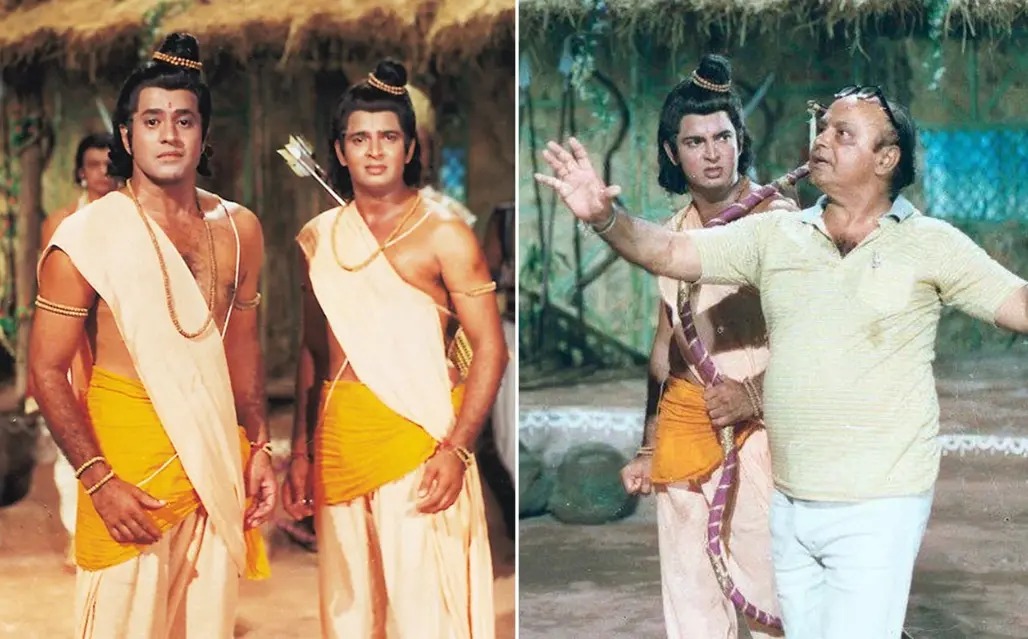
A new behind-the-scenes documentary spearheaded by filmmaker Shiv Sagar explores how Ramanand Sagar created the iconic 1987 Ramayan television series using practical in-camera tricks and rudimentary technology, entirely without computers, green screens, or modern digital VFX.
A forthcoming behind-the-scenes documentary explores the low-tech, practical ingenuity behind the creation of television's most iconic epic series.
NEW DELHI — Nearly four decades after capturing the nation's imagination, the landmark 1987 television series Ramayan is set to be the subject of a new behind-the-scenes documentary. Announced by Shiv Sagar, filmmaker and grandson of legendary director Ramanand Sagar, the project will detail how the monumental epic was brought to life using rudimentary technology, long before the advent of computer-generated imagery, green screens, or advanced digital visual effects (VFX).
Scheduled for a digital release ahead of modern big-screen adaptations of the epic, the documentary arrives at a time when contemporary filmmaking heavily relies on multi-million-dollar digital suites and global VFX houses. Production archives, high-resolution digitization of original negatives, and exclusive interviews with surviving cast members, technicians, and family members form the core of the upcoming release.
Practical Magic and Rudimentary Technology
When Ramanand Sagar began production on the series in the late 1980s, the digital infrastructure common in modern filmmaking did not exist. According to production family archives and historical accounts, the creative team worked with basic linear editing equipment, low-band U-matic video tapes, and early chromatic applications.
Instead of computer-generated special effects, the crew relied entirely on practical methods—such as back-projection, physical glass paintings, miniature models, and clever optical illusions—to depict celestial flights and divine warfare. Everyday household materials, including cotton and incense smoke, were routinely utilized on set to simulate clouds, atmospheric mist, and divine aura.
Preserving Television History and Archival Memory
The documentary aims to capture institutional memory before it fades, featuring retrospective insights from family members of legendary actors who have passed away, such as Arvind Trivedi (who played Ravana) and Dara Singh (who portrayed Hanuman). Furthermore, the project shines a spotlight on the intense daily environment at the studio, where up to 40,000 fans would gather daily from across the country, and highlights the unseen personal sacrifices made by the families and crew members during production.
Industry analysts note that the timely release of this documentary taps into a renewed public fascination with practical filmmaking, offering modern viewers and aspiring filmmakers a masterclass in how compelling narrative art can triumph over technical limitations.
Official Sources Section
Sagar Arts Production Archives: Official corporate disclosures, behind-the-scenes photographic records, and historical production logs.
Producer Interviews: Direct statements from Shiv Sagar regarding the conceptualization, archival restoration, and upcoming release framework of the documentary.
Broadcast History Records: Historical data tracking the cultural footprint and technical parameters of the original 1987 Doordarshan telecast.
Quote Section
"According to official producer statements and family disclosures, the documentary will reveal how Ramanand Sagar utilized primitive technology, linear editing, and practical in-camera effects to film the legendary series without the aid of modern green screens or computers."
Why It Matters
For entertainment historians, filmmakers, and millions of fans who grew up watching the original broadcast, the documentary provides a rare look into the resourcefulness that defined early Indian television. By contrasting past methods with today's heavy digital pipelines, the project offers valuable perspective on how creative storytelling can achieve timeless cultural resonance under strict technological constraints.
Key Facts at a Glance
Behind-the-Scenes Focus: The documentary showcases the practical techniques—such as glass paintings, miniatures, and optical trickery—used instead of digital VFX.
Archival Restoration: Utilizes high-resolution digitizations of original photographic negatives alongside AI-assisted reconstruction of behind-the-scenes moments.
Exclusive Interviews: Features commentary from descendants and colleagues of iconic cast members, including the late Arvind Trivedi and Dara Singh.
Release Timeline: Slated for a digital release window ahead of upcoming high-budget cinematic adaptations of the epic.
FAQ Section
What is the primary focus of the new Ramayan documentary?
The documentary explores how legendary director Ramanand Sagar produced the 1987 television classic without computers, green screens, or advanced digital VFX.
Who is producing the documentary?
The project is being produced by Shiv Sagar, the filmmaker and grandson of Ramanand Sagar.
What techniques were used to create special effects in the original series?
The production team relied on practical effects, including back-projection, glass paintings, miniatures, and creative elements like cotton and smoke for atmospheric visuals.
When and where will the documentary be released?
Producers have completed principal interviews and post-production work, aiming for a digital release platform rollout.
Source: Sagar Arts Archives, Bollywood Hungama Exclusive Interviews, Hindustan Times Entertainment Desk