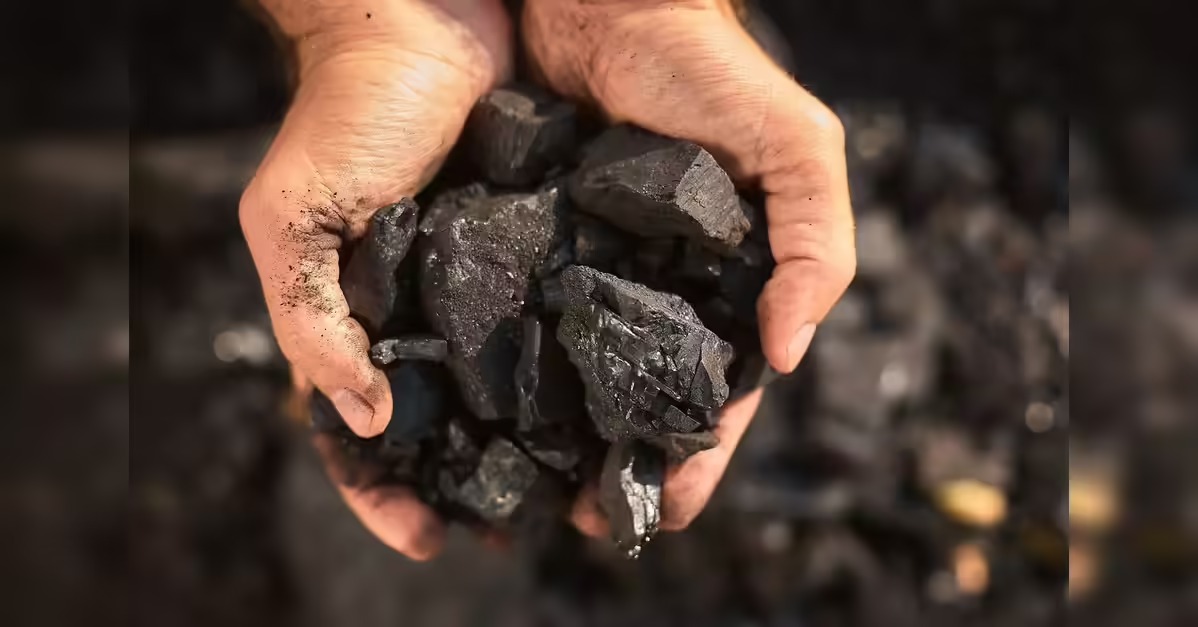
India’s government informed Parliament that coal-based thermal power supplied nearly 70% of the nation's electricity between April and June 2026. Despite expanding solar and wind infrastructure, coal plants provided 75% of output during non-solar peak demand, proving vital to meeting record summer electricity loads reliably.
NEW DELHI, INDIA — Coal continues to serve as the structural anchor of India's energy ecosystem, supplying nearly 70% of the nation's electricity during the peak summer months despite significant investments in renewable capacity. In a formal response submitted to the Lok Sabha on Thursday, July 23, 2026, the Ministry of Power confirmed that fossil-fuel generation remains essential to grid stability, particularly during evening peak hours when solar availability drops to zero.
Thermal Plants Supply Bulk of Peak Summer Power Demand
Data submitted by the Ministry of Power revealed that coal and lignite-based power plants accounted for 69.54% of total electricity supplied across India between April and June 2026. During non-solar peak demand hours, coal generation reached 188.8 GW, representing roughly 75% of the country’s total generation during those critical windows.
The national grid faced unprecedented pressure due to intense heatwaves and El Niño conditions, which drove peak power demand up by 12% year-on-year during the first quarter of the fiscal period. An all-time high peak demand of 270.8 GW recorded in May was met successfully without major grid failures. The peak crossed 270 GW twice again in July 2026.
According to the Ministry of Power, total coal-and-lignite-based capacity in the country stands at approximately 230.8 GW. To maintain baseload reliability, thermal capacities were expanded with 9,470 MW added during FY 2025–26 and an additional 2,260 MW commissioned in the early months of FY 2026–27.
Grid Integration, Fuel Stocks, and Demand Management
Addressing fuel availability, the ministry assured lawmakers that power generation remains fully supported by domestic stocks. As of mid-July 2026, thermal power plants held over 41.4 million tonnes of coal reserves, sufficient to sustain 13 to 14 days of generation at an 85% Plant Load Factor (PLF). An Inter-Ministerial Committee comprising senior officials from the Ministry of Power, Ministry of Coal, and Indian Railways monitors rake movements and fuel supply dispatches daily.
Beyond capacity generation, the government is shifting focus toward managing load behavior. State distribution utilities (DISCOMs) have been instructed to execute energy efficiency interventions, optimize agricultural pumping hours, and incentivize electric vehicle (EV) fleet charging during daytime solar generation hours.
To integrate intermittent green power into the national transmission grid, regulations mandated by the Central Electricity Authority (CEA) require coal plants to operate dynamically down to a technical minimum level of 40%. Furthermore, to supplement non-solar supply, 2,669 MW of Battery Energy Storage Systems (BESS) and 7,426 MW of Pumped Storage Projects (PSPs) have been commissioned to date.
Official Sources Section
All performance statistics, grid load figures, and operational metrics cited in this report originate directly from official statements submitted to Parliament by the Ministry of Power and official parliamentary releases published by the Press Information Bureau.
Quote Section
According to officials from the Ministry of Power:
"The coal and lignite-based power generation capacity continues to act as the primary baseload, ensuring uninterrupted electricity availability across the country during critical peak and non-solar hours."
Why It Matters
Despite rapid installation of solar and wind infrastructure, renewables alone cannot yet support evening peak loads without large-scale battery storage. Coal's continued dominance underlines India's dual strategy: aggressively installing renewable assets while maintaining thermal power capacity to guarantee industrial stability and energy security.
Key Facts at a Glance
Share in Supply: Coal plants provided 69.54% of India’s electricity from April to June 2026.
Peak Non-Solar Output: Generated 188.8 GW (75% of total power) during evening demand peaks.
Record Demand: Successfully met an all-time high peak power demand of 270.8 GW in May 2026.
Fuel Stocks: Thermal power plants held over 41 million tonnes of coal reserves, equal to 13-14 days of stock.
Grid Upgrades: Commissioned 2,669 MW of battery storage and 7,426 MW of pumped hydro storage to balance renewable integration.
Frequently Asked Questions (FAQ)
What percentage of India's power is currently generated by coal?
Coal and lignite-based generation accounted for 69.54% of total electricity supplied across India between April and June 2026, rising to roughly 75% during non-solar peak evening hours.
Did India face power shortages during the 2026 peak summer heatwaves?
No. Despite peak electricity demand rising 12% due to intense heat conditions and touching a record 270.8 GW in May 2026, the Ministry of Power reported that demand was met without supply deficits.
Are there sufficient coal stocks at thermal power stations?
Yes. As of July 2026, thermal power plants maintained 41.4 million tonnes of coal inventory, adequate for 13 to 14 days of operation at an 85% plant load factor.
How is the government balancing coal reliance with clean energy goals?
The government is implementing CEA regulations that allow thermal plants to flex down to 40% capacity during high solar output hours. It is also commissioning battery energy storage and pumped hydro storage to absorb surplus renewable energy for use during non-solar peak hours.
Source: Official parliamentary disclosures by the Ministry of Power and press briefings released via the Press Information Bureau.