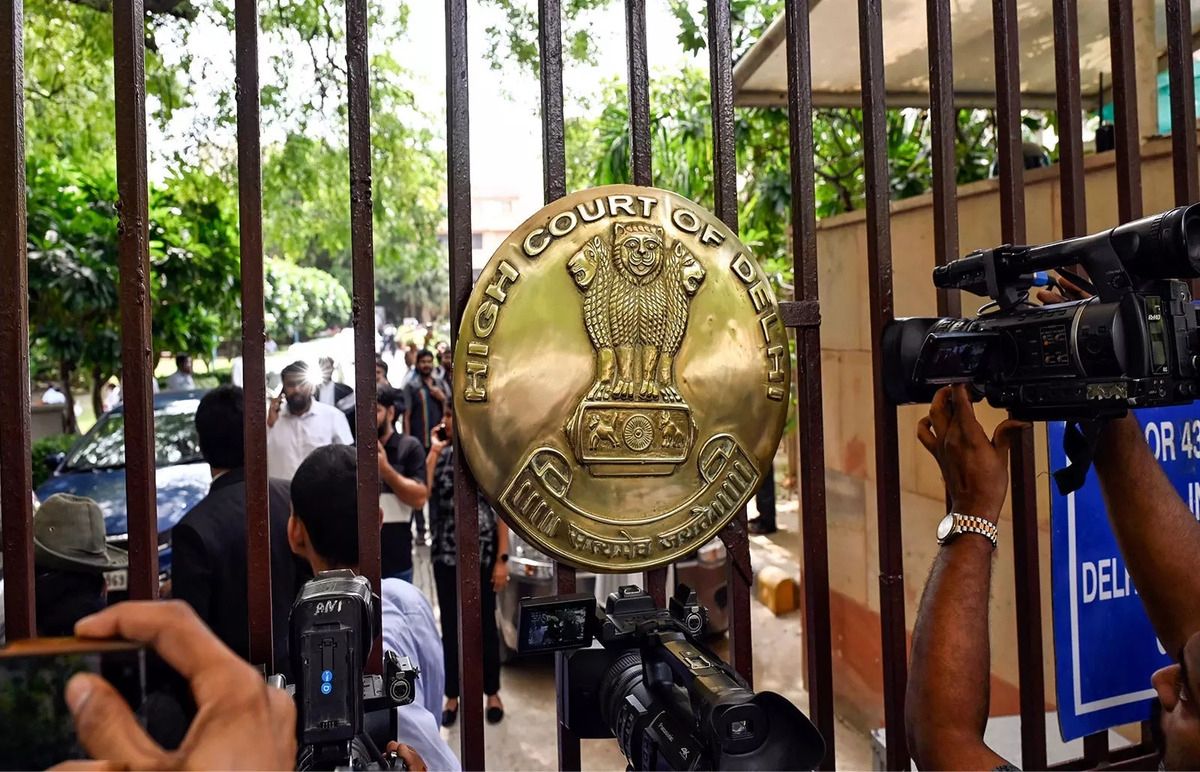
The Delhi High Court has temporarily restrained Unity Small Finance Bank from increasing its authorized share capital following legal objections from 49% stakeholder BharatPe. The court ruled that capital restructuring measures require explicit prior written consent under existing shareholder agreements, halting planned warrant conversions.
New Delhi court blocks Unity Small Finance Bank from altering share capital without BharatPe's prior consent.
In a high-stakes corporate legal battle, the Delhi High Court has temporarily restrained Unity Small Finance Bank from tabling, discussing, or approving any board resolution aimed at increasing its authorized share capital. Delivering interim relief to Resilient Innovations Private Limited—the parent entity operating fintech major BharatPe—Justice Tushar Rao Gedela ruled that the financial institution cannot bypass written consent agreements. The legal intervention addresses a bitter boardroom tussle over equity dilution, corporate governance mandates, and shareholder rights within a heavily regulated banking framework.
Dispute Rooted in Shareholder Pacts and Capital Restructuring
According to judicial proceedings and court filings reported by The Economic Times, the controversy erupted when Unity Small Finance Bank proposed expanding its authorized share capital from ₹4,000 crore to ₹4,900 crore.
Memorandum Alteration: The bank's agenda sought to amend Clause V of its Memorandum of Association (MoA) to facilitate the conversion of existing warrants into Compulsorily Convertible Preference Shares (CCPS).
Dilution Concerns: BharatPe, which holds a 49% stake in the bank through a 2021 investment of approximately ₹746 crore, argued that the proposed conversion would dilute its equity ownership down to 21%.
Reserved Matters Clause: Legal counsel representing BharatPe maintained that capital restructuring falls strictly under "Reserved Matters" within the 2021 Shareholders' Agreement (SHA), requiring explicit prior written consent before board placement.
Judicial Reasoning and Boardroom Impact
The High Court concurred that the mechanism for altering the bank's capital structure or amending foundational documents must strictly adhere to procedures outlined in the original SHA. While blocking the specific agenda item concerning share capital expansion, the court clarified that the bank's scheduled board meeting could otherwise proceed for all other routine matters. For investors, stakeholders, and market observers, the ruling underscores the absolute legal weight of protective clauses in multi-promoter banking ventures, setting a critical precedent for corporate dispute resolution.
Why It Matters
For fintech investors, corporate strategists, and banking partners, this ruling emphasizes the enforceable power of minority protection clauses and reserved matters in joint-venture agreements. It ensures that foundational ownership structures cannot be unilaterally altered by governing boards without honoring prior contractual consensus.
Key Facts at a Glance
Legal Forum: Delhi High Court (Justice Tushar Rao Gedela).
Key Litigants: BharatPe (Resilient Innovations) versus Unity Small Finance Bank and Centrum group entities.
Disputed Proposal: Increasing authorized share capital from ₹4,000 crore to ₹4,900 crore and converting warrants.
Relief Granted: Interim restraint preventing the bank from voting on the capital expansion without BharatPe's written consent.
Frequently Asked Questions
What did the Delhi High Court order in the Unity SFB and BharatPe dispute?
The Delhi High Court restrained Unity Small Finance Bank from tabling or approving any resolution to increase its authorized share capital without prior written consent from BharatPe.
Why did BharatPe object to the bank's proposal?
BharatPe argued that the proposed share capital increase and warrant conversion violated the Shareholders' Agreement and would severely dilute its 49% stake down to 21%.
Can Unity Small Finance Bank still hold its scheduled board meetings?
Yes, the court clarified that the board meeting may proceed normally for all other general agenda items, barring the restrained capital alteration resolution.
Source: The Economic Times, Delhi High Court, Reserve Bank of India, Ministry of Corporate Affairs