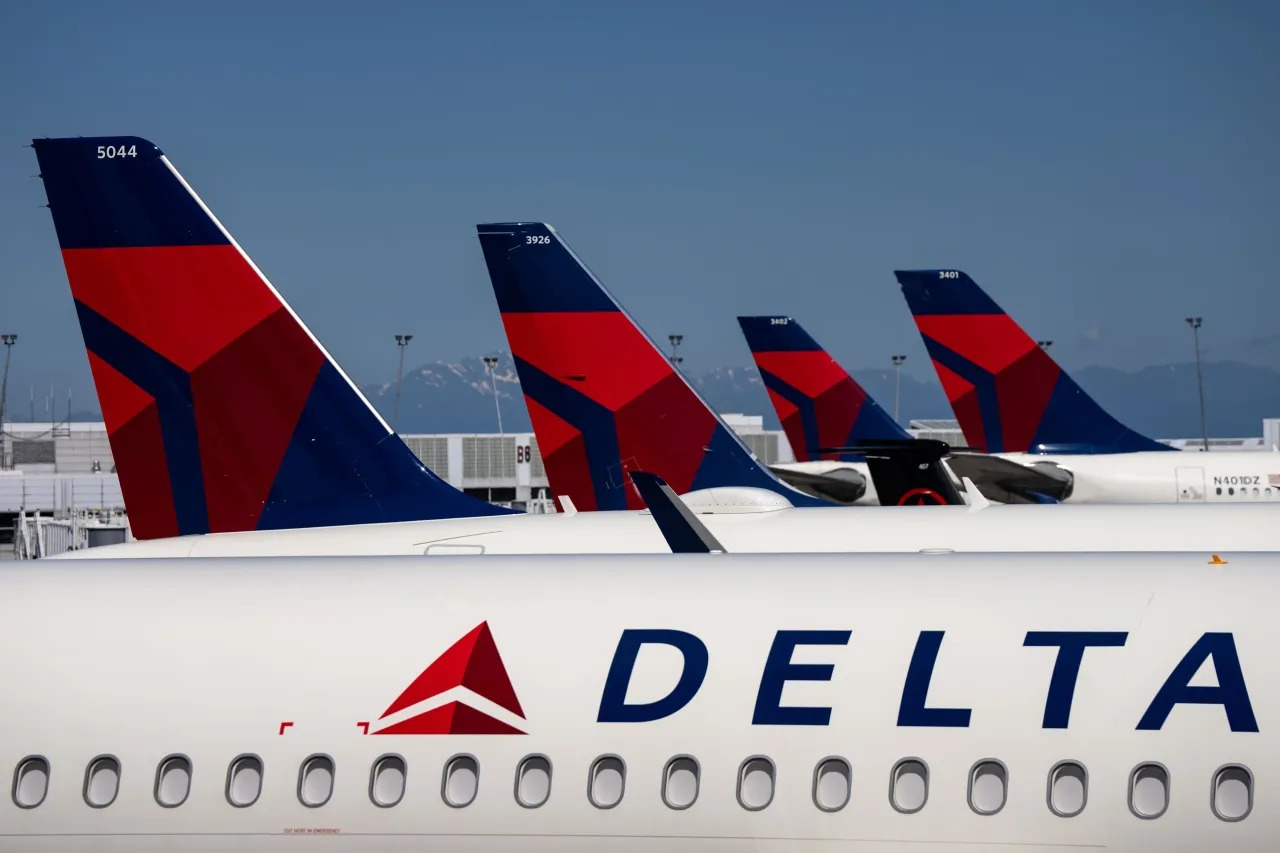
Delta Air Lines indicates that elevated ticket prices are likely to persist, even as global jet fuel costs begin to show signs of easing.ATLANTA — Delta Air Lines, a bellwether for the global aviation industry, provided a forward-looking financial outlook on Friday, July 10, 2026, suggesting that co...
Delta Air Lines indicates that elevated ticket prices are likely to persist, even as global jet fuel costs begin to show signs of easing.
ATLANTA — Delta Air Lines, a bellwether for the global aviation industry, provided a forward-looking financial outlook on Friday, July 10, 2026, suggesting that consumers should not expect immediate relief from high airfare costs. Despite a favorable trend in declining fuel expenses, the carrier signaled that robust demand and operational constraints will likely keep ticket prices firm throughout the remainder of the year.
The airline’s updated outlook comes as a critical signal to the broader travel sector. For months, carriers have justified high prices primarily as a pass-through cost to combat volatile fuel markets. With fuel prices now moderating, Delta’s stance suggests that airline pricing has decoupled from direct energy costs, driven instead by sustained consumer appetite for travel and capacity limitations across the global network.
Pricing Power in a High-Demand Environment
Delta’s leadership highlighted that the structural shift in travel demand—often referred to as the "experience economy"—has fundamentally altered pricing elasticity. Even as fuel costs, historically the largest variable expense for airlines, retreat, the company intends to maintain its current pricing structure to bolster margins and continue necessary investments in fleet modernization.
Industry analysts observe that this trend is not isolated to Delta. Major competitors are expected to adopt similar strategies, prioritizing profitability and debt reduction over aggressive fare cutting. For business and leisure travelers alike, this suggests that the era of "cheap flights" remains distant, as airlines focus on managing capacity to match peak demand rather than engaging in price wars.
Operational Constraints and Capacity
The sustainability of current airfare levels is further supported by lingering supply chain issues. Delta, like other global carriers, continues to face challenges regarding aircraft delivery schedules and a tight labor market for specialized maintenance and flight crews. By keeping capacity growth conservative, the airline is effectively insulating its pricing power from the volatility often associated with an oversupply of seats.
These capacity limitations mean that while the "fuel-as-a-justification" argument for high prices is waning, the "supply-and-demand" argument is gaining strength. Consumers planning late 2026 travel should anticipate that the high costs observed during the first half of the year are likely to remain the baseline for the foreseeable future.
Official Sources
Delta Air Lines Investor Relations: Official forward-looking guidance and quarterly financial outlook released on July 10, 2026.
International Air Transport Association (IATA): Market trend data regarding global jet fuel prices and industry capacity projections for 2026.
Quote Section
"According to officials," the company’s pricing strategy is reflective of the current equilibrium between sustained consumer demand and controlled network capacity. Organizers stated that while the moderation in jet fuel costs is a positive development for the bottom line, it does not necessitate an immediate reduction in ticket prices, given the continued high operational costs and investment requirements.
Why It Matters
For travelers, this outlook indicates that the financial "new normal" for air travel is firmly established. Investors, meanwhile, view this as a positive sign for airline profitability, as it demonstrates the industry's ability to maintain high margins even as input costs stabilize. The broader economy may feel the impact, as sustained high airfare contributes to persistent inflation in the services sector, potentially influencing consumer spending patterns in other leisure industries.
Key Facts at a Glance
Price Forecast: Delta signals that airfare gains are likely to remain firm despite decreasing fuel costs.
Market Driver: Elevated consumer demand and constrained seating capacity across global networks.
Fuel Context: Jet fuel prices are currently trending downward, yet pricing power remains with the carriers.
Sector Impact: Expected to set the tone for pricing trends across the commercial airline industry for the rest of 2026.
FAQ
1. Why aren't ticket prices falling along with fuel costs?
Airlines are citing strong demand and operational capacity constraints, which allow them to maintain higher prices to support margin growth and fleet investments.
2. Should travelers expect cheaper flights later this year?
Delta's outlook suggests that airfare gains will likely hold, meaning travelers may not see significant relief in ticket pricing in the near term.
3. What does this mean for the broader travel market?
This indicates that the current high-cost environment for travel is becoming a standard baseline, influenced more by demand-supply dynamics than by volatile energy prices.
Summary
Delta Air Lines’ latest outlook suggests that high airfare will persist despite easing fuel costs. Driven by robust travel demand and intentional capacity management, the airline aims to maintain current pricing levels, signaling to travelers and investors that the industry is prioritizing margin stability over aggressive price reductions in 2026.
Source: Delta Air Lines Investor Relations, IATA Market Data