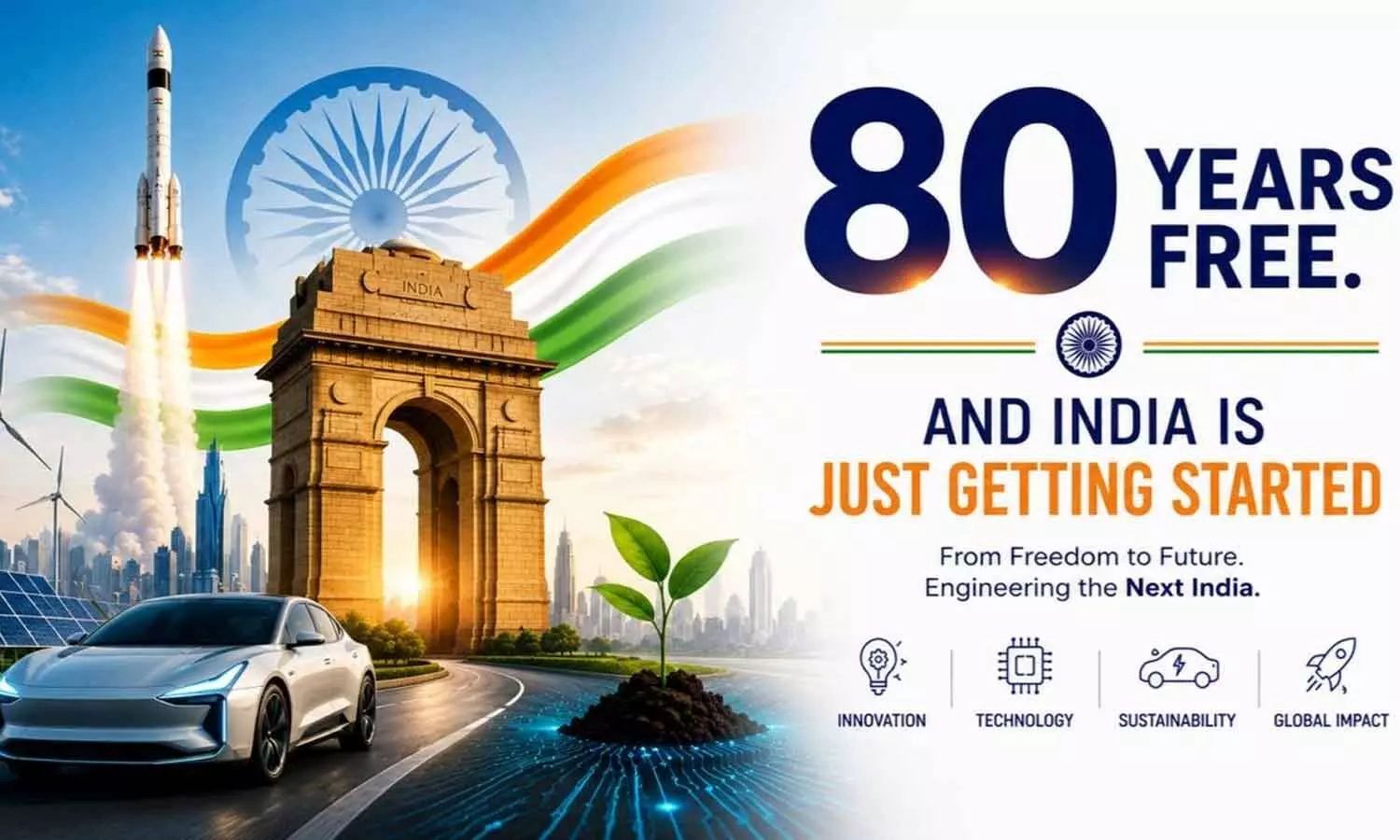
Reflecting on India’s democratic health following its 80th Independence Day milestone, a piercing post-Independence analysis highlights critical structural challenges. Released in early September 2026, the assessment emphasizes the urgent need to address economic hurdles, unemployment, and voter integrity to ensure true democratic viability.
Backed by expert post-Independence commentary, analysts have initiated a comprehensive debate over the nation's institutional resilience, economic hurdles, and civic accountability.
Marking a critical juncture following national independence commemorations, public policy experts and former administrators have intensified discussions regarding the true depth of the country's political structures. According to a piercing analytical evaluation published in early September 2026, observers have turned their focus toward whether 80 years of independence have successfully established a fully robust and democratically viable state.
The evaluation, drawing on insights from seasoned commentators and security veterans, underscores the pressing need to address persistent socioeconomic disparities, structural unemployment, and shifting voter dynamics to protect the integrity of India's democratic framework.
Evaluating Institutional Strength, Voter Accountability, and Economic Realities
Assessing the longevity and robustness of a republic requires scrutinizing how legislative accountability, economic equity, and civic participation interact. According to expert analyses and policy reviews, key focal points include:
Electoral Integrity and Voter Morality: Observers emphasize that true democratic viability requires moving beyond routine ballot participation toward informed, value-based voting insulated from short-term inducements.
Socioeconomic Disparities: Persistent unemployment and income inequality remain critical bottlenecks that hinder marginalized populations from fully engaging in democratic processes.
Institutional Independence: Maintaining the autonomy of investigative, judicial, and legislative bodies is identified as foundational to preserving public trust and constitutional checks and balances.
Bridging Policy and Execution: Analysts argue that bridging the gap between high-level economic growth metrics and grassroots livelihood security is essential for sustainable nation-building.
Why It Matters
The practical implications of evaluating democratic viability extend directly into the daily lives of citizens, the security of local businesses, and the confidence of international investors. For the electorate, demanding structural integrity ensures better public service delivery, transparent administration, and accountability from elected officials. For policymakers, addressing systemic unemployment and governance gaps is paramount to achieving long-term stability and fulfilling the broader promise of a developed nation.
Key Facts at a Glance
Milestone Context: Post-80th Independence Day evaluations of India's governance.
Core Focus Areas: Democratic viability, voter morality, unemployment, and economic equity.
Key Requirement: Strengthening institutional accountability and legislative transparency.
Underlying Goal: Aligning high-level economic expansion with grassroots civil liberties.
FAQ Section
What does "democratic viability" signify in the context of India's 80th anniversary?
It refers to the capacity of India's democratic institutions, political systems, and civic culture to deliver equitable justice, economic opportunity, and accountable governance to all citizens.
Why are experts raising concerns about voter integrity and morality?
Analysts argue that modern electoral processes often face pressures from short-term inducements, necessitating a shift toward conscious, issue-based voting to strengthen grassroots democracy.
How do economic factors impact democratic health?
Persistent challenges such as unemployment and wealth disparity can limit the ability of vulnerable populations to fully exercise their civic rights and participate in national development.
Where can the original analytical commentary on India's democratic health be accessed?
Detailed opinion pieces and editorial analyses are published regularly in regional and national journals, including The Hans India Official Portal.
Source: The Hans India, Press Information Bureau (PIB), Government of India National Portal