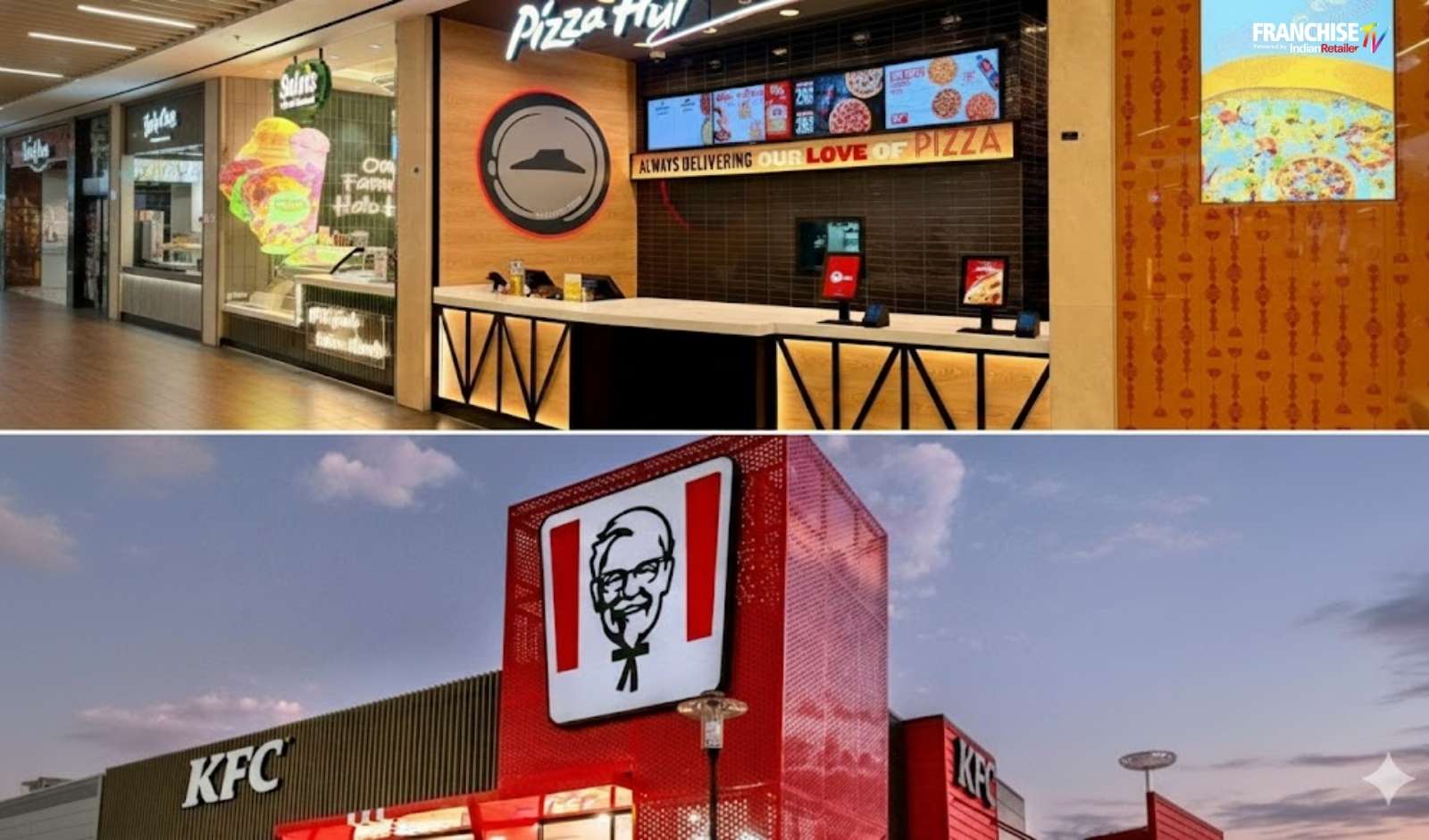
Devyani International, India’s largest Yum! Brands franchisee, implemented marginal price increases at KFC and Pizza Hut to counter rising LPG, wage, and raw material costs. Despite cost pressures, the company reported a nearly fourfold jump in Q1 FY27 net profit to ₹14.7 crore on 16.5% revenue growth.
NEW DELHI, India — Devyani International Limited (NSE: DEVYANI), the primary Indian franchisee operator of US-based Yum! Brands, implemented selective price increases across its flagship KFC and Pizza Hut outlets in a strategic bid to counter persistent input cost pressures and inflationary headwinds. Speaking during an executive commentary on July 29, 2026, corporate management confirmed that marginal menu price revisions were enacted to safeguard operating margins against rising liquefied petroleum gas (LPG) rates, statutory minimum wage adjustments, and fluctuating commodity expenses for poultry, dairy, and edible oils. The decision arrives alongside the company’s first-quarter financial reporting for fiscal year 2027, where strong volume recovery and operational leverage propelled consolidated net profit nearly fourfold despite macroeconomic challenges across the quick-service restaurant (QSR) landscape.
Strategic Price Revisions Aim to Offset Input Inflation
Devyani International’s management revealed that while consumer demand across urban centers remains cost-sensitive, minor price adjustments were essential to cushion gross margins. The quick-service dining sector in India has been contending with sustained volatility in core raw material prices, particularly chicken, cheese, and vegetable fats, which compose the bulk of supply chain expenditure for fried chicken and pizza offerings.
Alongside ingredient inflation, QSR chains have faced higher utility outlays due to LPG price variations and increased labor costs driven by statutory wage hikes in several key state jurisdictions. By opting for calibrated menu price bumps rather than flat across-the-board hikes, the company sought to maintain guest footfall while stabilizing unit economics across its expanding footprint.
Strong Q1 FY27 Financial Performance Supports Expansion
Despite the inflationary environment, Devyani International reported a significant financial rebound for the quarter ended June 30, 2026. Revenue from operations increased 16.5% year-on-year to ₹1,580.5 crore compared to ₹1,357.0 crore in the same period of the prior fiscal year. Consolidated net profit for Q1 FY27 surged nearly fourfold to ₹14.7 crore, up from ₹3.7 crore reported in Q1 FY26.
The company’s flagship brand, KFC, led sales growth with positive same-store sales growth (SSSG) of 3.3%, driven by promotional value meals and strong off-premise delivery orders. Meanwhile, Costa Coffee recorded an SSSG of 10.2%, and homegrown vegetarian brand Vaango delivered 7.1% growth. Consolidated operating earnings before interest, tax, depreciation, and amortization (EBITDA) reached a record ₹255 crore, expanding margins to 16.0%.
Impact on Consumers, Investors, and the QSR Sector
The menu price hikes highlight the delicate balancing act faced by major restaurant chains in passing on cost increases without dampening middle-class discretionary spending.
For Consumers: Diners at KFC and Pizza Hut will experience slight price adjustments on select combo meals and individual menu items. However, value-driven promotions and digital app discounts are expected to soften the direct cost impact for budget-conscious fast-food customers.
For Investors: The strategic price hikes combined with double-digit top-line growth indicate effective cost control and resilient brand equity. Equity analysts view the company's ability to double its net profit margin as a indicator of operational discipline.
For Businesses and Competitors: Devyani’s price recalibration signals that fast-food operators across India may continue adjusting menu pricing to manage persistent supply chain expenses, potentially setting a benchmark for rival regional and international chains.
Official Statements and Corporate Filings
Official disclosures submitted under Regulation 30 of the SEBI (Listing Obligations and Disclosure Requirements) Regulations, 2015, confirmed the business performance metrics to the stock exchanges.
According to company officials, the execution of minor price increases played a vital role in maintaining store-level profitability without diminishing consumer footfalls.
Speaking on the strategic outlook, Ravi Jaipuria, Non-Executive Chairman of Devyani International, stated:
"We begin the new financial year on a strong note. The momentum we built through the second half of FY26—anchored by KFC's strong same-store sales performance—has continued into Q1 FY27."
Management further noted that the proposed mega-merger with Sapphire Foods India Limited remains on schedule for completion by the end of FY27, having received formal 'no-objection' approvals from the National Stock Exchange of India (NSE) and BSE Limited in June 2026.
Why It Matters
Food inflation directly affects household dining budgets and consumer sentiment across urban India. As two of the country's most ubiquitous QSR chains, KFC and Pizza Hut serve millions of customers weekly. Devyani International's decision to recalibrate menu prices reflects broader economic trends affecting the service and hospitality industries, where rising input expenses must be balanced against customer retention. For the wider market, the company's quarter results demonstrate that well-capitalized QSR operators can achieve margin expansion through operational efficiencies, network density, and modest price adjustments even in a high-cost environment.
Key Facts at a Glance
Price Revisions: Devyani International took slight price increases at KFC and Pizza Hut to mitigate inflation in LPG, labor, poultry, and dairy.
Q1 FY27 Revenue: Operational revenue grew 16.5% year-on-year to ₹1,580.5 crore.
Net Profit Growth: Consolidated net profit quadrupled to ₹14.7 crore from ₹3.7 crore in Q1 FY26.
KFC Same-Store Growth: KFC posted positive same-store sales growth (SSSG) of 3.3%.
Global Footprint: Devyani International operates 2,255 outlets globally across 350+ cities.
Frequently Asked Questions (FAQs)
Why did Devyani International increase prices at KFC and Pizza Hut?
Devyani International implemented price increases to mitigate higher operational costs, specifically inflationary pressures on LPG gas prices, statutory wage hikes, and rising prices for key ingredients such as poultry, dairy, and edible oils.
How did Devyani International perform financially in Q1 FY27?
The company reported a strong quarter, with consolidated net profit jumping nearly fourfold to ₹14.7 crore and operational revenue expanding 16.5% year-on-year to ₹1,580.5 crore.
Which fast-food brands are operated by Devyani International in India?
Devyani International is the largest franchisee for Yum! Brands in India, operating KFC and Pizza Hut outlets. It also operates Costa Coffee, Vaango, Biryani by Kilo, Tea Live, New York Fries, and Sanook Kitchen.
Is the merger between Devyani International and Sapphire Foods still happening?
Yes. Devyani International confirmed that its proposed merger with Sapphire Foods India Limited is progressing as planned, with stock exchange approvals received from BSE and NSE, targeting final completion by the end of FY27.
Source: Official regulatory disclosures filed with the National Stock Exchange of India (NSE) and BSE Limited, along with corporate earnings releases from Devyani International Limited and regulatory updates from the Ministry of Finance.