The Democratic Republic of Congo has banned exports of copper and cobalt concentrates with immediate effect to compel local processing. An interministerial order also mandates immediate declarations of mining by-products under a new valuation tax regime taking full effect in three months, with one-year waivers available for strategic exceptions.
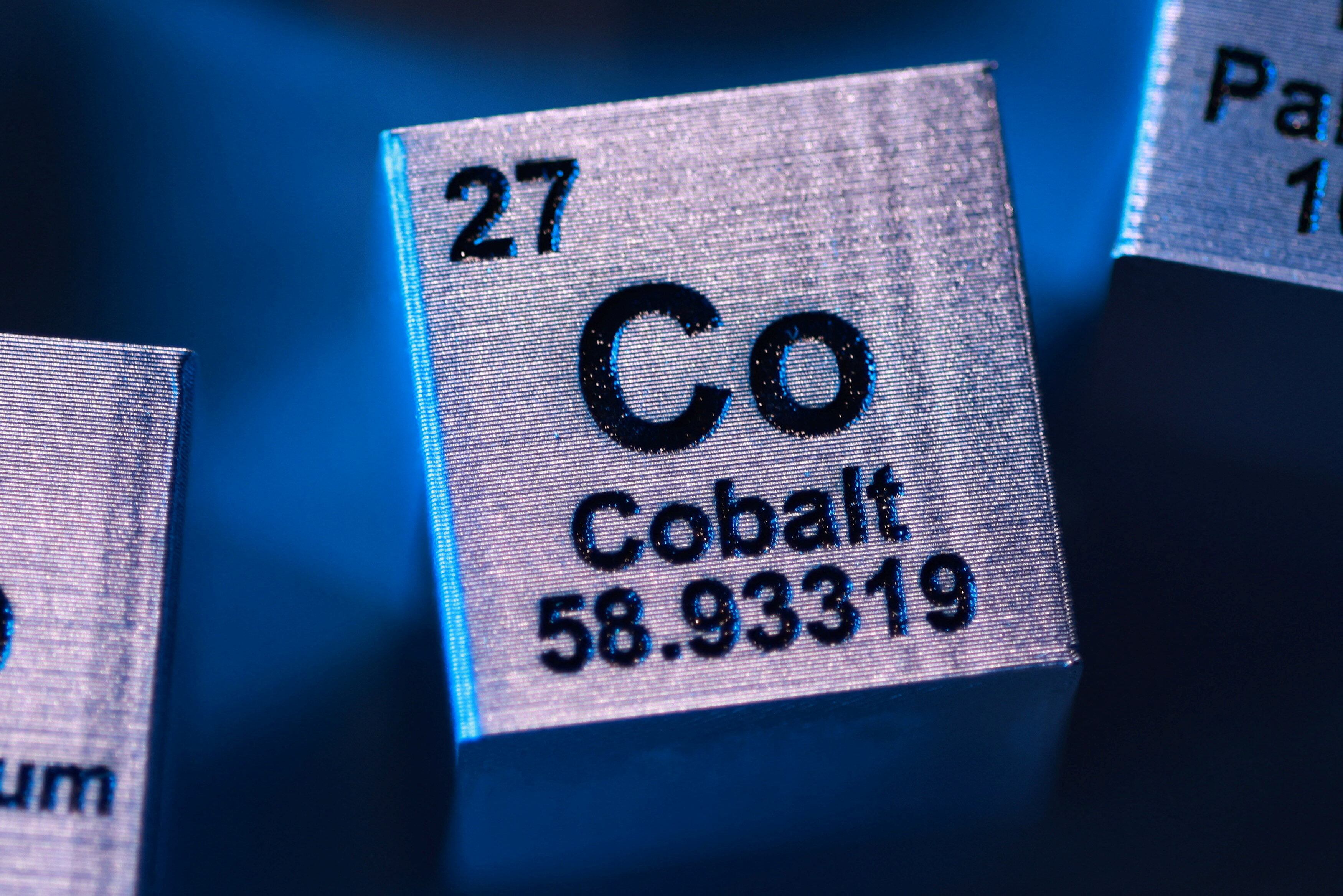
KINSHASA — The Democratic Republic of Congo has officially banned all exports of copper concentrate and cobalt concentrate, marking a significant escalation in its long-standing campaign to mandate in-country processing and retain greater economic value from its critical mineral wealth.
According to an official government decree dated June 29, 2026, and reviewed by Reuters on August 6, 2026, the central government has prohibited the outward shipment of unrefined copper and cobalt concentrates with immediate effect. Signed jointly by Mines Minister Louis Kabamba Watum, Foreign Trade Minister Julien Paluku Kahongya, and Economy Minister Daniel Mukoko Samba, the ministerial order enacts sweeping changes to the regulatory and fiscal framework governing the nation’s mining sector.
In tandem with the export freeze, Kinshasa introduced a new tax regime targeting economically significant mining by-products through a standardized valuation coefficient system. While the export ban on raw concentrates takes effect immediately, miners have been granted a three-month transition window before the new by-product tax framework becomes fully enforceable. However, the government order stipulates that mining companies must begin declaring all export-bound by-products immediately.
Regulatory Framework and Strategic Exemptions
The administrative directive reflects Kinshasa's determination to end the practice of shipping raw, unrefined mineral concentrates to overseas smelters and refineries. The Democratic Republic of Congo ranks as the world’s leading producer of cobalt—a vital element in lithium-ion batteries for electric vehicles and electronics—and the world’s second-largest supplier of copper.
Under the terms of the decree, the export ban applies across all mining operations in the country. However, the regulatory decree grants discretion to the Mines Minister to issue temporary, one-year export waivers under exceptional or "strategic" circumstances. These discretionary waivers offer a potential safety valve for mining operators facing local energy bottlenecks or processing capacity constraints.
The accompanying tax framework introduces a valuation coefficient designed to capture tax revenue on secondary elements present in copper and cobalt ores. Mining companies frequently extract valuable trace metals—such as germanium, gallium, and silver—during primary processing, which historically escaped targeted taxation. Under the new policy, all such by-products must be fully cataloged in export filings right away.
Impact on Global Supply Chains and Foreign Mining Operators
The sudden enforcement of the concentrate ban creates immediate operational considerations for international mining giants operating in the copper-rich Katanga region. Major global miners active in the DRC include China’s CMOC Group (the world’s largest cobalt producer), Glencore, Zijin Mining, Huayou Cobalt, Ivanhoe Mines, and Eurasian Resources Group (ERG).
While several major operators have invested in domestic smelting and cathode refining facilities in recent years, a portion of output remains in concentrate form due to power infrastructure constraints. Industry analysts expect that global metal markets, battery manufacturers, and automotive supply chains will closely monitor how strictly the government enforces the prohibition and whether minister-granted waivers will be widely utilized.
For international investors and commodity traders, the policy shift underscores growing resource nationalism across mineral-rich African nations. By compelling companies to build value-addition infrastructure within national borders, the DRC aims to capture higher tax receipts, generate skilled industrial jobs, and power local economic development.
Official Sources Section
The information in this report is based on official government documentation released by the Ministry of Mines, Ministry of Foreign Trade, and Ministry of Economy of the Democratic Republic of Congo.
Government Order: Interministerial Decree dated June 29, 2026.
Signatories: Minister of Mines Louis Kabamba Watum, Minister of Foreign Trade Julien Paluku Kahongya, Minister of Economy Daniel Mukoko Samba.
Regulatory Body: Ministry of Mines, Kinshasa, Democratic Republic of Congo.
Official Statement and Market Context
According to officials from the DRC Ministry of Mines, the measures are intended to optimize state revenue from mineral extraction and ensure that the nation receives fair market value for its natural resources.
"The export of copper and cobalt concentrates is prohibited," the interministerial decree states, establishing an immediate cessation of raw concentrate exports unless explicit minister-approved waivers are granted. Authorities emphasized that mandatory immediate declarations of mining by-products are necessary to prevent revenue leakage prior to the full implementation of the tax coefficient regime in three months.
Why It Matters
The Democratic Republic of Congo's policy enforcement carries far-reaching consequences for the global energy transition:
Global Battery Supply Chains: As the supplier of roughly 70% of the world's cobalt and a primary supplier of copper, any disruption or policy shift in the DRC directly affects electric vehicle manufacturers and electronics producers worldwide.
Industrial Refining Capacity: Forced domestic processing will require substantial capital investment in regional smelting facilities, placing greater demands on the country's electrical grid.
Fiscal Revenue Boost: The new valuation coefficient ensures the Congolese treasury captures tax dollars on valuable by-product metals that previously passed through export channels untaxed.
Key Facts at a Glance
Export Ban: Immediate prohibition on all exports of raw copper and cobalt concentrates.
New Tax Regime: Implementation of a valuation coefficient for economically significant mining by-products.
Implementation Timelines: Concentrate export ban takes effect immediately; tax framework transitions over three months, but by-product declarations are required right away.
Waiver Clause: The Mines Minister holds authority to grant 1-year temporary export waivers for strategic reasons.
Key Operators Impacted: CMOC Group, Glencore, Ivanhoe Mines, Zijin Mining, Huayou Cobalt, and ERG.
Frequently Asked Questions
What has the DR Congo government officially announced?
The DRC government has issued an interministerial order prohibiting the export of copper concentrate and cobalt concentrate to encourage domestic processing. It also created a new tax regime on mining by-products.
When do the new regulations take effect?
The export ban on copper and cobalt concentrates takes effect immediately. Mining companies must begin declaring export by-products immediately, while the full tax calculation regime will take effect after a three-month transition period.
Are there any exceptions to the copper and cobalt concentrate export ban?
Yes. The Minister of Mines retains the authority to grant one-year export waivers under specific "strategic" circumstances.
Why is the DRC banning concentrate exports?
The government aims to force foreign mining companies to refine minerals locally within the country, creating domestic jobs, building industrial infrastructure, and capturing higher tax revenues.
Source: Ministry of Mines - Democratic Republic of Congo | Official Interministerial Decree (Mines, Foreign Trade, Economy)