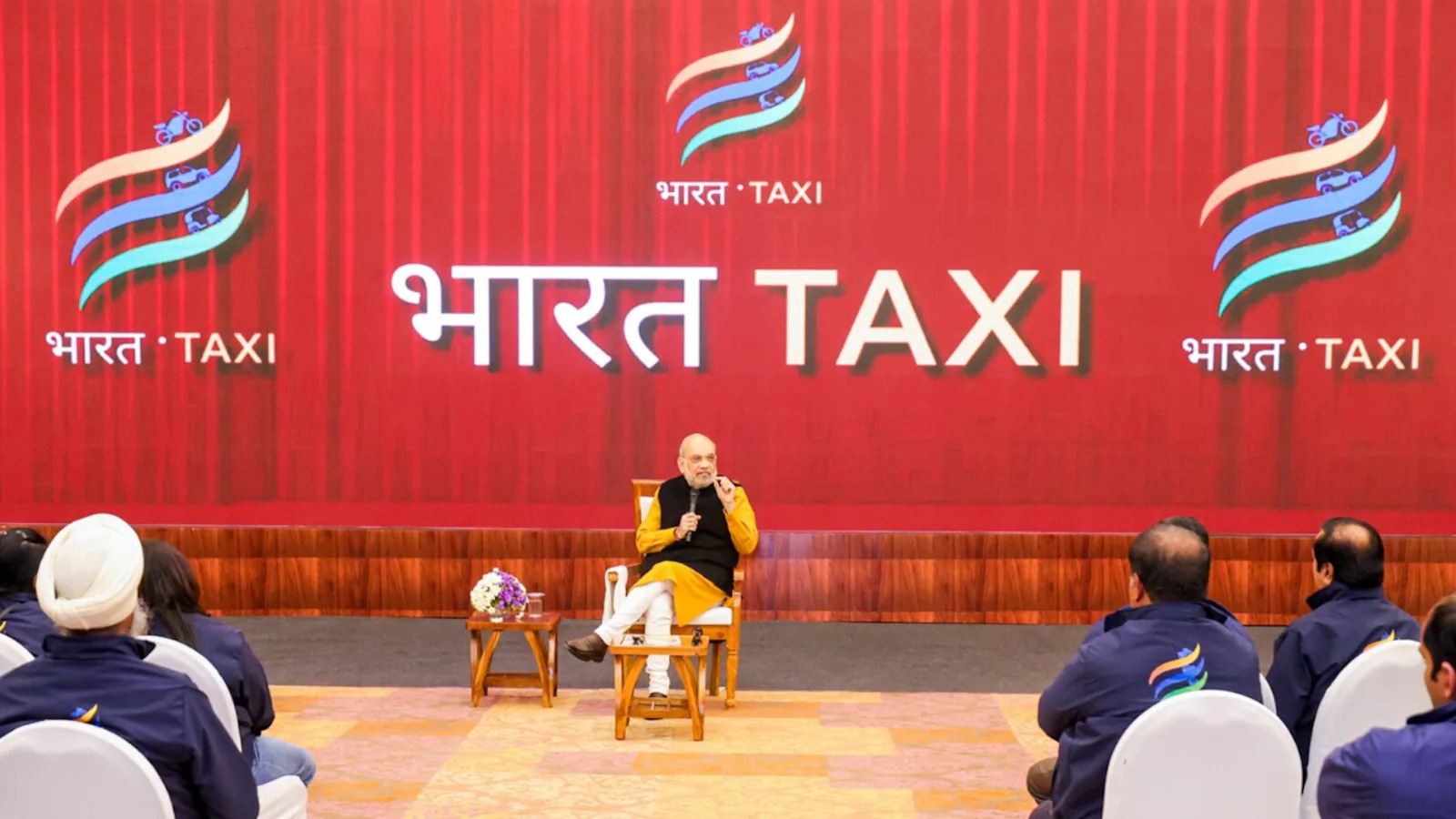
Bharat Taxi has expanded rapidly, registering nearly 8 lakh drivers and 41 million customers across multiple Indian cities. Backed by major cooperative institutions, the zero-commission ride-hailing platform ensures full fare retention for drivers and transparent pricing for commuters, targeting a complete nationwide rollout by 2029.
NEW DELHI — India’s indigenous, cooperative-based ride-hailing initiative, Bharat Taxi, has rapidly scaled its operational footprint, registering nearly 8 lakh drivers—locally referred to as Sarathis—and approximately 41 lakh customers across multiple urban centers. Disclosed in official administrative updates in August 2026, the milestone highlights the accelerating adoption of a zero-commission, cooperative alternative to traditional private cab aggregators.
Currently operational in key regions including Delhi-NCR, Mumbai, Gujarat, Lucknow, Chandigarh, Jaipur, Kanpur, and Pune, the platform is engineered to reshape urban mobility. Backed by premier national cooperative institutions, Bharat Taxi combines digital convenience with equitable stakeholder economics, ensuring driver welfare and transparent, surge-free pricing for commuters.
Cooperative Model and Zero-Commission Framework
Operating under a distinct multi-state cooperative framework, Bharat Taxi addresses core structural grievances associated with conventional ride-hailing networks. Traditional private aggregators routinely deduct high commission percentages ranging from 20% to 30% from driver earnings. In contrast, Bharat Taxi employs a sustainable zero-commission and surge-free model, enabling drivers to retain full fare earnings.
Additionally, drivers participate as true co-owners by purchasing cooperative shares, aligning long-term financial security with platform growth. Commuters benefit from transparent distance- and time-based fares without unpredictable peak-hour surcharges, fostering an equitable ecosystem for both passengers and transport providers.
National Rollout and Strategic Urban Expansion
To build upon its current momentum, the cooperative has outlined a phased rollout strategy designed to achieve complete nationwide presence by 2029. Following successful urban penetration in western and northern tiers—such as over 30,000 drivers and nearly 7 lakh customers joining in Jaipur alone—upcoming expansion phases will target metropolitan centers including Patna, Ranchi, Guwahati, Bhopal, Kolkata, Indore, and Nagpur.
The platform's institutional backing by prominent entities like the National Cooperative Development Corporation (NCDC), NABARD, and dairy major Amul ensures strong baseline credibility, low-cost marketing integration, and robust social security frameworks encompassing accident and health coverage for registered Sarathis.
Official Sources Section
According to official background releases, parliamentary updates, and operational reviews published by the Press Information Bureau (PIB) and the Ministry of Cooperation, Government of India, Bharat Taxi operates under the Multi-State Cooperative Societies Act. Official disclosures verify cumulative user adoption metrics recorded across active municipal jurisdictions.
"According to officials, the platform aims to achieve a nationwide presence by 2029 through a progressive, phase-wise rollout, extending cooperative-based ride-hailing services to cities across the country."
Why It Matters
The rapid scaling of cooperative digital platforms introduces viable market alternatives that protect gig workers from exploitative fee structures while keeping consumer fares affordable. By integrating public digital infrastructure with member-owned governance, Bharat Taxi sets a precedent for inclusive economic growth and reliable urban transport across India.
Key Facts at a Glance
Platform Name: Bharat Taxi (Sahakar Taxi Cooperative Ltd)
Registered Drivers (Sarathis): Nearly 8 Lakh
Registered Customers: Approximately 41 Lakh
Core Business Model: Zero-commission, surge-free, cooperative ownership
Target Expansion: Full nationwide presence by 2029
FAQ Section
What makes Bharat Taxi different from conventional ride-hailing apps?
Bharat Taxi operates on a zero-commission cooperative model where drivers retain full fare earnings, buy shares as co-owners, and provide surge-free pricing for riders.
How many drivers and customers have joined the platform?
As of recent official data, the platform has registered nearly 8 lakh drivers and around 41 lakh customers across multiple cities.
Where is Bharat Taxi currently operational?
Services are active in Delhi-NCR, Mumbai, Gujarat, Lucknow, Chandigarh, Jaipur, Kanpur, and Pune, with upcoming launches planned for Kolkata, Patna, Bhopal, and other major cities.
What is the long-term expansion goal for the platform?
The cooperative aims to execute a phase-wise rollout achieving comprehensive nationwide presence across India by 2029.
Source: Press Information Bureau Official Releases, Ministry of Cooperation Government Reports, DD India Public Broadcast Portal