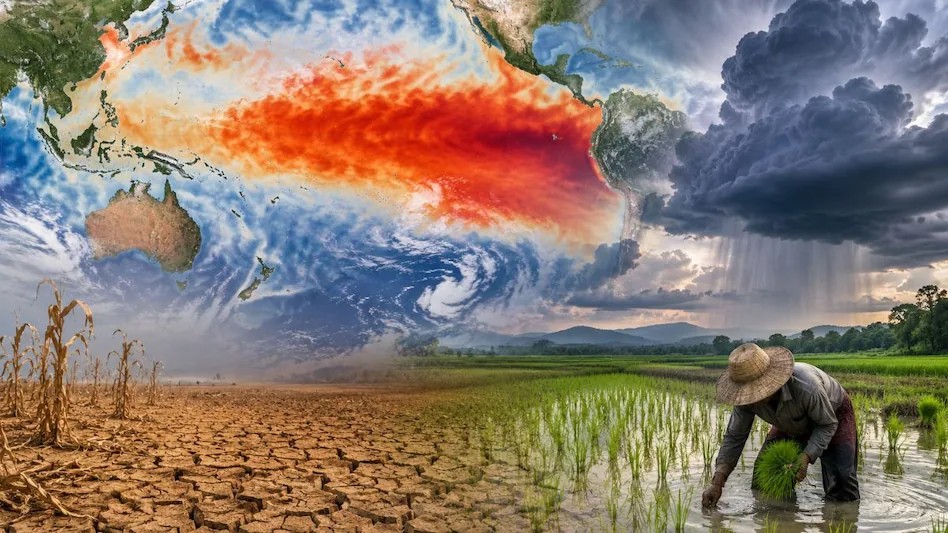
The resurgence of the El Nino weather pattern threatens to reduce India sugarcane production due to weaker monsoon rainfall across major growing regions. The projected drop in crop yields could lead to higher domestic prices, potential export limits, and supply challenges for the national ethanol blending initiative.
NEW DELHI, India — A resurgent El Nino weather phenomenon is threatening to reduce India sugarcane production during the current agricultural cycle, raising concerns over lower crop yields, tighter global export restrictions, and rising retail domestic sweetener prices. The meteorological shift arrives as agricultural monitoring agencies warn of uneven southwest monsoon rainfall distributions across the subcontinental mainland.
The climate development, analyzed by state commodity agencies in New Delhi, comes at a critical time for the rural economy. With the agricultural sector supporting millions of smallholder farmers across major growing regions, lower crop volumes could lead to supply imbalances, impacting ethanol blending targets, beverage manufacturing costs, and global commodity markets.
Technical Mechanisms of Climate Stress on Crop Yields
According to official research bulletins published by regional agricultural ministries, the warming of sea surface temperatures in the central and eastern Pacific Ocean—the defining characteristic of El Nino—directly correlates with weak monsoon distributions over South Asia. Indian sugarcane cultivation relies heavily on consistent rainfall during its intensive vegetative growth phase, which typically peaks between June and September.
Because sugarcane is a long-duration, water-intensive crop that takes 10 to 12 months to mature, a lack of rainfall during critical periods can stunt stalk development and reduce juice extraction percentages. Agricultural extension officers report that underground water tables in key growing regions have dropped below normal seasonal averages, forcing rural farming operations to rely on expensive diesel-powered irrigation setups to keep their fields hydrated.
Regional Disparities Across Principal Production Belts
Field reports published by domestic agricultural tracking desks point to a noticeable divide in the climate impact affecting the country's primary sugarcane cultivation zones:
The Sub-Tropical Northern Belt: States like Uttar Pradesh have fared relatively well due to robust state-backed canal networks and high groundwater tables, which help cushion fields against prolonged heatwaves.
The Tropical Southern and Western Belt: Key production zones across Maharashtra and Karnataka face sharper challenges, as a lack of seasonal rainfall has left regional reservoirs depleted, threatening both overall crop volume and ratoon crop yields.
Market analysts note that the tropical southern region produces a significant percentage of the country’s high-yield cane. Consequently, any prolonged water scarcity in these states could quickly lower national production totals, even if northern states manage to hit their output goals.
Market Impacts on Consumers, Mills, and Alternative Energy
The projected dip in India sugarcane production introduces practical challenges across several domestic business sectors:
Consumer Retail and Food Businesses: Confectioners, soft drink brands, and household consumers will likely face higher wholesale costs if mills raise prices to balance lower raw material volumes.
Sugar Mills and Industrial Processing: Processing plants may face shorter crushing seasons and higher overhead costs per metric ton if cane deliveries drop below capacity.
The Energy and Biofuels Sector: Lower cane output could restrict the availability of molasses and cane juice for distillation, potentially delaying the government’s timeline for its national 20% ethanol-blended gasoline program.
Official Sources Section
The production metrics, climate forecasts, and crop risk assessments were compiled from official public releases issued by the Ministry of Agriculture and Farmers Welfare, the India Meteorological Department (IMD), and seasonal production reports published by the Indian Sugar Mills Association (ISMA).
Quote Section
"According to officials, state monitoring groups are closely tracking weekly reservoir volumes in the western economic belt to ensure adequate emergency water resources can be redirected to high-density agricultural clusters if necessary."
"Organizers stated that while the current climate pattern introduces clear challenges, improved agricultural training and the wider adoption of drip irrigation could help insulate early-maturing cane varieties from severe yield losses."
Why It Matters
A significant drop in domestic sugarcane output could shift global trade dynamics. As a major global supplier, any export restrictions India implements to protect its domestic market can trigger price increases on international commodity exchanges. Furthermore, prioritizing sugarcane for food security over fuel production could slow down the transition toward green biofuels, demonstrating the clear link between climate variability and energy security.
Key Facts at a Glance
Primary Climate Risk: The El Nino weather pattern is disrupting monsoon rainfall, threatening overall India sugarcane production targets.
Vulnerable Production Belts: Major growing regions in Maharashtra and Karnataka face a higher risk of yield reductions due to low reservoir levels.
Industrial Spillover: Tighter raw material supplies could reduce the availability of cane byproducts needed for the national ethanol blending program.
Economic Footprint: The potential crop shortage impacts supply chains for retail food manufacturers, milling operations, and rural farming communities.
FAQ Section
How exactly does the El Nino phenomenon impact Indian agriculture?
El Nino causes an unusual warming of Pacific waters, which typically weakens the southwest monsoon over India, leading to below-average rainfall and higher temperatures during critical summer planting cycles.
Will a drop in sugarcane production lead to a domestic sugar shortage?
While a absolute shortage is unlikely due to existing state-mandated buffer stocks, lower production could cause wholesale and retail prices to rise, prompting the government to limit exports to stabilize the local market.
How does lower sugarcane output affect the green energy sector?
Sugar mills use cane juice and B-heavy molasses to produce ethanol for fuel blending. A drop in cane volumes reduces these processing inputs, making it more difficult to meet national biofuel blending goals.
Source: Ministry of Agriculture and Farmers Welfare of India, India Meteorological Department Official Portal, Indian Sugar Mills Association Research Library.