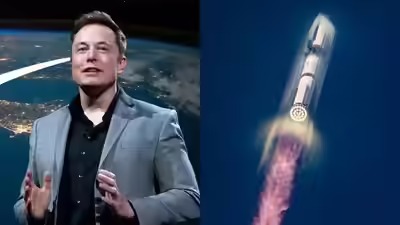
Billionaire Elon Musk's aerospace conglomerate SpaceX is heavily betting on unproven orbital technologies, including football-field-sized data centers in space and advanced artificial intelligence integration. Regulatory filings reveal massive capital expenditures dedicated to these experimental systems as the newly public company navigates multi-billion-dollar losses and high investor expectations.
NEW YORK — Billionaire entrepreneur Elon Musk is directing his aerospace and satellite conglomerate, SpaceX, into a high-stakes gamble centered on unproven space-based artificial intelligence infrastructure. Following its blockbuster initial public offering (IPO) on the Nasdaq exchange, regulatory disclosures and public statements show that the company is aggressively committing capital to unverified technologies, including orbital data centers and automated cosmic processing arrays.
According to official S-1 financial filings submitted to the U.S. Securities and Exchange Commission (SEC), the pivot involves merging Musk’s artificial intelligence venture, xAI, directly into the corporate structure of SpaceX. The strategy aims to bypass terrestrial power grid constraints by launching massive computing nodes into Earth orbit, a concept that financial analysts and aerospace engineers note has never been tested at scale.
Technical Ambitions and Unverified Systems
The centerpiece of this strategic shift relies on deploying energy-intensive AI hardware into the harsh environment of space. While SpaceX has achieved historic milestones in reusable rocket boosters and satellite internet delivery via Starlink, its newest roadmap ventures into uncharted technical territory.
| Project / Strategic Focus | Proposed Operational Scope | Technical and Market Risk |
| Orbital Data Centers | Football-field-sized computing arrays in space | Untested resilience against cosmic radiation, solar flares, and thermal shock |
| xAI Integration | Merging Grok and AI workloads into the corporate framework | Heavy capital burn and intense competition with established AI entities |
| Starship Heavy Lift | Fully reusable mega-rocket platform for deep space logistics | High complexity in rapid turnaround, orbital refueling, and booster recovery |
| Interplanetary Logistics | Establishing long-term human settlements on Mars | Absence of viable terraforming or life-support technology for permanent colonies |
Regulatory filings explicitly caution prospective shareholders regarding these unproven parameters. The corporate prospectus notes that the conditions of space on such AI infrastructure have not been tested by SpaceX or any other commercial entity, warning that component failures could result in permanent capacity loss due to the absence of on-site technical maintenance.
Financial Realities and Capital Burn
The pivot toward unproven technology coincides with widening financial deficits. Financial disclosures indicate that despite generating substantial revenues from its commercial launch and Starlink operations, the conglomerate posted multi-billion-dollar net losses driven primarily by heavy spending on artificial intelligence infrastructure development.
Market analysts tracking the aerospace and technology sectors point out that the company's multi-trillion-dollar valuation relies heavily on speculative projections rather than near-term profitability. Institutional investors remain divided over whether unproven space-based computing concepts can successfully transition from science fiction to revenue-generating operational reality.
Official Sources Section
Details regarding corporate valuations, capital expenditures, and risk disclosures are sourced directly from regulatory filings submitted to the U.S. Securities and Exchange Commission (SEC) by SpaceX, alongside public corporate statements and trading summaries published by the Nasdaq Stock Market.
Quote Section
"According to official SEC filings and corporate disclosures, the company acknowledges that the operational conditions of space on advanced artificial intelligence infrastructure have not been tested by SpaceX or any other organization, carrying inherent technical and financial risks."
Why It Matters
The aggressive push into unproven space technologies carries wide-ranging practical implications:
For Public Market Investors: Exposes shareholders to extreme volatility tied to speculative, long-horizon technology bets rather than traditional aerospace metrics.
For the Tech Industry: Signals a potential paradigm shift toward off-world computing hubs if terrestrial data centers face insurmountable power and cooling constraints.
For Global Telecommunications: Deepens reliance on the rapid scaling and reliability of the Starlink satellite network and heavy-lift Starship vehicles.
For Regulatory Bodies: Highlights growing oversight challenges as private entities merge aerospace operations with frontier artificial intelligence systems.
Key Facts at a Glance
Strategic Pivot: SpaceX has integrated xAI to anchor its future on orbital artificial intelligence infrastructure.
Technical Risk: Orbital data centers face unverified exposure to solar radiation, micro-meteorites, and thermal extremes.
Financial Scale: The corporate expansion is backed by capital from a historic public market offering alongside significant operational net losses.
Core Dependency: Nearly all futuristic operational goals depend on the complete technical success of the reusable Starship launch system.
Frequently Asked Questions (FAQ)
What unproven technology is Elon Musk pursuing through SpaceX?
SpaceX is investing heavily in unverified orbital data centers, space-based artificial intelligence processing arrays, and large-scale interplanetary colonization infrastructure.
Why are financial analysts concerned about these new ventures?
Analysts point out that placing sensitive AI hardware in orbit has never been tested, and the extreme capital expenditures required are currently outpacing operational cash flows.
How does the integration of xAI affect SpaceX's business model?
By folding xAI into its corporate structure, SpaceX has transformed from a pure-play rocket and satellite provider into an artificial intelligence and space infrastructure conglomerate.
Where can investors review the official risk disclosures for these projects?
Complete risk factors, financial statements, and operational projections are available in the public S-1 registration documents filed with the U.S. Securities and Exchange Commission (SEC).
Source: Regulatory filings submitted to the U.S. Securities and Exchange Commission (SEC), market summaries from the Nasdaq Stock Market, and corporate disclosures provided by SpaceX.