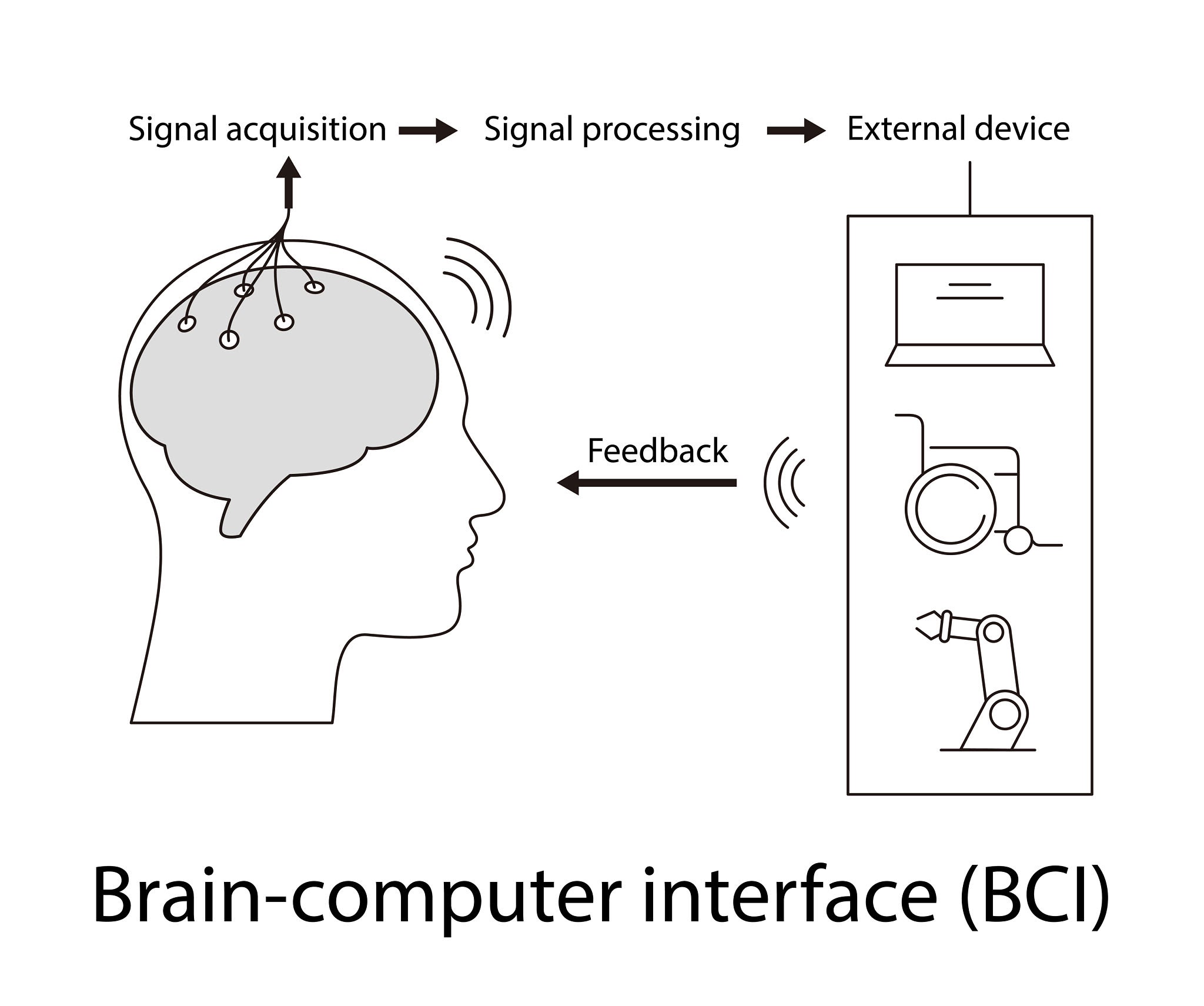
The FDA has granted clearance to expand multi-center clinical trials for advanced brain implants across the United States. Aimed at restoring digital autonomy to paralyzed individuals, these upcoming studies will evaluate the safety and signal reliability of high-bandwidth brain-computer interfaces, paving the way for regular commercial medical application.
WASHINGTON — The U.S. Food and Drug Administration (FDA) has officially granted regulatory clearance to expand human clinical trials for next-generation brain implants, marking a critical step forward in the commercialization of brain-computer interfaces (BCIs). The federal directive allows specialized neurotechnology firms, including Synchron, Neuralink, and Paradromics, to transition from single-site safety feasibility studies into multi-center pivotal trials.
The regulatory milestone establishes a standardized framework for testing high-bandwidth neural devices on patients experiencing severe paralysis, amyotrophic lateral sclerosis (ALS), or spinal cord injuries. It represents a major shift toward integrating advanced medical robotics into mainstream rehabilitative medicine.
Technical Advances in Microelectrode Arrays
The newly authorized multi-center clinical trials will focus on verifying the long-term safety, data bandwidth, and signal stability of brain implants designed to translate thoughts into digital commands. Unlike early neural interfaces, which required thick, wired connections through the skull, modern medical architectures rely on low-power telemetry and flexible biocompatible substrates to protect brain tissue.
According to technical specifications filed with federal regulators, the industry is split between two primary surgical and anatomical integration methodologies:
Endovascular Stent-Based Implants: Deployed via the jugular vein into the brain's motor cortex without requiring traditional open-skull surgery. This approach minimizes the risk of direct brain tissue scarring but operates with lower overall data bandwidth.
Intracortical Penetrating Arrays: Inserted directly into the outer layers of the cerebral cortex using robotic surgical systems. These devices feature thousands of microscopic electrodes that capture high-density signals from individual neurons, though they carry higher surgical risk.
The primary objective of these upcoming studies is to demonstrate that these tiny electrode networks can withstand the brain's natural immune responses for more than 24 months without losing signal clarity.
Institutional Trial Metrics and Timelines
Data compiled from active trial protocols registered with the National Institutes of Health (NIH) show a notable rise in private capital allocation and patient enrollment targets across the neurotechnology sector.
| Developer Organization | Implant Method | Electrode Count | Target Patient Enrollment | Primary Clinical Endpoint |
| Synchron Inc. | Endovascular Stentrode | 16 Channels | 50 Patients | Hands-free digital texting and digital environment control. |
| Neuralink Corp. | Direct Intracortical Threads | 1,024 Channels | 35 Patients | High-speed cursor control and robotic prosthetic manipulation. |
| Paradromics Inc. | High-Density MuA Array | 1,600 Channels | 20 Patients | Real-time speech reconstruction from neural thought patterns. |
Socio-Economic Impact and Ethics in Neurotechnology
The expansion of FDA-regulated trials introduces important compliance and market dynamics for healthcare networks, life-sciences investors, and insurance providers. If these devices meet their primary efficacy targets, insurance groups will face growing pressure to design reimbursement codes for neuro-prosthetic procedures, which are currently projected to cost over $100,000 per implementation.
For individuals living with motor disabilities, the real-world impact centers on regaining personal autonomy. By bypassing damaged spinal pathways, brain implants allow users to interact with smart-home systems, manipulate mechanical wheelchairs, and return to the workforce through digital communication tools without requiring physical assistance.
Official Sources Section
The scientific parameters, patient enrollment limits, and regulatory updates presented in this report are verified by formal clinical trial announcements posted to the U.S. National Institutes of Health Registry.
The administrative criteria are governed under safety guidelines established by the U.S. Food and Drug Administration (FDA) Neurological Devices Panel, with additional research support coordinated through the Defense Advanced Research Projects Agency (DARPA) Next-Generation Nonsurgical Neurotechnology program.
Executive Commentary
"According to officials reviewing the expanded trial applications, the priority is verifying that high-bandwidth brain implants can maintain precise long-term operation without causing chronic inflammation or local cellular degradation in human brain tissue."
Why It Matters
For medical engineering, the scaling of human trials indicates that the boundary between human biological thought and machine execution is rapidly closing.
By translating neural intent directly into machine code, these systems do more than just restore basic motor skills—they pave the way for a major shift in how humans interact with computers. This development will force regulatory bodies to establish clear frameworks for long-term neural data privacy, cyber-security protections for medical implants, and equitable access to life-changing cognitive assistive technologies.
Key Facts at a Glance
Regulatory Step: The FDA has authorized expanded multi-center human clinical trials for commercial brain implants.
Technological Focus: Studies will test the long-term biostability of high-density electrode arrays in human tissue.
Avenue of Entry: Methods under review range from minimally invasive vascular stentrodes to surgically implanted intracortical threads.
Primary Patient Profile: Recruiting individuals living with severe paralysis, spinal cord injuries, or advanced ALS.
Core Goal: Achieving reliable, hands-free computer control and speech synthesis directly from neural signals.
Frequently Asked Questions (FAQ)
How do brain implants transmit data out of the skull?
Modern neural devices utilize embedded wireless telemetry modules that transmit captured brain signals through the skin to external processing units, such as a smartphone or computer, using low-power radio frequencies.
Are open-skull surgeries required for all neural devices?
No. Endovascular approaches allow doctors to guide micro-electrode stents through blood vessels directly into the brain's vascular pathways, completely avoiding traditional open craniotomies.
What are the main health risks associated with neural implants?
The primary medical risks include immediate post-surgical infections, localized tissue inflammation, and the potential for biological scarring that can degrade signal quality over time.
How do these systems translate thoughts into text?
Advanced machine learning algorithms analyze real-time firing patterns from rows of electrodes, matching distinct neural signatures with intended movements, such as typing or moving a digital cursor.
When will these neurological devices be available to the general public?
The devices remain restricted to authorized clinical trial participants. Broader market availability depends on successful results from multi-year pivotal trials and subsequent commercial clearance from the FDA.
Source: U.S. Food and Drug Administration Medical Device Center, National Institutes of Health Clinical Database