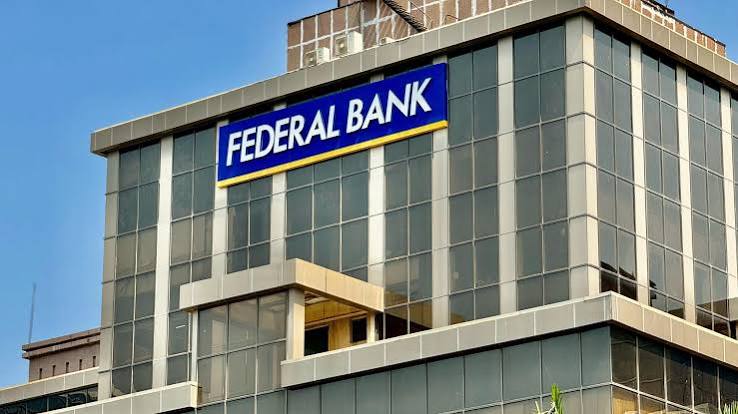
The Federal Bank Limited is evaluating a diverse fundraising strategy through debt instruments, including AT1, Tier II, ESG-linked notes, and Masala bonds. This move is aimed at strengthening the bank's capital position, supporting credit growth, and diversifying its investor base in alignment with regulatory and sustainability standards.
The Federal Bank Limited has scheduled a board meeting to deliberate on a comprehensive fundraising plan, according to internal company communications. The bank is exploring a diverse range of debt instruments to strengthen its capital adequacy and support its expanding credit portfolio. Among the instruments under consideration are Additional Tier I (AT1) bonds, Tier II subordinated debt, Environmental, Social, and Governance (ESG) compliant notes, and foreign currency-denominated instruments such as Masala bonds.
The proposal to tap into these diverse funding channels underscores the bank's strategy to optimize its liability profile and leverage favorable market conditions in the Indian debt landscape.
Diversifying Capital Sources
By considering a mix of conventional and specialized debt instruments, The Federal Bank aims to tap into different segments of the investor base. The inclusion of ESG-linked instruments reflects a growing trend among Indian financial institutions to align their funding activities with sustainable development goals, while Masala bonds—rupee-denominated debt issued in overseas markets—could offer the bank an avenue to diversify its funding sources beyond domestic borders.
The bank’s leadership is expected to finalize the specific quantum of the fundraising, the timeline for issuance, and the appropriate regulatory approvals required for each instrument during the upcoming board discussions.
Regulatory Compliance and Strategic Growth
As a regulated entity, The Federal Bank operates under strict guidelines set by the Reserve Bank of India (RBI). Any issuance of debt securities, particularly AT1 and Tier II capital, must comply with Basel III capital adequacy norms, which ensure that banks maintain sufficient buffers to absorb potential losses.
The bank’s ability to raise capital efficiently is seen as a key enabler for its business growth. Strengthening the capital base allows the institution to continue its expansion in wholesale and retail banking segments while maintaining a robust balance sheet.
Why It Matters
For investors and stakeholders, this move signifies proactive capital management. In a banking environment where credit demand is robust, maintaining high capital buffers is essential. By exploring non-equity avenues like debt instruments, the bank aims to achieve growth without significantly diluting the value for existing shareholders.
Key Facts at a Glance
Fundraising Instruments: AT1 bonds, Tier II capital, ESG-linked notes, and Masala bonds.
Strategic Objective: To strengthen capital adequacy and support long-term credit growth.
Regulatory Framework: All issuances will be subject to RBI guidelines and applicable SEBI regulations.
Market Focus: The bank is exploring both domestic and international markets to optimize its cost of funds.
FAQ Section
1. What are AT1 and Tier II bonds?
These are hybrid debt instruments that form part of a bank's regulatory capital. AT1 bonds (Additional Tier I) are perpetual in nature and help banks meet core capital requirements, while Tier II bonds are subordinated debt instruments that provide an extra layer of capital buffer.
2. What are Masala bonds?
Masala bonds are rupee-denominated debt instruments issued in overseas markets. They allow the issuer to raise funds from foreign investors while protecting the bank from currency risk, as the bonds are pegged to the Indian Rupee.
3. Why is the bank focusing on ESG-linked bonds?
ESG-linked bonds allow the bank to raise capital from investors who prioritize sustainable and responsible investment, often providing a more favorable cost of capital and enhancing the bank's reputation in corporate social responsibility.
Source: The Federal Bank Limited, Reserve Bank of India (RBI), BSE Limited.