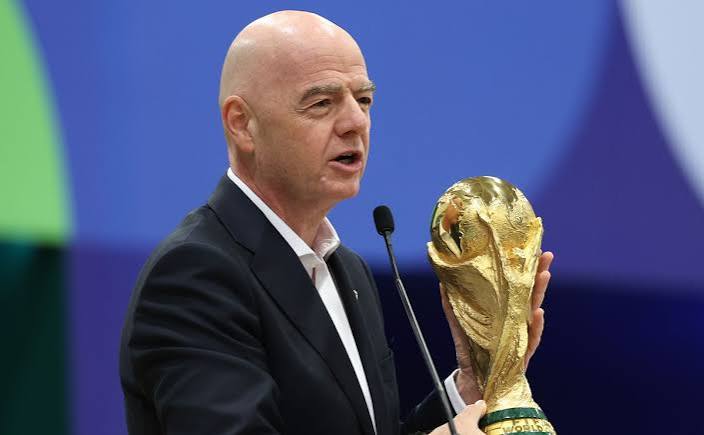
FIFA President Gianni Infantino has confirmed that the governing body is studying the feasibility of expanding the World Cup to 64 teams. While the move aims to boost global participation and commercial revenue, it faces criticism from leagues and players over concerns regarding player health and the intensity of the international schedule.
ZURICH — FIFA is actively evaluating a structural expansion of the men's FIFA World Cup, with President Gianni Infantino confirming that internal feasibility studies are underway to assess the merits of a 64-team tournament. The proposal, which would double the size of the traditional 32-team format and significantly expand upon the 48-team structure debuting in 2026, aims to further globalize the sport's flagship event.
The confirmation comes as FIFA navigates the logistical requirements of the 2026 tournament, hosted by the United States, Canada, and Mexico. While Infantino has not set a definitive timeline for the adoption of a 64-team World Cup, he indicated that discussions with stakeholders and continental confederations have intensified, reflecting a strategic pivot toward increasing participation and commercial reach.
The Push for Greater Global Inclusion
Proponents of the 64-team World Cup model argue that an expanded format would provide previously marginalized nations with meaningful pathways to compete on the world stage. By increasing the allocation of slots for the Asian (AFC), African (CAF), and Oceanic (OFC) confederations, FIFA aims to address regional imbalances in tournament representation.
However, the proposal faces significant scrutiny regarding player welfare and tournament quality. Critics, including several prominent European clubs and the World Leagues Association, have expressed concerns that an overly crowded international calendar could lead to player burnout. The expansion would necessitate a longer tournament schedule, placing additional pressure on domestic league seasons and the overall physical health of professional athletes.
Logistical and Commercial Implications
A 64-team World Cup would transform the commercial footprint of international football. From a business perspective, the increase in matches would lead to a substantial rise in broadcasting rights and sponsorship revenue. FIFA’s financial outlook suggests that additional inventory in tournament matches would provide a revenue stream to further fund the "FIFA Forward" development program, which supports grassroots football infrastructure worldwide.
For host nations, the infrastructure demands of a 64-team event are substantial. FIFA’s hosting requirements, which already necessitate a large number of high-capacity stadiums and transport networks, would reach unprecedented levels under such a model. Observers suggest that future tournament bids would likely require multi-nation cooperation, similar to the 2026 and 2030 hosting models, to distribute the financial and logistical burden.
Official Sources Section
According to statements from FIFA headquarters in Zurich, the governing body is currently conducting "ongoing internal reviews" regarding the long-term future of the tournament format. The FIFA Council is expected to receive a preliminary report on the feasibility of tournament expansion at the next General Congress.
Quote Section
"According to officials" within FIFA, the organization is committed to "exploring all options" that enhance the development of football worldwide. Organizers stated that any potential expansion would be subject to rigorous consultation with players’ unions, domestic leagues, and member associations to ensure the sustainability of the global football ecosystem.
Why It Matters
For fans, a 64-team World Cup represents a shift in the tournament's identity, moving from a month-long elite competition toward a broader, more inclusive global sports festival. For the broader football economy, the transition would significantly reshape international broadcasting cycles and corporate sponsorship packages. The potential move also underscores the growing tension between FIFA’s desire for commercial expansion and the existing constraints of the global football calendar.
Key Facts at a Glance
Expansion Proposal: FIFA is studying a potential 64-team World Cup format for future editions beyond 2026.
Strategic Goal: The initiative aims to increase global participation, particularly for nations in Asia, Africa, and Oceania.
Commercial Drivers: Increased match volume is expected to drive higher revenue from broadcasting and sponsorship deals.
Operational Concerns: Player welfare groups and domestic leagues have raised alarms regarding the potential impact of a longer tournament on athlete health and league scheduling.
Frequently Asked Questions (FAQ)
When would a 64-team World Cup be implemented?
FIFA has not set a timeline; the proposal is currently in the internal study and consultation phase.
Why is FIFA considering a 64-team tournament?
The primary drivers are increased global inclusivity, higher commercial revenue, and the broader development of football infrastructure in emerging markets.
What are the main objections to the proposal?
Primary objections center on the potential for player burnout, the impact on domestic league calendars, and the difficulty of maintaining tournament quality with a larger pool of participants.
Source:
FIFA - Official News
The Athletic - FIFA World Cup Expansion
BBC Sport - International Football