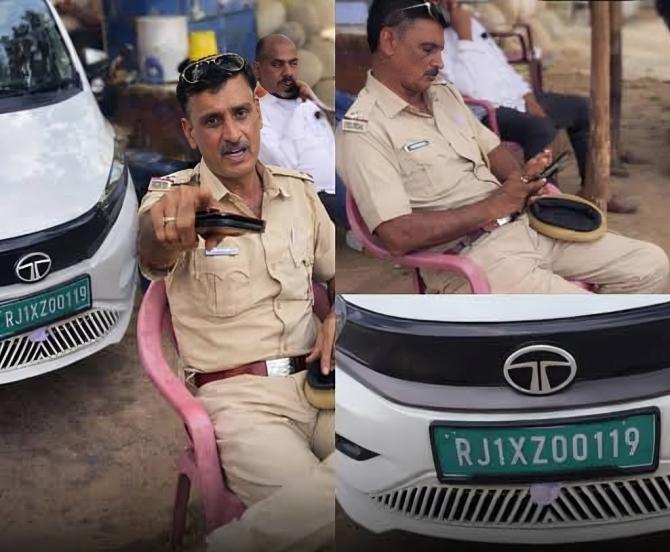
In a surprising incident, an electric vehicle (EV) owner received a Pollution Under Control (PUC) challan, despite EVs producing zero tailpipe emissions. The case has sparked widespread debate about flaws in India’s traffic enforcement systems and the need for smarter, tech-enabled governance.
A recent incident involving an electric vehicle being fined for not having a valid PUC certificate has caught public attention. Since EVs do not emit exhaust gases, the challan has raised questions about how automated systems and traffic enforcement protocols are functioning.
How Did This Happen
The challan appears to have been generated either through automated number plate recognition (ANPR) systems or manual oversight. In many Indian cities, traffic monitoring is increasingly digitized, relying on databases that may not yet fully distinguish between internal combustion engine (ICE) vehicles and electric vehicles.
This gap can lead to errors like issuing a PUC challan to an EV, which legally does not require one. The incident highlights a mismatch between evolving vehicle technology and outdated enforcement frameworks.
Why EVs Do Not Need PUC
PUC certification is mandated for vehicles that emit pollutants through combustion engines. Electric vehicles, powered by batteries, produce zero tailpipe emissions and are therefore exempt from PUC norms under current regulations.
Issuing such a challan not only creates inconvenience for EV owners but also exposes inefficiencies in regulatory databases and enforcement systems.
Systemic Issues And Digital Gaps
The case underscores the urgent need for better integration of vehicle registration data with traffic enforcement systems. As India pushes for EV adoption under sustainability goals, backend systems must evolve accordingly.
Experts suggest that databases should clearly classify EVs and exempt them automatically from emission-related checks to prevent such errors.
Key Highlights
- Electric vehicle wrongly issued PUC challan despite zero emissions
- Highlights flaws in automated traffic enforcement systems
- EVs are legally exempt from Pollution Under Control certification
- Raises need for updated digital infrastructure and databases
- Could impact public trust in smart traffic management systems
What This Means For EV Owners
This incident serves as a reminder for EV owners to verify challans and contest incorrect fines. It also pushes authorities to accelerate digital reforms, ensuring policies align with modern vehicle technologies and India’s clean mobility vision.
Sources: NDTV, India Herald, Devdiscourse