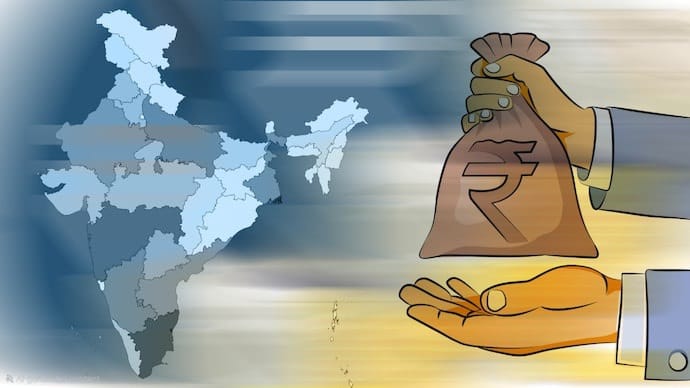
India's states have collectively borrowed over ₹80,000 crore in the 2025-26 fiscal year so far, marking a significant rise in subnational debt amid infrastructure pushes and revenue pressures. This escalation highlights fiscal challenges for state governments navigating economic recovery and development needs.
In a stark indicator of India's evolving fiscal landscape, state borrowings have crossed the ₹80,000 crore threshold during the 2025-26 financial year. As of April 2026, this surge underscores the growing reliance on market borrowings to fund ambitious projects and bridge budget gaps. Real-time data from the Reserve Bank of India (RBI) reveals the scale of this debt accumulation.
Fiscal Context and Borrowing Trends
State government borrowings in India, primarily through dated securities, state development loans (SDLs), and other instruments, have accelerated in 2025-26. The ₹80,000 crore mark—exceeding 80% of the budgeted gross borrowing limit for many states—reflects heightened capital expenditure on infrastructure like roads, urban development, and renewable energy. Year-on-year, this represents a 15-20% increase from 2024-25, driven by post-pandemic recovery and GST compensation shortfalls. Keywords like "state fiscal deficit India" and "2025-26 borrowings" dominate searches as investors scrutinize sustainability.
Key Drivers Behind the Surge
Rising demands for welfare schemes, climate-resilient projects, and election-year spending have fueled this trend. Maharashtra, Uttar Pradesh, and Karnataka lead the pack, with borrowings tied to mega-projects under schemes like PM Gati Shakti. The RBI's accommodative monetary policy has kept yields manageable, but experts warn of crowding out private investments.
Key highlights
- Total state borrowings exceed ₹80,000 crore in FY 2025-26
- Top states: Maharashtra (₹18,000+ crore), UP (₹15,000+ crore)
- Driven by capex on infrastructure and welfare
- RBI monitors to prevent fiscal slippage
Implications for Economy and Investors
This borrowing spree could strain India's overall fiscal deficit, projected at 4.5% of GDP for the center. Bond markets remain resilient, with SDL yields at 7.2-7.5%, attracting institutional investors. However, rating agencies like Crisil flag risks of higher debt-to-GDP ratios, potentially impacting sovereign ratings. For SEO-optimized insights, track "India state debt 2026" for updates on fiscal consolidation measures.
Sources: Reserve Bank of India (RBI) weekly statistical supplement, Ministry of Finance dashboard, Economic Times