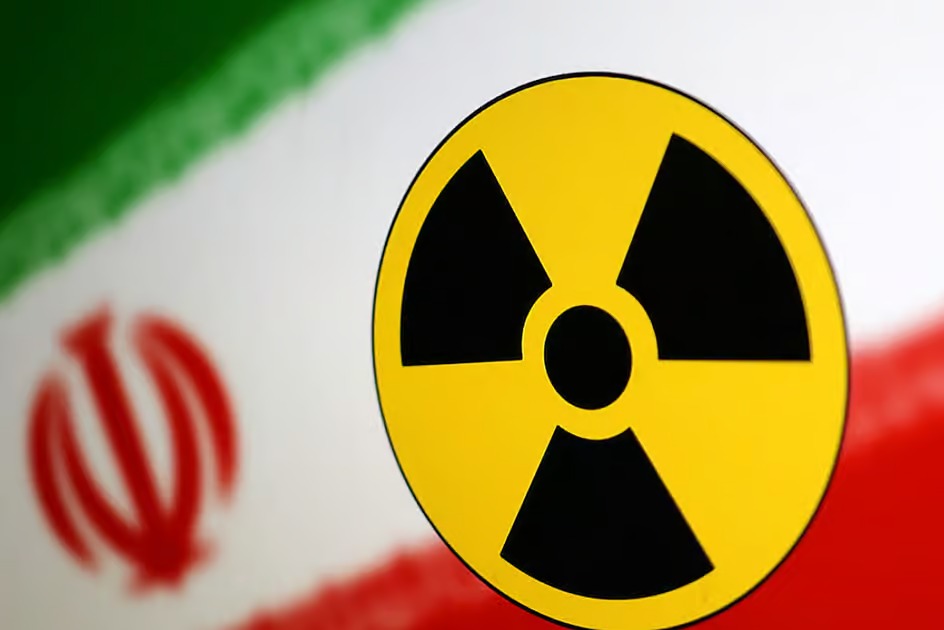
The United States has outlined five non-negotiable conditions in ongoing nuclear negotiations with Iran, focusing on uranium transfer restrictions, enrichment limits, and enhanced verification protocols as diplomatic efforts intensify to prevent Tehran's nuclear program from reaching weapons-grade capability while seeking a pathway to de-escalation in the Middle East.
Diplomatic channels between Washington and Tehran have reopened with cautious optimism, but the road to any nuclear agreement remains fraught with challenges. The Trump administration has made clear that any deal must address core American security concerns while preventing Iran from developing nuclear weapons capabilities. These five conditions represent the framework for what the US considers an acceptable agreement.
The Five Core Conditions
The United States has reportedly insisted on strict limitations regarding uranium enrichment levels, capping Iran's ability to enrich uranium beyond civilian energy needs. Transfer of existing highly enriched uranium stockpiles out of Iran forms another critical demand, aimed at reducing the material available for potential weapons development. Enhanced International Atomic Energy Agency inspection protocols with unrestricted access to suspected nuclear sites represents the third pillar, ensuring transparency and verification. The fourth condition addresses the timeline for any nuclear restrictions, with the US pushing for longer sunset clauses than the previous JCPOA agreement. Finally, the fifth demand reportedly links nuclear concessions to broader regional security concerns, including Iran's ballistic missile program and support for proxy groups across the Middle East.
Iran's Response and Regional Implications
Tehran has historically resisted conditions it views as infringing on sovereignty, particularly regarding missile programs and regional influence. Iranian negotiators have signaled willingness to discuss nuclear restrictions in exchange for comprehensive sanctions relief, but linking nuclear talks to non-nuclear issues remains a major sticking point. The outcome of these negotiations will significantly impact regional stability, oil markets, and the broader geopolitical balance in the Middle East.
Key Negotiation Parameters
- Uranium enrichment must remain below weapons-grade threshold levels
- Existing stockpiles of enriched uranium require transfer or dilution
- IAEA inspectors demand unfettered access to all nuclear facilities
- Extended timeline for nuclear restrictions beyond previous agreement terms
- Broader security framework addressing missiles and regional activities
The success or failure of these talks will shape Middle East security architecture for years to come, with implications reaching far beyond Iran's nuclear program to regional stability and global energy markets.
Sources: International news agencies, diplomatic sources, US State Department briefings, IAEA reports