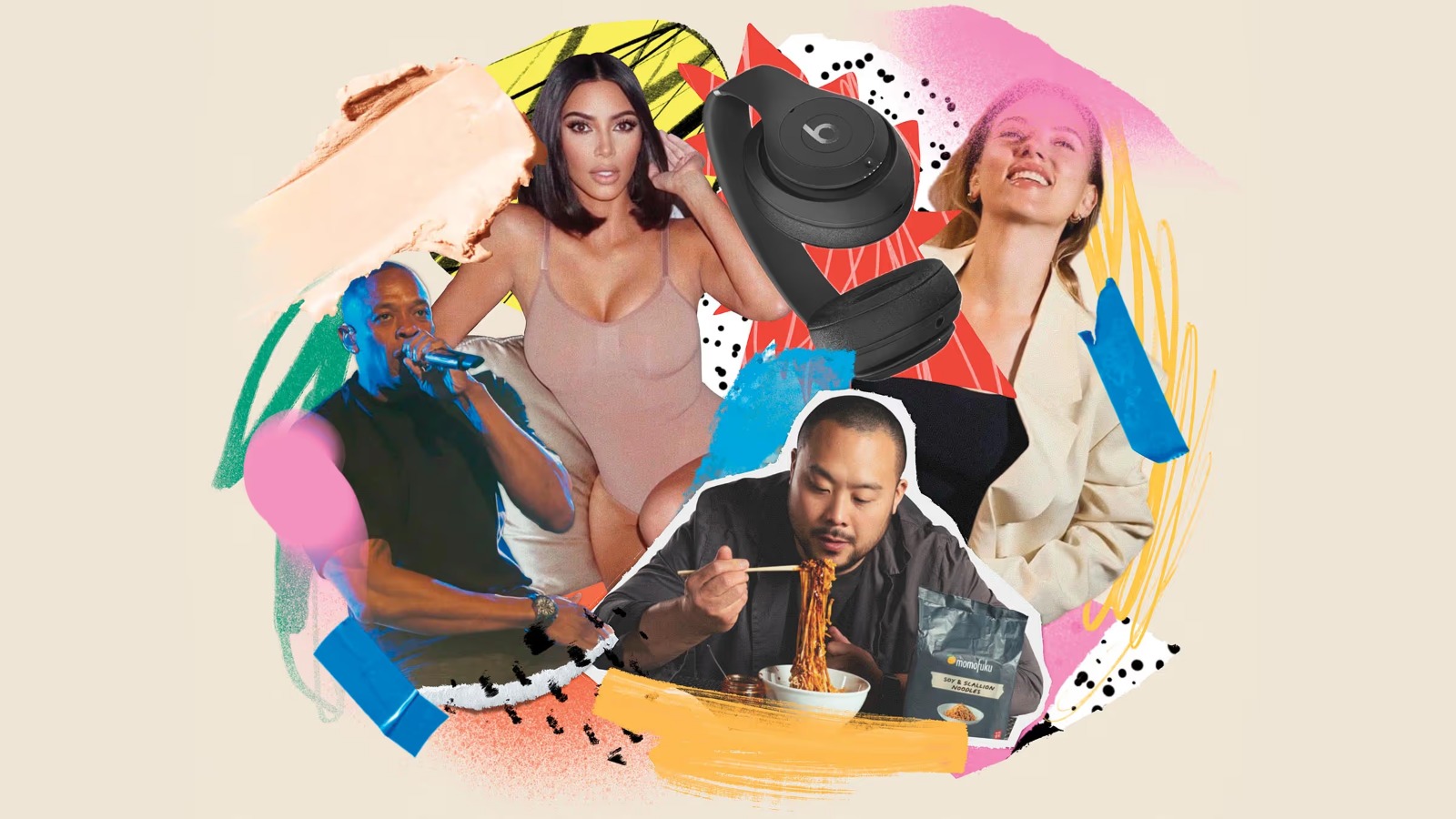
Celebrity social media collaborations have evolved far beyond simple endorsements. In 2026, brands are co-creating content, building long-term partnerships, and leveraging star power across TikTok, Instagram, and YouTube to drive engagement rates that traditional advertising simply cannot match.
The rules of brand marketing have been rewritten, and celebrities are holding the pen. Social media marketing in the United States is undergoing a major transformation in 2026, with authenticity, community engagement, and influencer collaborations becoming essential components of successful campaigns. What was once a billboard or a 30-second television spot has now become a scrollable, shareable, and deeply personal digital conversation between celebrities and their millions of loyal followers.
From Endorsements To Ecosystems
The shift from one-off celebrity deals to fully integrated brand partnerships is the defining marketing trend of this moment. Rather than just appearing in an ad, many stars now either own or co-own brands, invest in startups, or closely direct product design, fostering a sense of real involvement that makes endorsements feel more genuine. This evolution has transformed celebrities from faces on packaging into actual architects of brand identity.
Celebrities now evolve from mere endorsers to partners influencing brand narratives, with brands increasingly investing in long-term partnerships with influencers who resonate with their values, allowing for genuine promotion over time.
The Numbers That Are Turning Heads
The data behind celebrity-led campaigns in 2026 is impossible to ignore. On average, campaigns featuring celebrities deliver a 220% higher engagement rate than creator-led campaigns on Instagram, with celebrity content receiving an average of 85,700 more likes — a staggering 809% increase over standard creator content.
On video-first platforms, the gap is even wider. Celebrity-led campaigns generate roughly eight times more video views on TikTok than brand-only content, with an average of 7.5 million views per post compared to 943,500 for standard brand posts.
The Taylor Swift Effect And What It Means For Every Brand
Few examples illustrate the raw commercial power of celebrity social media better than the now-legendary Taylor Swift Effect. When Swift was photographed in a green velvet dress from boutique label Little Lies, the brand saw a staggering 6,900% increase in social media activity, with the owner noting a shift from direct sales to storytelling, creating a cash flow boost attributed entirely to Swift's organic influence.
In a similar vein, Carl's Jr. teamed up with Gen Z It Girl Alix Earle for a Super Bowl campaign, unveiling the Hangover Burger in a social-first strategy that leveraged her 7.2 million TikTok followers, sidestepping expensive broadcast ad rates while driving targeted, platform-native engagement.
Spotlight Stats: The Power Of Celebrity Partnerships
Celebrity-led Instagram campaigns deliver 220% higher engagement than creator-led ones
TikTok celebrity posts average 7.5M views per post versus 943K for brand-only content
The influencer economy is projected to grow to nearly $500 billion by 2027
Rare Beauty is valued at $1.3 billion, built almost entirely on celebrity-led social media strategy
Gen Z is 20% more likely to visit fast-food restaurants after celebrity-native content campaigns
Long-term celebrity collaborations across social media campaigns, product launches, and events allow for greater brand exposure and sustained engagement
What Brands Must Do Differently In 2026
In 2026, brands must collaborate with creators and influencers to stay relevant, requiring a deep understanding of the macro forces driving trends and conversation — moving away from volume-first thinking toward storytelling-led, platform-native content strategies. The brands winning this race are not simply paying for celebrity faces — they are co-authoring cultural moments.
Sources: Dash Social, Goat Agency, Brand Vision, Enrich Labs, Business of Apps, Zar SH Solutions