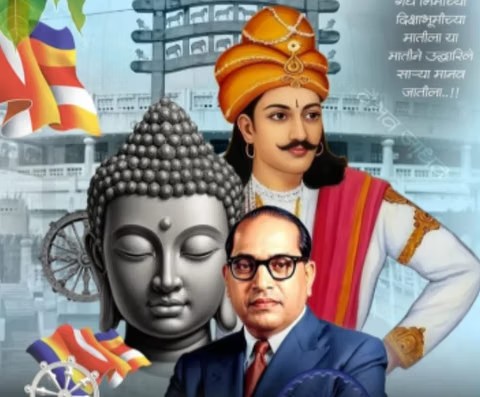
A deeper historical narrative is bringing Kerala’s Buddhist past into sharper focus, linking ancient imperial missions under Ashoka with modern reform movements led by Ambedkar. This rediscovery highlights how Buddhist philosophy shaped Kerala’s social evolution, education systems, and egalitarian values across centuries, leaving a lasting cultural imprint still visible today.
Kerala’s identity has long been celebrated for its literacy, social reform, and cultural diversity. Yet, beneath its widely recognized traditions lies a compelling and often overlooked chapter—its deep-rooted Buddhist legacy that once flourished across the region and continues to influence its progressive ethos.
Buddhist Beginnings Along Maritime Routes
The spread of Buddhism to Kerala is closely tied to the reign of Ashoka in the 3rd century BCE. As part of his mission to propagate dhamma, emissaries traveled through thriving Indian Ocean trade networks, reaching Kerala’s ports such as Muziris. These interactions facilitated the establishment of Buddhist centers that became hubs of learning, spirituality, and cultural exchange.
Archaeological discoveries—including Buddha statues, inscriptions, and place names like “Palli” (associated with Buddhist viharas)—suggest a once vibrant Buddhist presence. These institutions promoted literacy, healthcare, and social inclusion, laying the groundwork for Kerala’s later achievements in human development.
Social Reform And Cultural Transformation
Buddhism’s emphasis on equality and rejection of rigid caste hierarchies resonated deeply within Kerala’s society. Many historians argue that early educational systems and community-based welfare practices in the region were influenced by Buddhist monastic traditions.
As Brahmanical Hinduism regained prominence between the 8th and 10th centuries, Buddhism gradually declined. However, rather than vanishing, it merged into local traditions. Rituals, temple architecture, and philosophical ideas were absorbed, creating a layered cultural identity that preserved Buddhist ethics in subtle yet enduring ways.
Ambedkar’s Vision And Modern Resonance
Centuries later, B. R. Ambedkar revived Buddhism as a powerful instrument of social justice. His conversion in 1956 sparked a nationwide movement that resonated strongly in Kerala—a state already inclined toward reform and equality.
Ambedkar’s reinterpretation of Buddhism as a rational, egalitarian philosophy inspired marginalized communities and intellectual circles alike. In Kerala, this revival strengthened ongoing conversations around caste, rights, and inclusive development, reconnecting the region with its ancient philosophical roots.
Why This History Matters Today
Understanding Kerala’s Buddhist past offers more than historical insight—it reframes the narrative of India’s cultural evolution. It highlights how ideas of compassion, rationality, and equality transcended time, influencing both ancient societies and modern democratic values.
This rediscovery also enriches tourism, academic research, and cultural pride, positioning Kerala not just as a scenic destination but as a significant center of ancient Buddhist thought and progressive social change.
Key Highlights
- Buddhism reached Kerala through Ashoka’s missionary efforts and maritime trade
- Ancient Buddhist centers promoted education, healthcare, and equality
- Cultural assimilation preserved Buddhist values despite its decline
- Ambedkar’s revival reintroduced Buddhism as a tool for social justice
- Kerala’s progressive identity reflects enduring Buddhist philosophical influence
Sources: Mathrubhumi English, Archaeological Survey Reports, Historical Research on Buddhism in South India