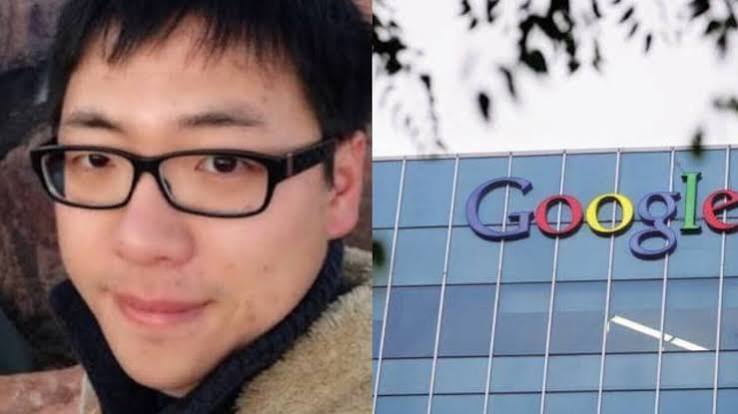
Former Google engineer Linwei Ding has been sentenced to 12 months in prison for stealing over 500 confidential files concerning Google's AI supercomputing infrastructure. The case highlighted insider threats and IP theft risks as engineers attempt to transfer proprietary technology to competing ventures in China.
SAN FRANCISCO — Former Google software engineer Linwei Ding was sentenced in federal court to 12 months minus one day in prison, concluding a high-profile intellectual property theft case that exposed vulnerabilities in tech security amid the global artificial intelligence race.
US District Judge Vince Chhabria delivered the sentence in San Francisco, describing Ding's actions as a "systematic, brazen effort to steal Google's property". The sentencing follows a January trial where a federal jury convicted Ding on seven counts of trade secret theft. Prosecutors established that Ding secretly exfiltrated hundreds of confidential files detailing Google's advanced supercomputing infrastructure while secretly cultivating ties with artificial intelligence ventures in China.
Systematic Data Exfiltration and China Startup Ties
Court documents and trial evidence revealed that Ding, hired by Google in 2019 as a software engineer to support supercomputing data centers, began uploading proprietary data to a personal Google Cloud account in May 2022. Over a multi-month period, he transferred more than 500 confidential files—comprising thousands of pages of technical documentation—and downloaded additional copies locally shortly before resigning in December 2023.
The compromised data contained critical specifications regarding Google's hardware infrastructure and software platforms utilized for training large-scale AI models. This included blueprints for Tensor Processing Unit (TPU) and Graphics Processing Unit (GPU) clusters, cluster management software that coordinates thousands of chips into unified supercomputers, and proprietary SmartNIC networking architecture.
While still employed by Google, Ding accepted a chief technology officer position with an early-stage Chinese AI firm, Rongshu, and later founded his own startup, Zhisuan, aimed at building competitive computational platforms. Internal documents recovered by investigators showed Zhisuan intended to replicate Google's ten-thousand-card computational power framework tailored for domestic markets. While a jury initially convicted Ding on both trade secret theft and economic espionage counts, Judge Chhabria later set aside the espionage charges, ruling that evidence did not conclusively prove Ding intended to directly benefit the Chinese government during the initial transfer window.
According to federal court records, judicial rulings, and prosecution filings:
Prison Term: Sentenced to 12 months minus one day in federal custody, followed by two years of supervised release.
Financial Penalties: Ordered to pay over $189,000 in restitution alongside a $25,000 fine.
Data Volume: More than 500 confidential files covering supercomputing cluster architecture and specialized chip communication protocols.
Legal Outcome: Conviction upheld on seven counts of trade secret theft; economic espionage counts dismissed due to insufficient evidence regarding state backing.
Official Sources Section
U.S. Department of Justice Case Disclosures: Federal indictment records, trial evidence summaries, and prosecution announcements regarding trade secret theft.
U.S. District Court for the Northern District of California: Sentencing memoranda, judicial orders, and trial verdict filings for United States v. Linwei Ding.
Quote Section
"According to US District Judge Vince Chhabria during the San Francisco sentencing hearing, Ding's conduct represented a 'systematic, brazen effort to steal Google's property' that warranted a custodial sentence to ensure adequate deterrence across the technology sector."
Why It Matters
For global technology enterprises and cloud providers, the case underscores the severe internal security risks posed by insider threats as corporations race to dominate generative artificial intelligence. As restrictions tighten access to high-end hardware, protecting proprietary software frameworks and supercomputing blueprints has become a critical operational priority to maintain competitive advantages.
Key Facts at a Glance
Defendant: Linwei Ding (former Google software engineer).
Location: San Francisco, California.
Core Violation: Theft of proprietary AI supercomputing trade secrets.
Target Entities: China-based AI startups Rongshu and Zhisuan.
FAQ Section
What specific information did Linwei Ding steal from Google?
Ding downloaded files detailing Google's hardware infrastructure and software platforms used for training large AI models, including TPU/GPU configurations, cluster management software, and SmartNIC networking designs.
What was the final sentence handed down by the court?
Judge Vince Chhabria sentenced Ding to 12 months minus one day in federal prison, two years of supervised release, over $189,000 in restitution, and a $25,000 fine.
Were the economic espionage charges upheld against Ding?
No. Although initially convicted by a jury on economic espionage counts, the judge set those charges aside, ruling the evidence did not prove Ding intended to benefit the Chinese government.
Where can legal researchers review court documents for this case?
Complete docket listings and public filings are available through the U.S. District Court for the Northern District of California Portal.
Source: U.S. Department of Justice, U.S. District Court Northern District of California, Reuters Legal Desk, Associated Press