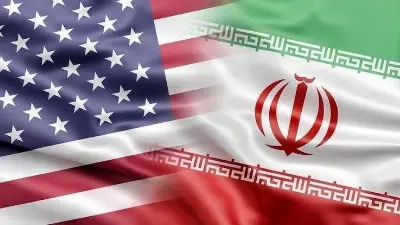
As negotiators edge closer to a US–Iran peace deal to end months of conflict in the Gulf, President Donald Trump has begun to reframe Washington’s relationship with Tehran. In recent interviews and briefings, he has described the evolving dynamic as “a much more professional one,” signalling a shift from pure confrontation to transactional, interest‑driven engagement.
After weeks of back‑channel talks mediated by Pakistan and regional players, US and Iranian officials say they are close to a draft memorandum aimed at halting hostilities, reopening the Strait of Hormuz and setting the stage for broader negotiations. Trump, while still threatening severe military escalation if talks collapse, has repeatedly said Iran “wants to make a deal very much” and that a framework is “largely negotiated” with final details being worked out.
What The Emerging Peace Deal Looks Like
The prospective agreement, as described by mediators and leaks to the press, is expected to take the form of a short, 14‑point memorandum rather than a sprawling treaty. It would focus first on an immediate ceasefire and maritime security in and around the Strait of Hormuz, followed by phased steps on sanctions relief and regional de‑escalation. Iran has signalled that its nuclear programme will not be part of the initial package, preferring to ring‑fence that for a later, more technical round of talks.
Trump’s ‘More Professional’ Relationship Framing
Trump’s recent comments reflect an attempt to recast the US–Iran relationship as hard‑nosed but businesslike: deal‑driven, bounded by clear red lines and managed through structured channels rather than pure Twitter diplomacy and proxy skirmishes. In multiple interviews, he has alternated between bullish optimism – saying the sides are “getting a lot closer” to a deal – and blunt warnings that, absent agreement, US military action would escalate “at a much higher level and intensity” than before. This mix of praise, pressure and public score‑keeping is vintage Trump, but the language of a “professional” relationship suggests more predictable protocols and less improvisation if a memorandum is signed.
Why This Moment Matters For The Region
A workable US–Iran peace understanding could ease shipping disruptions, cool oil prices and lower the risk of miscalculation in one of the world’s most tightly wound flashpoints. It would also test whether Tehran and Washington can compartmentalise disagreements – especially over nuclear issues and regional proxies – while locking in practical cooperation on maritime security and sanctions sequencing. For regional allies like Saudi Arabia, the UAE and Qatar, who have been consulted throughout, the deal’s success or failure will shape how they hedge between Washington, Tehran and other major powers.
Peace Deal Insight Highlights
- Draft agreement reportedly structured as a short, 14‑point memorandum
- Initial focus on ceasefire and reopening the Strait of Hormuz for shipping
- Iran wants nuclear file kept out of first‑phase agreement
- Trump says sides are “getting a lot closer,” but pegs odds at “50/50” in some remarks
- President frames evolving US–Iran ties as “much more professional,” blending deal‑making rhetoric with threats of escalated force
Sources: BBC, Arab News, Reuters, CBS-linked coverage and broadcast clips analysing US–Iran peace talks and Trump’s recent statements