Union Minister Piyush Goyal’s recent European tour solidified plans for the India-EU Free Trade Agreement. With negotiations concluded, the landmark pact—covering goods, services, and technology, is undergoing final legal review. Both parties aim to sign the agreement by late 2026, with full implementation expected to begin in early 2027.
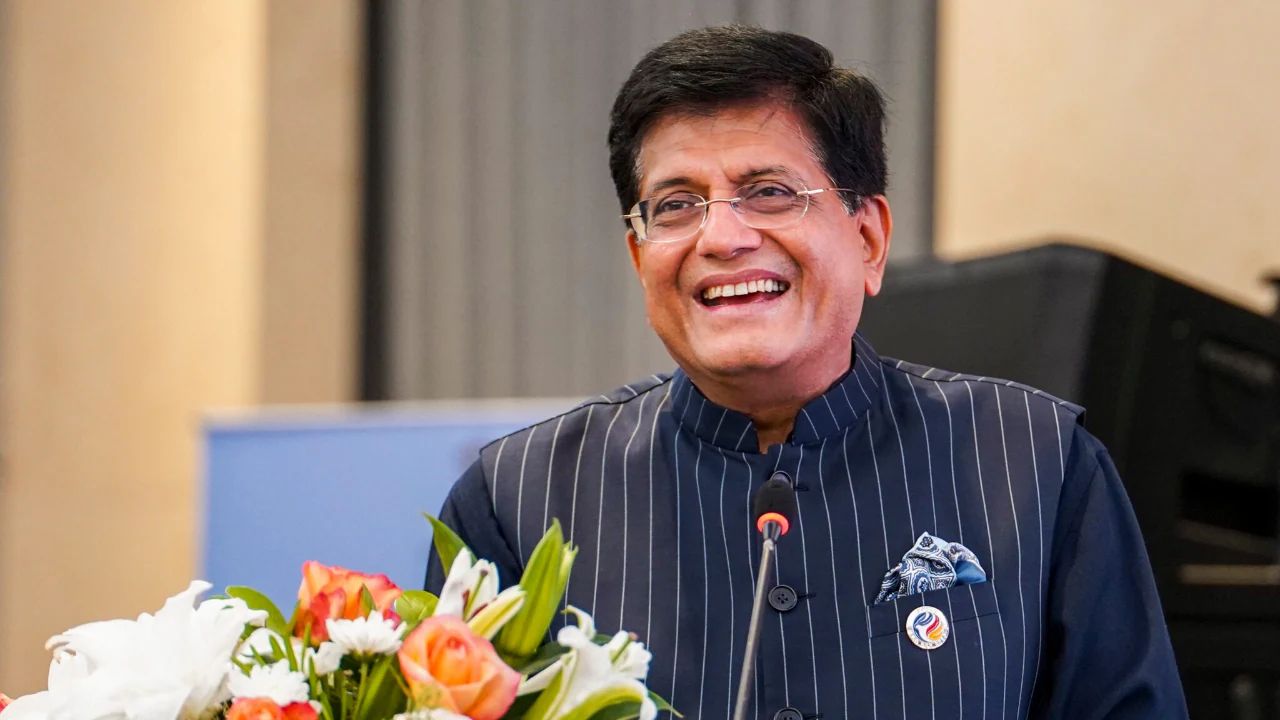
Union Minister Piyush Goyal concludes a high-level European tour, solidifying the roadmap for the long-awaited India-EU Free Trade Agreement.
NEW DELHI — Union Minister of Commerce and Industry Piyush Goyal recently concluded a strategic five-day tour of Spain, Belgium, Finland, and Estonia, where he and European leaders reaffirmed their commitment to the early signing and implementation of the India-European Union (EU) Free Trade Agreement (FTA).
The visit, which took place from July 13 to July 18, 2026, aimed to deepen India’s economic partnership with Europe by expanding investment ties and strengthening cooperation in technology and future-oriented sectors.
A Historic Milestone for Bilateral Trade
During his visit to Brussels, Minister Goyal co-chaired the third India-EU Trade and Technology Council (TTC) Ministerial Meeting. He described 2026 as a "historic year" for India-EU relations, noting that both sides have aligned on the broad roadmap for concluding the agreement, with legal scrubbing of the text nearing completion.
The FTA, often referred to by European Commission President Ursula von der Leyen as the "mother of all trade deals," is being hailed as a fair, balanced, and mutually beneficial pact for businesses and citizens across both regions.
Strategic Cooperation and Future Outlook
The discussions in Brussels and beyond covered a broad spectrum of critical areas beyond trade, including:
Technology and Innovation: Adoption of the 2026–27 TTC Action Plan, focusing on artificial intelligence, 6G, quantum technologies, and semiconductor cooperation.
Economic Security: Negotiations on the Investment Protection Agreement, Geographical Indications Agreement, and cooperation on the Carbon Border Adjustment Mechanism (CBAM).
Market Access: Discussions on regulatory simplification and duty derogation for specific goods, including Basmati rice and steel.
Digital Integration: Technical discussions regarding the interoperability of India’s Unified Payments Interface (UPI) with European digital platforms.
Impact and Expectations
The India-EU FTA is expected to be signed by the end of 2026, with hopes to operationalize the agreement by March 2027. Industry leaders anticipate the pact will open significant export opportunities in sectors such as engineering goods, textiles, pharmaceuticals, and leather, while fostering greater investment flows between the two major economic blocs.
Minister Goyal’s visit also imparted fresh momentum to India's expanding economic engagement, with Estonia and other EU member states expressing strong support for the early implementation of the agreement.
Key Facts at a Glance
Signing Timeline: Targeted for the end of 2026.
Operational Goal: Expected to take effect by March 2027.
Cooperation Pillars: Trade, technology, resilient supply chains, and investment protection.
Diplomatic Scope: High-level engagements across Spain, Belgium, Finland, and Estonia.
Frequently Asked Questions
What is the status of the India-EU FTA?
Negotiations for the FTA concluded in January 2026. Both sides are currently in the final stages of legal review and are committed to signing the pact by the end of 2026.
Why is this agreement important?
It brings together two of the world’s largest economic blocs, representing nearly 30% of global trade. It aims to lower tariffs, improve market access, and create a predictable framework for businesses.
What sectors will benefit the most?
The agreement is expected to boost exports in pharmaceuticals, textiles, engineering goods, and agriculture, while also deepening cooperation in clean energy, digital infrastructure, and advanced manufacturing.
Sources: ANI News, Moneycontrol, Times Of India