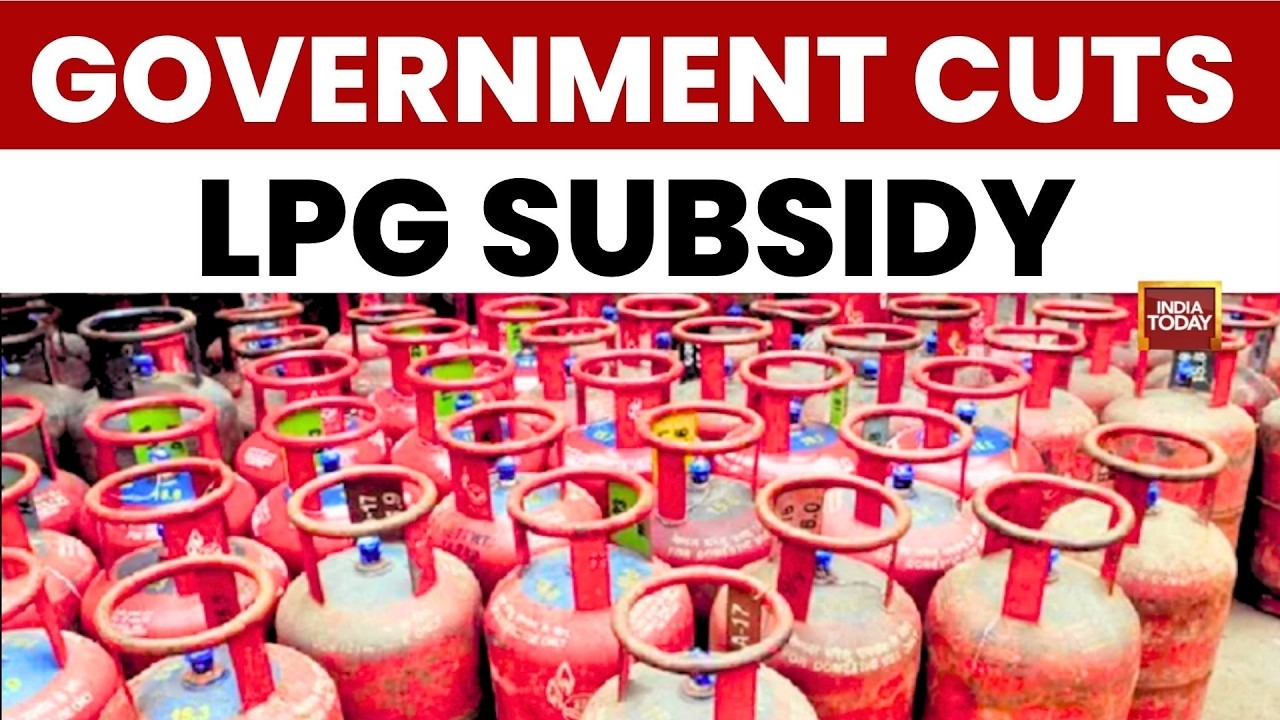
The Union government has reduced the number of subsidised liquefied petroleum gas (LPG) cylinder refills available to beneficiaries under the Pradhan Mantri Ujjwala Yojana (PMUY) from nine to four per year. The decision, effective immediately, comes amid significant pressure on India's energy import bill caused by geopolitical tensions in West Asia and rising international crude oil prices.
The policy shift was announced alongside a fresh retail price increase for domestic LPG. Effective June 7, 2026, the price of a 14.2kg domestic LPG cylinder in Delhi was raised by ₹29, bringing the retail cost to ₹942. This marks the second price hike in three months, leading to a cumulative increase of ₹89 per cylinder since March.
Aligning Subsidy with Household Consumption
According to officials from the Ministry of Petroleum & Natural Gas, the reduction in subsidised quotas is intended to align government support more closely with the average annual consumption of PMUY households, which typically ranges from four to five cylinders.
"A PMUY beneficiary will additionally receive the direct benefit transfer of ₹300 per cylinder on the first four refills each year," the Ministry stated. While the number of subsidised refills has been cut from nine to four, the per-cylinder subsidy of ₹300 remains unchanged. Consequently, the maximum annual subsidy support available under the scheme has been capped at ₹1,200 per household, down from the previous limit of ₹2,700.
Economic Rationale Behind the Move
The government’s decision is primarily a fiscal measure to mitigate mounting losses faced by state-owned Oil Marketing Companies (OMCs). Despite the recent retail price hikes, OMCs are reportedly losing approximately ₹700 on every 14.2kg cylinder sold, as the cost to supply has surged to over ₹1,600 due to elevated global benchmarks.
Praveen Khanooja, Additional Secretary in the Ministry of Petroleum and Natural Gas, noted that even after the price adjustments, both PMUY and non-PMUY consumers continue to receive significant indirect support compared to the actual cost of supply. Currently, PMUY beneficiaries in Delhi pay an effective rate of ₹642 per cylinder, while general consumers pay ₹942.
Impact on Households
The reduction in the subsidised quota is expected to primarily impact larger families or those households that have fully transitioned to LPG as their primary cooking fuel. Since the inception of the Ujjwala scheme in 2016, the government has provided over 10.55 crore connections. Analysts suggest that while the move enhances fiscal sustainability, it may pose a challenge for low-income households that consume more than the revised threshold of four cylinders annually.
Key Facts at a Glance
Subsidised Refill Cap: Reduced from 9 to 4 cylinders per financial year for PMUY beneficiaries.
Subsidy Amount: Fixed at ₹300 per 14.2kg cylinder.
Maximum Annual Benefit: Capped at ₹1,200 per household.
Recent Price Revision: Retail price increased by ₹29 to ₹942 per cylinder in Delhi (effective June 7, 2026).
Effective Cost for PMUY: ₹642 per cylinder.
FAQ
1. Who does this reduction affect?
The reduction from nine to four subsidised refills applies exclusively to beneficiaries of the Pradhan Mantri Ujjwala Yojana (PMUY).
2. Is the subsidy amount per cylinder changing?
No, the subsidy of ₹300 per 14.2kg cylinder remains unchanged for eligible beneficiaries.
3. Why did the government take this step?
The move is a response to the rising global price of LPG and the high "under-recoveries" (losses) being borne by public sector oil companies.
4. How many cylinders can a general (non-PMUY) consumer get?
The cap on subsidised refills under the Ujjwala scheme does not apply to non-PMUY consumers; however, general consumers already pay market rates for LPG.
Source: Ministry of Petroleum & Natural Gas Press Releases, Economic Times, Moneylife