Veteran actor Govinda revealed that his iconic flashy Bollywood fashion was inspired by everyday commuters on Mumbai local trains. Promoting his upcoming film Roopa, he noted that working-class style choices in public transit influenced his vibrant 1990s wardrobe, transforming grassroot expression into a mainstream cinematic trend.
MUMBAI — Veteran Bollywood actor Govinda has opened up about the origins of his signature flamboyant wardrobe, revealing that his iconic flashy and colourful Bollywood fashion was directly inspired by ordinary commuters on Mumbai local trains. In a recent media interaction, the acclaimed actor detailed how everyday working-class people utilizing public transport influenced his vibrant screen presence during the height of his career in the 1990s. This revelation provides fresh context into the evolution of cinematic styling in Indian cinema, highlighting how grassroot aesthetics transitioned into mainstream popular culture.
Roots in Public Transit and Working-Class Expression
During his formative years before achieving superstardom, Govinda frequently navigated Mumbai via its extensive commuter rail network. According to statements reported by ANI News, the actor observed passengers donning bright, shiny, and unconventional clothing items that immediately captured his attention.
Govinda explained that these sartorial choices were much more than mere clothing; they functioned as a statement of identity for individuals seeking visibility in a dense urban environment. The actor noted that when working-class individuals lacked structural platforms to showcase individuality, vibrant apparel allowed them to leave a distinct impression within a crowd. Witnessing this dynamic planted a seed in the young actor's mind, leading him to vow that he would eventually incorporate those eye-catching aesthetics into his own professional life.
Evolution Into a Mainstream Cinematic Trend
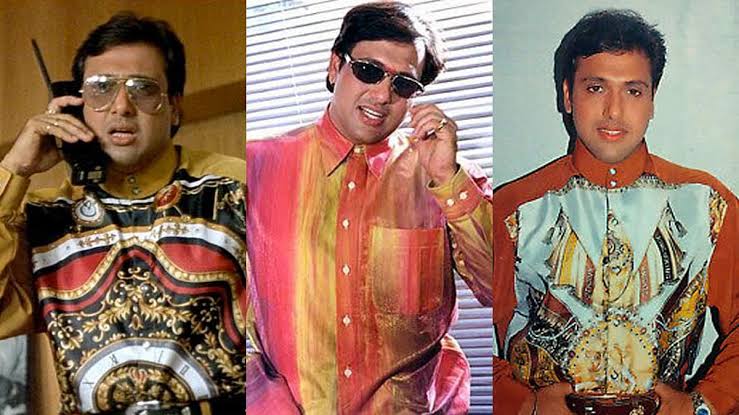
As Govinda transitioned into commercial blockbusters such as Raja Babu, Coolie No. 1, Hero No. 1, Sajan Chale Sasural, and Dulhe Raja, his wardrobe evolved in tandem with his high-energy comedic roles. His brightly colored shirts, metallic fabrics, and clashing color combinations became synonymous with his cinematic brand.
According to the actor, what started as an emulation of local commuter trends eventually catalyzed a broader shift in Indian fashion. The styling choices pioneered on screen later reflected across contemporary Bollywood trends, influencing other prominent actors of the era. Analysts of popular culture note that Govinda's embrace of uninhibited color paved the way for more experimental menswear in Indian cinema long before contemporary stylists formalized maximalist trends.
Cultural Impact and Industry Context
The revelation arrives as Govinda prepares for his cinematic return in his upcoming project Roopa, co-starring Komal Rani Swarnkar. Industry commentators suggest that recognizing the grassroots origins of iconic film aesthetics bridges the gap between commercial entertainment and authentic societal behavior. For fans, designers, and cultural historians, understanding that Bollywood fashion found its roots inside crowded public transit compartments rather than exclusive European design houses offers a new perspective on 1990s pop culture.
Official Sources Section
Information regarding the actor's statements and reflections was gathered through official media interviews provided to ANI News.
Background details concerning his filmography and upcoming project Roopa were verified via The Times of India entertainment desk.
Quote Section
"Wearing flashy clothes is a statement... it's a signature. When we used to travel by local train, I would see people wearing those shiny, eye-catching clothes... I remember thinking, 'Someday, somehow, I'll wear clothes like these too,'" stated Govinda, reflecting on his early inspirations.
Why It Matters
The connection between public transit culture and high-profile cinematic styling highlights how everyday socioeconomic realities directly influence mass entertainment. For modern fashion designers, researchers, and pop culture historians, Govinda's testimony emphasizes that enduring aesthetic trends frequently originate from authentic public expression rather than top-down commercial styling mandates.
Key Facts at a Glance
Primary Inspiration: Ordinary commuters wearing shiny and vibrant attire on Mumbai local trains.
Cinematic Era: Defined Govinda's iconic screen persona throughout major 1990s hits including Coolie No. 1 and Hero No. 1.
Sartorial Philosophy: Viewed by the actor as a vital tool for working-class visibility and individual expression in crowded spaces.
Current Updates: The actor shared these insights while promoting his upcoming comeback film, Roopa.
FAQ Section
What inspired Govinda's flashy Bollywood fashion?
Govinda drew inspiration from everyday commuters he observed wearing bright and shiny clothes while traveling on Mumbai's local trains during his youth.
Which films define Govinda's signature colorful style?
His vibrant fashion choices became a staple of his performances in hit 1990s comedies such as Raja Babu, Coolie No. 1, Hero No. 1, and Dulhe Raja.
How did the actor view these unconventional clothing choices?
Govinda regarded bright apparel not just as fashion, but as a meaningful statement used by individuals to stand out and leave an impression within a dense crowd.
What is Govinda's current project?
The veteran actor is returning to the silver screen in the upcoming film titled Roopa, alongside co-star Komal Rani Swarnkar.
Source: ANI News, The Times of India