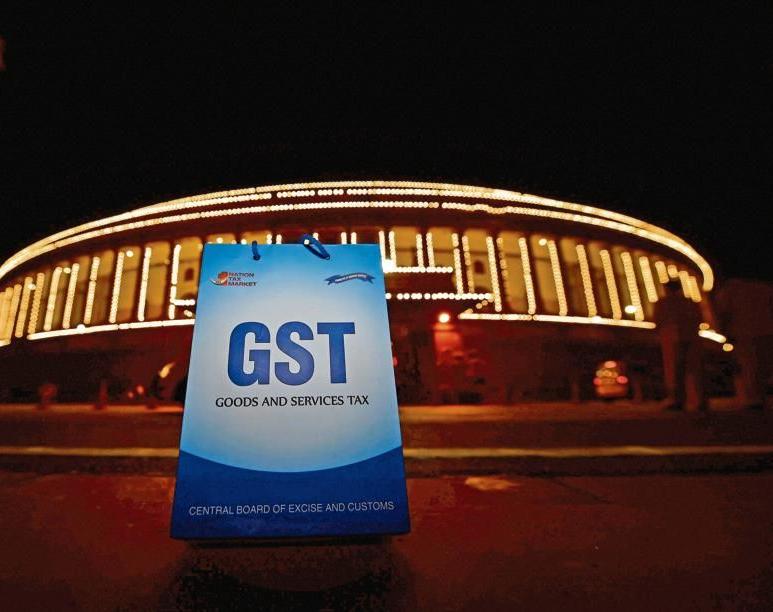
India’s Goods and Services Tax (GST) collections soared to a record ₹2.43 trillion in April, registering an 8.7% year-on-year increase. The milestone reflects strong consumption demand, improved compliance, and effective tax reforms, reinforcing India’s position as one of the fastest-growing major economies with stable fiscal momentum.
India has kicked off the new financial year with a powerful fiscal signal, as GST revenues touched an all-time high. The latest figures highlight the resilience of domestic demand and the continued success of structural tax reforms.
Record-Breaking GST Performance
April’s GST collection of ₹2.43 trillion marks the highest monthly revenue since the indirect tax system was introduced in 2017. The surge is largely attributed to year-end business settlements, strong retail consumption, and increased imports. Traditionally, April sees elevated collections due to reconciliation of transactions from the previous financial year, but this year’s numbers stand out even against that trend.
The growth of 8.7% compared to last year underscores sustained economic activity across sectors such as manufacturing, services, and e-commerce. It also reflects better reporting practices and reduced tax evasion, driven by advanced analytics and digital monitoring systems.
Drivers Behind The Growth Momentum
Several structural and cyclical factors have contributed to this robust performance. Rising consumer spending, particularly in urban and semi-urban areas, has played a critical role. Additionally, higher import volumes have boosted Integrated GST (IGST) collections, indicating strong trade flows.
Government-led initiatives such as e-invoicing, real-time tracking of transactions, and stricter compliance frameworks have significantly improved tax buoyancy. The widening of the tax base, along with increased formalization of the economy, continues to enhance revenue stability.
Economic Outlook And Policy Implications
Economists view GST collections as a key indicator of economic health, as they capture real-time consumption and business activity. The strong April numbers suggest that India’s growth trajectory remains intact despite global economic headwinds, including inflation and geopolitical uncertainties.
Sustained GST growth provides the government with greater fiscal flexibility to invest in infrastructure, digital transformation, and social welfare programs. It also strengthens India’s fiscal deficit management and enhances investor confidence in the country’s macroeconomic stability.
Experts anticipate that if the current trend continues, India could maintain strong revenue collections throughout the fiscal year, supporting long-term economic expansion and policy priorities.
Key Highlights
- India records highest-ever GST collection at ₹2.43 trillion in April
- Year-on-year growth of 8.7% signals steady economic expansion
- Strong consumption, imports, and compliance drive revenue surge
- Digital reforms and anti-evasion measures improve tax efficiency
- Positive outlook for fiscal stability, government spending, and investor confidence
Sources: Reuters, Business Standard, Times of India, The Economic Times