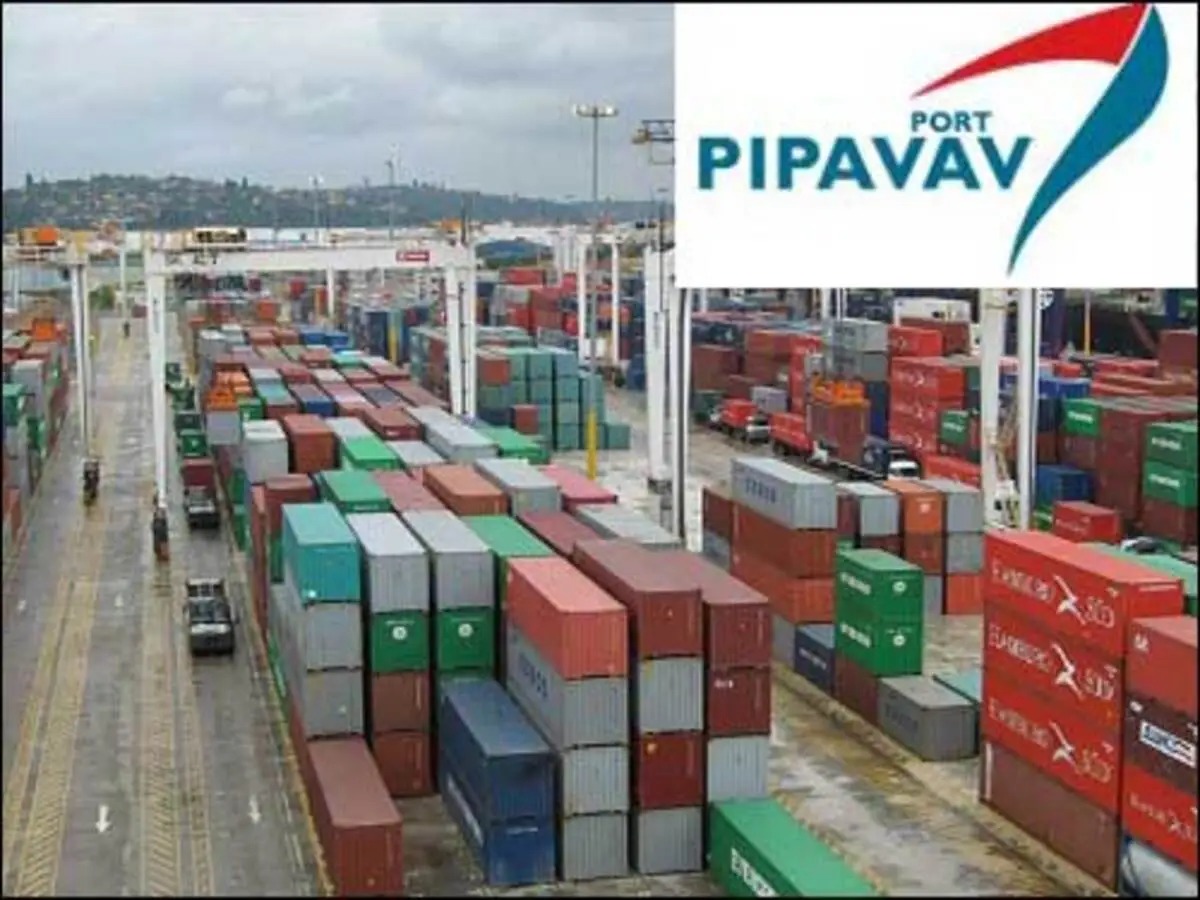
Gujarat Pipavav Port Limited processed 168,000 TEUs of container cargo in Q1 FY27, up from 164,000 TEUs year-on-year. Backed by strong growth in its RoRo auto logistics segment which expanded to 65,000 units the terminal continues to advance its planned ₹720 crore liquid jetty expansion.
MUMBAI — Gujarat Pipavav Port Limited (GPPL) officially released its core operational metrics for the first quarter of the 2027 fiscal year on Monday, July 13, 2026. The gateway terminal, which operates as India’s first private sector port facility on the west coast, handled a total container cargo volume of 168,000 Twenty-Foot Equivalent Units (TEUs) during the three-month period ending June 30, 2026.
The updated volume parameters offer a reliable look at maritime trade velocity along the Saurashtra logistical corridor. As regional supply networks continue to adjust to changing transshipment schedules, the facility has adapted by expanding its vehicle transit capabilities and diversifying its overall cargo mix.
Detailed Breakdown of Cargo Volumes and Segment Performance
According to the official operational disclosure filed directly with domestic stock exchanges, the port’s container handling volume of 168,000 TEUs marks an increase from the 164,000 TEUs recorded during the corresponding quarter of the previous fiscal year. Sequentially, the figures also surpassed the 165,000 TEUs managed during the fourth quarter of fiscal 2026, pointing to a steady baseline stabilization in daily freight movements.
However, performance across other cargo classifications varied during the June quarter:
Roll-on/Roll-off (RoRo) Operations: The segment emerged as a key source of growth, with vehicle handling climbing significantly to 65,000 units in Q1 FY27 compared to 42,000 units in the same period last year.
Dry Bulk Cargo: Total throughput settled slightly lower at 0.52 million metric tonnes (MT), down from 0.55 million MT in the prior year's opening quarter.
Liquid Cargo: Total liquid volumes handled reached 0.22 million MT, down from the 0.41 million MT processed during the corresponding period of fiscal 2026.
Intermodal Rail Logistics and Marine Traffic
The company's intermodal rail logistics network registered moderate shifts in volume, with the terminal handling 346 container trains during the quarter. This compares to 447 trains managed during the first quarter of the previous fiscal cycle. The total volume of containerized freight transported directly via the rail network came in at 88,000 TEUs, down from 99,000 TEUs year-on-year.
Management continues to move forward with capital expenditure initiatives to diversify its logistics capabilities. Construction on the port’s new liquid jetty remains on track for completion by the third quarter of fiscal 2027, with total project allocations estimated near ₹720 crore. This infrastructure upgrade is designed to improve the port's capacity to handle Very Large Gas Carriers (VLGCs), helping buffer the terminal against fluctuations in container trade.
Official Sources Section
All specific cargo volumes, intermodal train metrics, and corporate project updates detailed in this report are sourced directly from the official operational disclosure submitted by the company compliance desk to the National Stock Exchange of India (NSE) and BSE Limited on July 13, 2026.
Quote Section
In the official regulatory compliance document detailing quarterly operations, the corporate management team stated:
"According to officials, the detailed operational updates for the quarter ended June 30, 2026, have been compiled in line with internal listing compliance guidelines. The data has been made accessible via our official investor tracking portal to maintain continuous transparency regarding ongoing cargo volumes, intermodal train metrics, and baseline throughput trends."
Why It Matters
The steady volume of 168,000 TEUs handled by Gujarat Pipavav Port indicates that core shipping routes remain resilient despite global supply chain adjustments and shifting maritime lanes. For export-import businesses, shipping lines, and logistics investors, the significant increase in RoRo vehicle volumes highlights the terminal's growing importance as a gateway for automotive logistics.
Furthermore, the continuing investments in liquid cargo berths show how secondary port hubs are working to diversify their revenue streams, reducing exposure to container pricing volatility and helping secure long-term capacity for industrial chemical and fuel imports.
Key Facts at a Glance
Container Volume: The port processed 168,000 TEUs in Q1 FY27, tracking ahead of both its year-ago and sequential quarterly benchmarks.
RoRo Expansion: Vehicle logistics surged to 65,000 units for the quarter, marking a substantial increase from 42,000 units last year.
Liquid Jetty Progress: The ₹720 crore liquid berth expansion project remains on track for completion by Q3 FY27.
Rail Logistics: Intermodal networks handled 346 container trains, moving 88,000 TEUs from dockside zones to inland destinations.
FAQ Section
What was the total container cargo volume handled by Gujarat Pipavav Port in Q1 FY27?
The terminal handled a total container cargo volume of 168,000 TEUs during the first quarter of the 2027 fiscal year.
How did the port's vehicle handling and RoRo traffic perform?
RoRo operations registered strong growth, with volume climbing to 65,000 units handled compared to 42,000 units in the same period last year.
Where can public investors track the company's financial and operational statements?
Real-time filings, volume updates, and corporate announcements are accessible via the investor relations portal on the official website of the National Stock Exchange of India (NSE).
Source:
Official Operational Disclosures, National Stock Exchange of India (NSE).
Corporate Registry Notifications, BSE Limited Corporate Filing Portal.
Institutional Capital Expenditure and Investor Guidelines, APM Terminals Pipavav Desk.