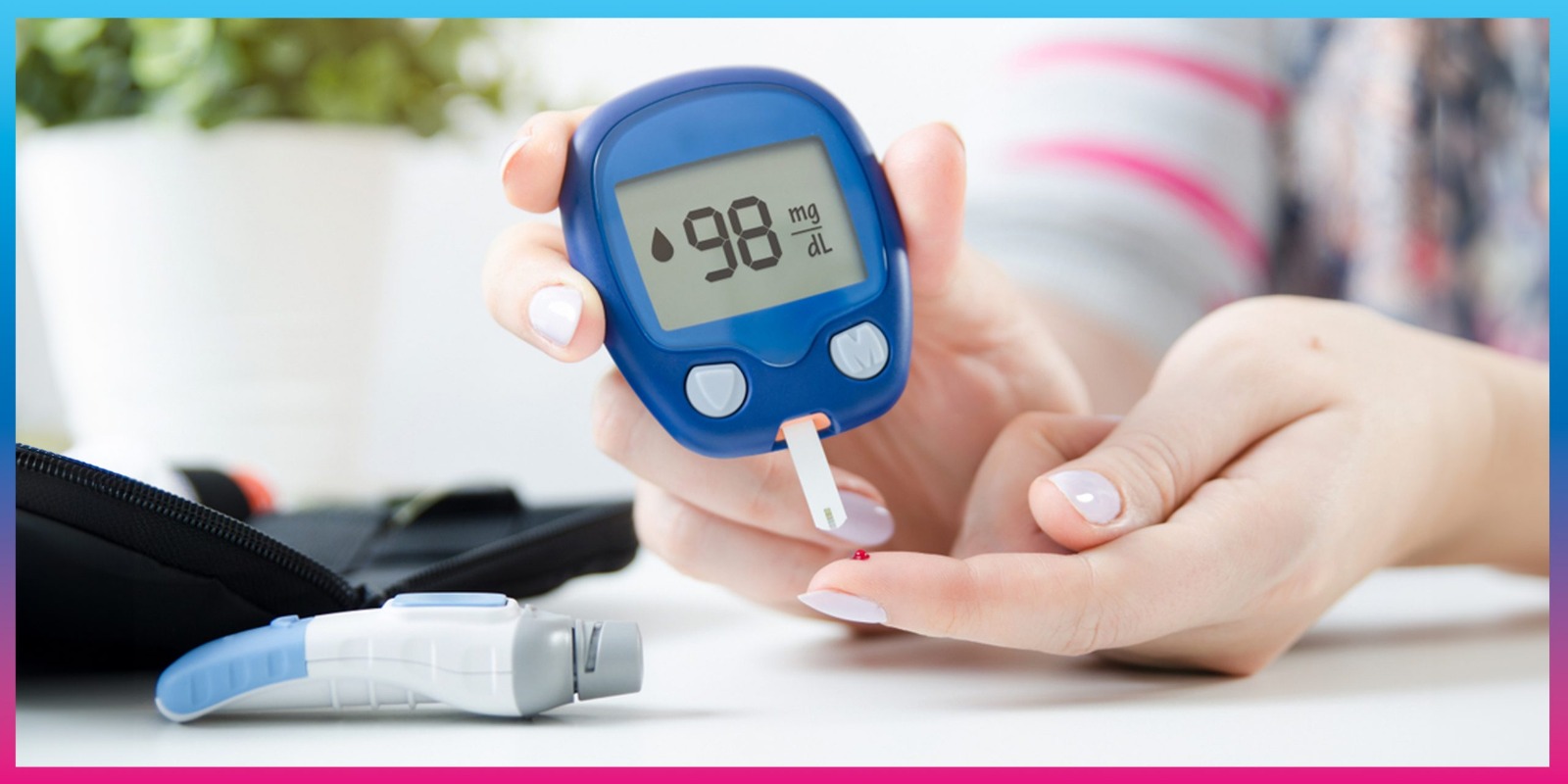
The WHO and ADA have updated their lifestyle intervention frameworks, outlining key steps to lower blood sugar levels naturally. The guidelines focus on managing glycemic loads, performing regular physical activity to improve muscle glucose uptake, and maintaining proper hydration and sleep to regulate cortisol and stabilize metabolic function.
GENEVA — Public health organizations, including the World Health Organization (WHO) and the American Diabetes Association (ADA), have updated their joint clinical frameworks detailing standardized behavioral interventions designed to lower blood sugar levels naturally. With global rates of metabolic syndrome and type 2 diabetes continuing to climb through July 2026, understanding these validated, non-pharmacological mechanisms is vital today. The guidelines emphasize that simple, structured shifts in daily behavior can significantly enhance insulin sensitivity, reducing the long-term strain on primary healthcare systems and lowering chronic disease risks for billions of citizens worldwide.
Dietary Restructuring and Glycemic Load Management
According to official dietary updates published by leading endocrine authorities, shifting nutrition protocols from simple sugars to complex macronutrients is the most immediate way to lower blood sugar levels. Refined carbohydrates cause rapid spikes in postprandial (post-meal) blood glucose, forcing the pancreas to overproduce insulin. Over time, this cycle leads to cellular insulin resistance.
To stabilize these levels, clinical guidelines recommend focusing on foods with a low glycemic index (GI) and increasing daily soluble fiber intake. Soluble fiber mixes with water to form a gel-like substance in the digestive tract, which slows down carbohydrate absorption and delays glucose release into the bloodstream.
Additionally, managing portion sizes and distributing carbohydrate consumption evenly throughout the day helps prevent sudden spikes in glucose, supporting more stable metabolic patterns.
Utilizing Physical Activity to Drive Muscle Glucose Uptake
Regular physical exercise serves as a powerful, non-pharmacological tool to help individuals effectively lower blood sugar levels. During aerobic exercise or resistance training, skeletal muscle contractions stimulate glucose transporter proteins (GLUT4) to move to the cell membranes. This process allows muscles to absorb glucose directly from the blood stream to use for energy, completely independent of insulin presence.
Furthermore, regular physical activity significantly enhances systemic insulin sensitivity for 24 to 48 hours following a workout. Health agencies recommend accumulating at least 150 minutes of moderate-intensity exercise per week, combining cardiovascular sessions with structured strength training. This routine helps maintain lower baseline fasting glucose levels over time.
The Impact of Hydration, Sleep, and Stress Regulation
Beyond diet and exercise, physiological stress and hydration status heavily influence daily metabolic variables. Endocrine evaluations show that chronic dehydration causes the liver to release stored glycogen into the bloodstream while concentrating the volume of sugar already in circulation. Consuming adequate amounts of water helps flush excess glucose through urine, providing a simple way to help lower blood sugar levels.
Simultaneously, addressing sleep deprivation and chronic psychological stress is vital for keeping hormones balanced. Insufficient rest or elevated anxiety triggers the prolonged release of counter-regulatory hormones like cortisol and adrenaline. These hormones act as insulin antagonists, signaling the liver to synthesize extra glucose while making peripheral tissues more resistant to insulin.
Prioritizing seven to eight hours of uninterrupted sleep and utilizing validated stress-reduction techniques help minimize these hormone spikes, keeping baseline metabolic functions stable.
Official Sources Section
The metabolic guidelines, physiological workflows, and health statistics detailed in this report are compiled directly from public health documentation released by the World Health Organization (WHO) and the clinical care standards updated by the American Diabetes Association (ADA).
Quote Section
Commenting on the implementation of these global preventive health frameworks, public health coordinators highlighted the value of foundational lifestyle interventions:
"According to officials from the global health panels, early adoption of structured lifestyle adjustments provides patients with a reliable, non-invasive method to manage glycemic variability, significantly lowering the risk of developing secondary cardiovascular conditions."
Why It Matters
The practical implications of these updated health frameworks are critical for both individual long-term wellness and macroeconomics. By adopting these standardized lifestyle habits to lower blood sugar levels, high-risk populations can potentially delay or entirely prevent the progression from prediabetes to type 2 diabetes. For governments and insurers, widespread community adoption of these habits helps curb the escalating costs associated with managing chronic metabolic conditions.
Key Facts at a Glance
Primary Metric: Consistent lifestyle interventions can reduce the risk of progressing to type 2 diabetes by up to 58%, according to long-term clinical trials.
Fiber Mechanics: Increasing soluble fiber slows down digestion, smoothing out post-meal glucose spikes.
Exercise Benefit: Physical activity enables muscles to clear sugar from the blood without relying on insulin, boosting sensitivity for up to 48 hours.
Hormonal Control: Managing stress and sleep helps regulate cortisol, preventing the liver from releasing excess glucose into circulation.
FAQ Section
How does drinking water help lower blood sugar levels?
Adequate hydration increases total blood volume, which dilutes the concentration of glucose in the bloodstream. It also supports optimal kidney function, allowing the body to naturally excrete excess sugar through urine.
Why does high stress cause blood glucose levels to rise?
When the body experiences stress, it releases hormones like cortisol and adrenaline. These hormones trigger the liver to release stored glucose to provide quick energy, while simultaneously reducing the body's sensitivity to insulin.
What types of exercises are most effective for glucose management?
A combination of aerobic exercises (such as brisk walking, cycling, or swimming) and resistance training (weight lifting or bodyweight movements) is ideal, as both methods activate different pathways for muscle glucose uptake.
Source: Clinical practice recommendations and public health guidelines published by the American Diabetes Association (ADA) and the chronic disease prevention registry of the World Health Organization (WHO).