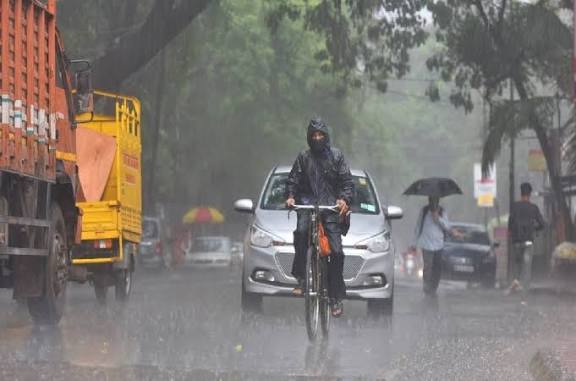
The India Meteorological Department issued an Orange Alert for Karnataka, Madhya Pradesh, Rajasthan, Kerala, and Odisha as heavy rainfall continues across multiple regions. Meanwhile, heavy rain in Delhi-NCR caused widespread waterlogging and severe traffic delays, prompting disaster response teams to clear urban roads and monitor rising river levels.
NEW DELHI — The India Meteorological Department (IMD) issued an Orange Alert warning for severe weather across Karnataka, Madhya Pradesh, Rajasthan, Kerala, and Odisha following intense monsoon downpours. The National Capital Region of Delhi and surrounding metropolitan areas experienced heavy rainfall that led to waterlogging, severe traffic congestion, and disruptions to daily commuter schedules. Weather officials confirmed that a active monsoon trough coupled with active cyclonic circulations is driving the widespread precipitation across northern, central, and southern regions.
The surge in rainfall activity comes as local administrations mobilize emergency disaster management teams to clear urban drainage channels and monitor rising river levels. Urban centers and rural agricultural belts face distinct operational challenges as intense rainfall spells threaten infrastructure, harvest readiness, and transport logistics.
Regional Impact of Heavy Rainfall Across Central and Southern India
The India Meteorological Department elevated warning levels to an Orange Alert for Coastal and South Interior Karnataka, East Madhya Pradesh, East Rajasthan, Kerala, and Odisha. An Orange Alert signifies a "Be Prepared" warning, advising local authorities and residents to anticipate significant disruption to transport, electricity, and local infrastructure due to heavy rainfall ranging between 115.6 mm and 204.4 mm within 24 hours.
In Coastal and South Interior Karnataka, heavy downpours have swollen local river systems and heightened landslide risks along ghat routes. Meanwhile, East Madhya Pradesh and Odisha reported intense precipitation triggered by atmospheric depressions, raising concerns over reservoir capacities and low-lying inundation.
Delhi-NCR Faces Inundation and Traffic Chaos
In Delhi and the surrounding National Capital Region (NCR), heavy rainfall caused localized flooding across major traffic corridors and low-lying residential sectors. Key transit arteries experienced significant slowdowns during morning peak hours as municipal workers operated heavy pumping equipment to drain submerged underpasses.
Municipal corporations across Delhi, Gurugram, and Noida deployed emergency response vehicles to mitigate severe waterlogging. The regional weather center noted that moderate to heavy rainfall will persist intermittently, accompanied by gusty surface winds and thunderstorm activity.
Official Sources Section
Weather statistics and meteorological warnings were formally published in the national daily bulletin issued by the India Meteorological Department (IMD). Operational advisories and disaster management directives were coordinated through official releases from the National Disaster Management Authority (NDMA) and state-level emergency operating centers.
According to official updates from the central weather agency, atmospheric systems are expected to maintain heavy rainfall across central and peninsular India before shifting gradually over the next 48 to 72 hours.
Official Statement and Regional Guidelines
"According to officials from the India Meteorological Department, an Orange Alert has been issued for Coastal Karnataka, East Madhya Pradesh, East Rajasthan, Kerala, and Odisha due to predicted heavy to very heavy rainfall spells," stated official meteorological bulletins. "Residents in affected districts are advised to limit unnecessary travel, stay clear of waterlogged roads, and strictly follow local disaster management directives."
Disaster response officials added that municipal bodies have been instructed to clear storm drains, secure weak structures, and keep emergency shelters on standby across vulnerable districts.
Why It Matters: Citizens, Travelers, and Businesses
The current wave of intense weather carries immediate practical consequences across multiple sectors:
Daily Commuters and Travelers: Urban waterlogging in Delhi-NCR and state highways causes flight delays, rail speed restrictions, and road congestion.
Agricultural Sector: Heavy rainfall assists paddy transplantation but risks damaging mature standing crops if fields remain submerged without proper drainage.
Logistics and Supply Chains: Freight movement along national highways faces delays due to localized landslides in hilly regions and flooded transit corridors.
Public Safety and Infrastructure: Saturated soil increases the risk of wall collapses, tree uprooting, and electrical hazards in densely populated urban settlements.
Key Facts at a Glance
Orange Alert: Issued for Karnataka, Madhya Pradesh, Rajasthan, Kerala, and Odisha due to severe weather forecasts.
Delhi-NCR Impact: Heavy rainfall triggered waterlogging, drainage overflows, and major traffic disruptions.
Rainfall Threshold: Orange Alert regions expect isolated rainfall between 115.6 mm and 204.4 mm over 24 hours.
Official Advisory: Authorities urge citizens to avoid waterlogged underpasses, secure livestock, and monitor weather updates.
Frequently Asked Questions (FAQ)
What does an Orange Alert issued by the IMD mean?
An Orange Alert indicates that severe weather is likely and residents should "Be Prepared." It warns of potential disruptions to transport, power supply, and local infrastructure caused by heavy rainfall.
Which states are currently under an Orange Alert for heavy rainfall?
The India Meteorological Department has issued an Orange Alert for Coastal and South Interior Karnataka, East Madhya Pradesh, East Rajasthan, Kerala, and Odisha.
How is heavy rainfall affecting Delhi-NCR commuters?
Heavy rainfall in Delhi-NCR has caused waterlogging on key roads, underpass closures, and slow-moving traffic across major transit corridors.
Where can citizens check official, real-time weather warnings?
Citizens can access real-time weather updates and district-level advisories directly on the official portal of the India Meteorological Department (IMD).
Source: Official weather bulletins and meteorological advisories published by the India Meteorological Department (IMD), emergency response updates from the National Disaster Management Authority (NDMA), and regional press releases from the Ministry of Earth Sciences.