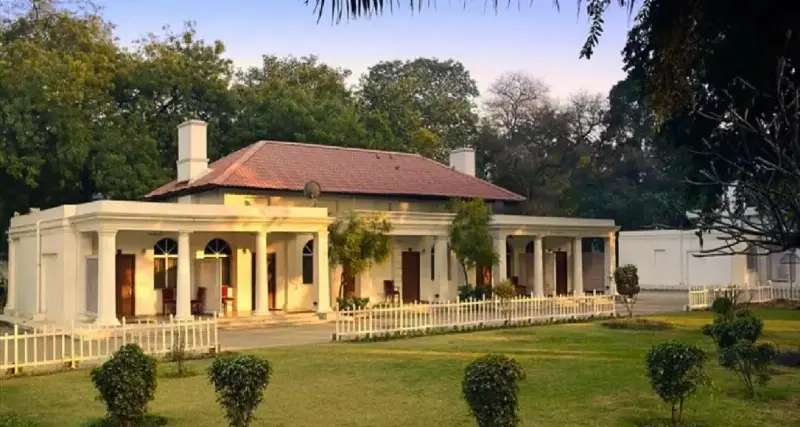
One of India’s oldest and most exclusive clubs, the 113-year-old Delhi Gymkhana Club, has long been known for three things: a lush 27.3-acre address in Lutyens’ Delhi, membership deposits running into lakhs, and a waiting list so long it can outlast a career. Now, a reported Rs 20 lakh-type entry cost and a 37-year queue are back in the spotlight as the big question resurfaces: who really owns and manages this elite playground?
The Delhi Gymkhana, founded in 1913 as the Imperial Delhi Gymkhana Club, has historically operated from government-leased land at 2, Safdarjung Road. Today, it finds itself at the intersection of three debates – soaring membership barriers, colonial-era privilege, and the Centre’s recent move to take back the land citing defence and public-security needs.
How The Membership Game Works
Membership is notoriously hard to get. The club has traditionally taken applications from a limited set of categories – such as government officers, defence officers, corporate nominees and “green card” applicants – with deposits that, over time, have climbed into multiple lakhs and are often locked in for decades. For an ordinary aspirant, the effective waiting period has stretched to 20–37 years, meaning many people sign up in their 20s hoping their children or even grandchildren might actually use the membership. The high upfront cheque plus annual subscriptions, coupled with stiff screening and limited intake every year, keep the ecosystem small, tightly networked and symbolically out of reach for most Delhi residents.
Who Owns And Who Runs Delhi Gymkhana
Legally, the club is a company limited by guarantee – Delhi Gymkhana Club Ltd – and not owned by any single family or corporate house. Control lies with its members, who elect a general committee to run day-to-day affairs, frame rules, and decide on admissions and discipline. The land itself, however, is government property: it was leased by the Centre’s Land and Development Office (L&DO) to the then Imperial Delhi Gymkhana for use as a social and sporting club. In recent years, after allegations of mismanagement, a government-nominated committee has been overseeing the club’s affairs under orders from the National Company Law Tribunal and upheld by the appellate tribunal, diluting the old guard’s hold over governance.
Why The 113-Year Story Just Turned Dramatic
In May 2026, the Union government issued an eviction and re-entry order asking Delhi Gymkhana to hand back its 27.3-acre campus by June 5, arguing the land is “critically required” for defence infrastructure, governance facilities and public-security projects in a strategic zone. The directive invokes a clause in the original lease that allows the government to resume the land for public purpose, and states that once re-entered, all buildings and grounds will vest absolutely with the President of India through the L&DO. For members, this throws long-held assumptions into question: a hard-won, six–seven-figure membership may now buy prestige without guaranteed permanence of place.
Gymkhana Access Highlights
Sources: NewsArena, India Today