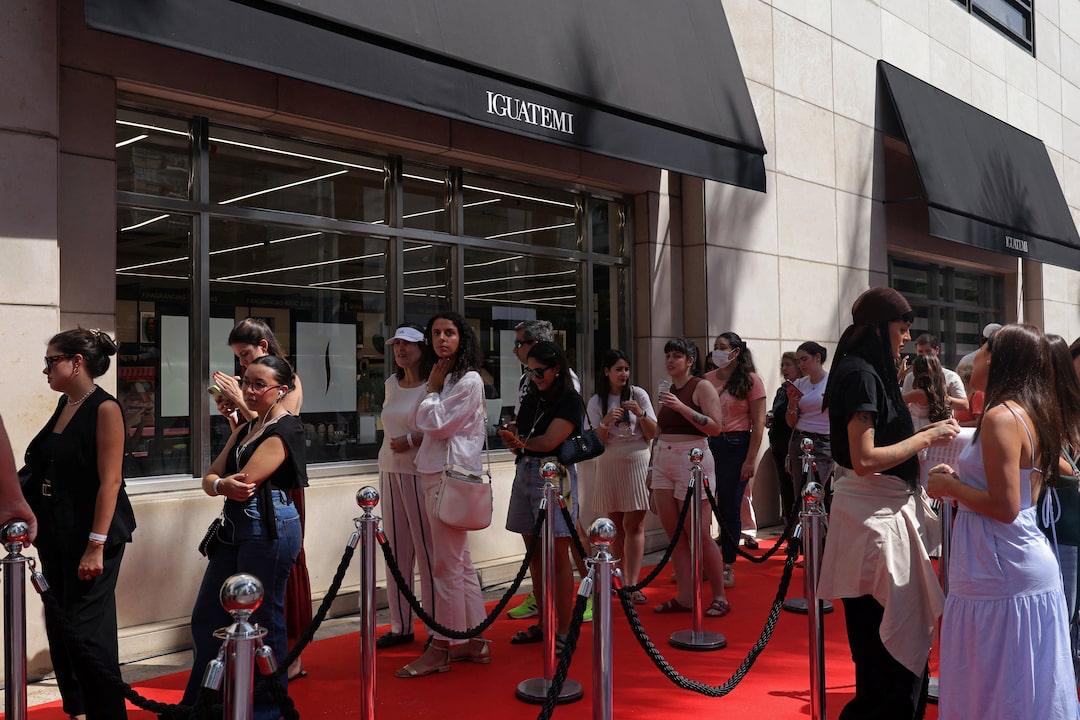
In a landmark move marking its entry into one of Latin America’s largest consumer markets, H&M unveiled its first physical store in Brazil on August 23, 2025, complemented by the simultaneous launch of a nationwide e-commerce platform. This strategic expansion comes with ambitions to ra...
In a landmark move marking its entry into one of Latin America’s largest consumer markets, H&M unveiled its first physical store in Brazil on August 23, 2025, complemented by the simultaneous launch of a nationwide e-commerce platform. This strategic expansion comes with ambitions to ramp up local manufacturing, positioning Brazil as a key growth pillar for the Swedish fashion giant’s global portfolio.
Key Highlights: A New Fashion Frontier in Brazil
H&M’s inaugural store opened in São Paulo’s upscale Iguatemi mall, initially focusing on women’s apparel, with plans for subsequent outlets—including a larger second store in the Anália Franco mall—offering extensive women’s, men’s, children’s, and accessories collections.
Alongside brick-and-mortar stores, H&M’s online platform (hm.com.br) went live the same day, enabling nationwide direct-to-consumer access and signaling its commitment to a seamless omni-channel retail approach.
H&M invested in a 24,000-square-meter distribution center in Extrema, Minas Gerais, a strategic location between São Paulo and Rio de Janeiro, to streamline logistics, speed deliveries, and integrate local and international supply chains.
Local Manufacturing Ambitions
The company is already producing some products locally, including footwear, beachwear, and jeans, aiming to enhance supply chain resilience and reduce import dependencies.
This hybrid model blends global sourcing with domestic manufacturing, maintaining H&M’s quality and sustainability standards while tailoring products for Brazil’s market preferences and reducing lead times.
Regional manager Olsson emphasized that accessible pricing remains a priority, ensuring H&M competes effectively with both international fast fashion giants and strong domestic brands.
Strategic Market Entry and Growth Plans
H&M's Brazil foray follows more than a decade of its presence in Latin America, currently serving markets including Mexico, Chile, Colombia, and Peru.
The Brazil launch reflects deep market research and preparation, highlighting Brazil’s emerging middle class, growing digital adoption, and fashion-conscious young demographics as key growth drivers.
Future retail expansion plans include opening more stores across different Brazilian states, though timelines remain under wraps.
Partnership with Dorben Group—a local player with significant retail and operational expertise—strengthens H&M’s market positioning and ability to navigate Brazil’s complex regulatory landscape.
Cultural and Commercial Reception
H&M’s grand launch was celebrated with a gala event, integrating local music and fashion icons, underscoring the brand’s respect for Brazil’s cultural vibrancy and creativity.
The brand’s sustainability initiatives and fast-fashion ethos with a conscious approach have been well-received amid Brazil’s rising awareness of ethical consumption.
Challenges and Market Context
Despite enthusiasm, H&M faces stiff competition from established players like Shein while balancing criticism around environmental impact of fast fashion.
The company’s transparent supply chain efforts and local production investment aim to address sustainability concerns and cultivate loyalty.
Conclusion
H&M’s entry into Brazil represents a calculated long-term investment blending physical retail, digital sales, and local manufacturing. With infrastructure tailored for speed, scale, and sustainability, H&M aims to become a major fashion contender in Brazil—offering quality, affordability, and cultural resonance in one of the world’s most promising retail arenas.
Sources: Modaes, Reuters, The Print, H&M Group Press Release, Ainvest, Deccan Chronicle