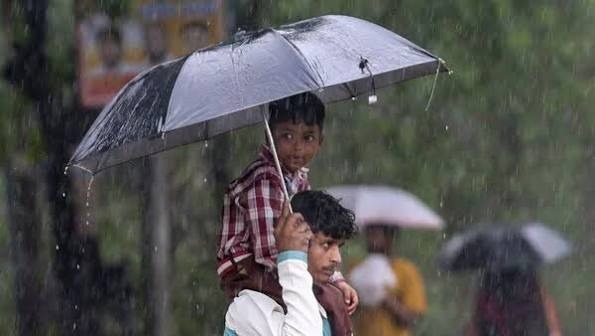
The India Meteorological Department (IMD) has issued a red alert for Gujarat as a deep depression brings extremely heavy rainfall to the state. Districts including Vadodara, Narmada, and Tapi face significant flash flood risks, surface runoff, and inundation. Disaster response authorities have urged citizens to avoid low-lying areas and advised fishermen to stay onshore.
AHMEDABAD, India — The India Meteorological Department (IMD) issued a statewide red alert for Gujarat on July 31, 2026, predicting extremely heavy rainfall, gusty winds, and severe lightning across central and southern districts. The weather alert follows the movement of a deep depression originating over west-central Chhattisgarh that moved west-northwestward across Vidarbha and southern Madhya Pradesh.
The national weather agency warned of high flash flood risks and localized surface runoff across Vadodara, Narmada, Tapi, Chhota Udepur, Kheda, Anand, Panchmahal, and Dahod districts. Emergency response teams, including state and national disaster management forces, have been placed on high alert to handle potential urban inundation and riverine flooding.
Deep Depression Triggers Widespread Downpours and Flash Flood Risk
According to the morning bulletin issued by the IMD, the atmospheric depression moved at a speed of 15 km/h over central India, channeling heavy monsoon moisture into Gujarat. Weather systems are expected to sustain widespread rainfall, accompanied by thunderstorm activity and strong surface winds, through August 2.
Due to fully saturated soil conditions from prior monsoon spells, municipal authorities in low-lying zones face high risks of rapid runoff and localized waterlogging.
Key operational advisories issued by meteorological authorities include:
Flash Flood Warning Zones: Kheda, Anand, Panchmahal, Mahisagar, Dahod, Vadodara, Chhota Udepur, Narmada, and Tapi.
Fishermen Advisory: Total prohibition on venturing along and off the south Gujarat coastline through August 3 due to rough sea conditions.
Agricultural Directives: Farmers advised to establish drainage channels in rice, cotton, soybean, groundnut, and maize fields to prevent prolonged crop root submergence.
Crop Protection: Mandated bamboo staking for tall standing crops like banana, papaya, and sugarcane to prevent wind damage.
Municipal Preparedness and Agricultural Guidance
In response to the red alert, district administrations across Vadodara, Narmada, and Surat have mobilized civic teams to clear drainage chokepoints and monitor water levels in regional reservoirs and river basins. Municipal authorities in Vadodara have set up emergency control centers to manage urban waterlogging and assist residents in vulnerable low-lying neighborhoods.
Agrometeorological advisories issued alongside the weather warning urged farmers to halt pesticide spraying during heavy downpours and ensure immediate field dewatering to save commercial standing crops from rot.
Impact on Citizens, Commuters, and Regional Commerce
The active weather system creates immediate operational hurdles across public transport and regional trade networks:
For Citizens & Residents: Increased risk of waterlogged residential areas, localized power outages, and potential evacuations in vulnerable riverside settlements.
For Travelers & Commuters: Road traffic slowdowns, low visibility, and potential disruptions on inter-district highways connecting central and south Gujarat.
For Maritime & Fishing Communities: Suspension of coastal fishing activities protects marine workers from rough surf and squally weather along the Arabian Sea.
Official Sources Section
Weather data, flash flood warnings, and safety guidelines cited in this news article were compiled and verified through:
Quote Section
"According to officials from the India Meteorological Department, the deep depression moving across Vidarbha and southern Madhya Pradesh continues to bring heavy to extremely heavy rainfall over Gujarat, prompting red alerts and flash flood advisories across Vadodara, Narmada, and Tapi districts."
Why It Matters
Extremely heavy rainfall on already saturated soil leads to rapid water accumulation, inundating urban transit corridors and agricultural lands. Timely red alerts allow local municipal agencies and disaster management teams to deploy pumps, clear drainage channels, and protect vulnerable communities from flash floods.
Key Facts at a Glance
Alert Level: Red Alert issued by IMD for extremely heavy rainfall.
Primary Cause: Deep depression over central India moving west-northwestward.
High-Risk Districts: Vadodara, Narmada, Tapi, Chhota Udepur, Kheda, Anand, Panchmahal, and Dahod.
Fishermen Ban: Effective off south Gujarat coast through August 3.
Frequently Asked Questions (FAQs)
Why has the IMD issued a red alert for Gujarat?
The IMD issued a red alert due to a deep depression moving across central India, bringing widespread and extremely heavy rainfall, thunderstorm activity, and high winds to the state.
Which districts in Gujarat face flash flood risks?
Districts under flash flood risk include Vadodara, Narmada, Tapi, Chhota Udepur, Kheda, Anand, Panchmahal, Dahod, and Mahisagar due to saturated soil conditions.
How long will the heavy rainfall and coastal warnings last?
According to IMD forecasts, widespread heavy rainfall is expected through August 2, while coastal warnings for fishermen remain in effect until August 3.
Source: India Meteorological Department, Press Information Bureau, Gujarat State Disaster Management Authority.