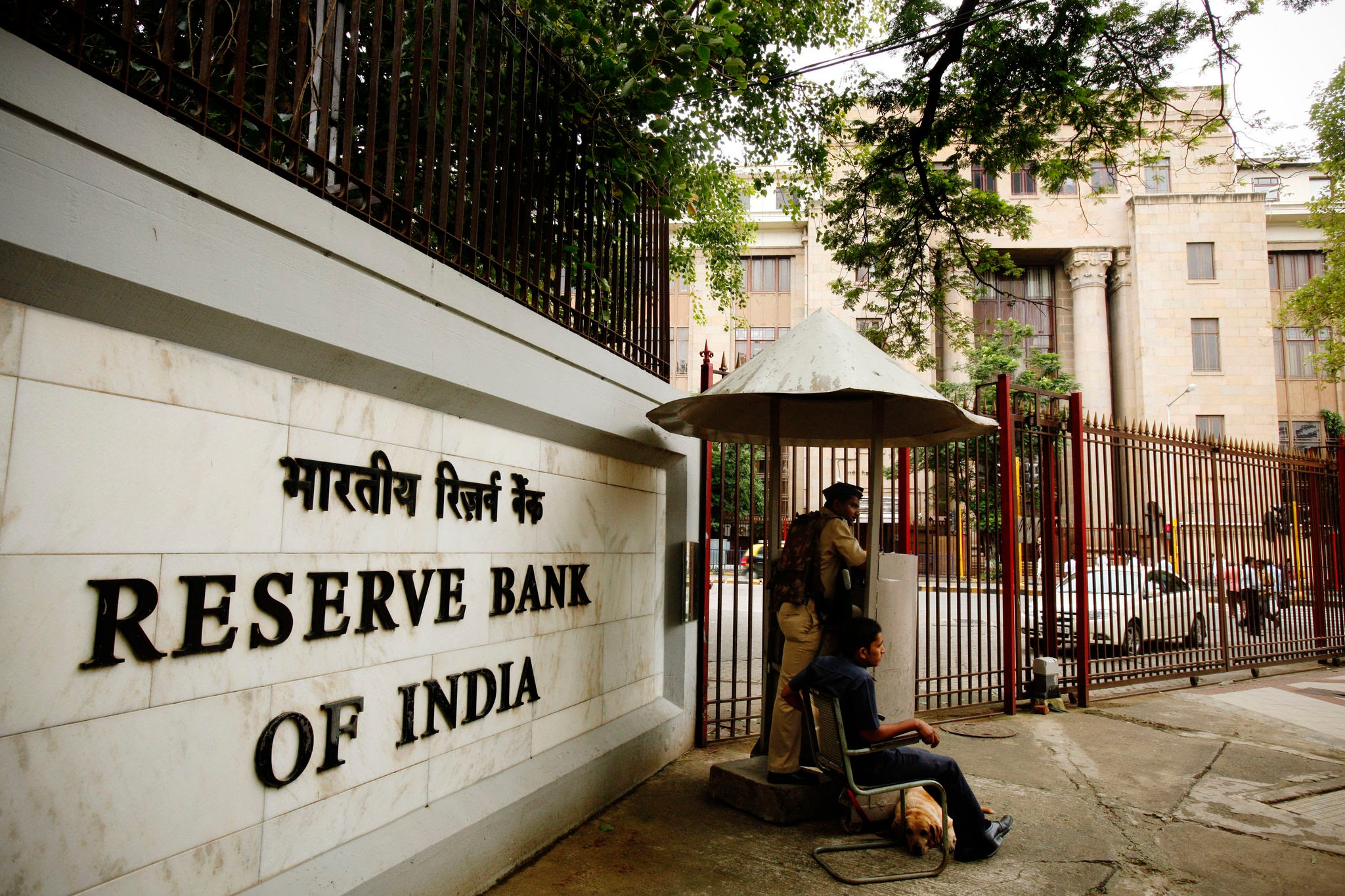
India’s 10-year benchmark government bond yield rose by 8 basis points in July 2026, marking its highest monthly increase since May. The yield surge reflects shifting market expectations regarding monetary policy, evolving sovereign debt supply dynamics, and broader global macroeconomic pressures affecting fixed-income markets across institutional trading desks in Mumbai.
MUMBAI, India — India’s benchmark sovereign debt market recorded a significant shift on July 31, 2026, as the India 10-yr benchmark govt bond yield surged by 8 basis points over the course of the month. According to market data from financial trading platforms, this monthly increase represents the steepest yield climb registered by the benchmark paper (IN069436G=CC) since May, driven by evolving liquidity conditions, heavy scheduled government borrowing, and shifting global rate expectations.
Factors Driving the July Yield Surge
The upward movement in the India 10-yr benchmark govt bond yield reflects a combination of domestic monetary factors and external debt trends. Financial market participants attributed the 8 basis point rise primarily to sustained sovereign bond supply as the Central Government continued its scheduled market borrowing program for the financial year.
Traders noted that institutional demand faced temporary absorption challenges as primary dealers and state-run banks adjusted portfolios ahead of upcoming central bank liquidity management operations. Additionally, movements in U.S. Treasury yields and global crude oil prices created secondary pricing pressures on domestic sovereign paper, keeping yields elevated throughout the latter half of the month.
Market Dynamics and Trading Benchmarks
The benchmark 10-year paper (IN069436G=CC) serves as the primary interest rate reference point across Indian corporate and institutional credit markets. Bond yields move inversely to debt security prices; an 8 basis point rise indicates a decline in underlying bond valuations across secondary market desks.
The July performance stands out following a period of relative yield stability in June. Market analysts highlighted that the monthly rise of 8 basis points was the largest cumulative advance since May, reflecting broader market recalibration as traders position themselves ahead of future policy rate decisions by the Reserve Bank of India (RBI) Monetary Policy Committee.
Broader Economic Impact on Borrowing Costs
A sustained rise in the India 10-yr benchmark govt bond yield carries direct implications across the broader economy. Because sovereign yield curves dictate baseline interest rates, higher benchmark bond yields typically lead to increased corporate borrowing costs for Indian companies issuing commercial paper and corporate bonds.
For retail consumers and banking institutions, rising sovereign yields influence long-term deposit rates and money market instruments. While immediate retail lending rates remain anchored to external benchmark lending rates set by commercial banks, persistent yield increases in government debt usually ripple through to broader debt capital costs over subsequent quarters.
Official Sources Section
Market data and debt trading statistics were recorded across official market reporting systems and clearing platforms:
Reserve Bank of India (RBI): Financial Markets Operations & Sovereign Debt Auction Data via the Reserve Bank of India Desk.
Clearing Corporation of India Limited (CCIL): Secondary Market Debt Settlement Metrics via the CCIL Platform Desk.
Ministry of Finance: Central Government Market Borrowing Schedule via the Ministry of Finance Portal.
Official Quote
"According to market desk officials and regulatory trading reports, the 8 basis point increase in the 10-year benchmark yield during July reflects balanced supply-demand adjustments during heavy auction cycles. Institutional investors continue to recalibrate portfolio durations in line with prevailing macroeconomic liquidity conditions and global interest rate developments."
Why It Matters
The trajectory of the India 10-yr benchmark govt bond yield is a critical indicator of economic health, fiscal health, and interest rate trends. A higher yield reflects tighter credit conditions or expectations of sustained interest rates, which affects how cheaply corporations can finance capital expenditure projects. For fixed-income investors, higher yields offer better coupon entry points on sovereign debt, while existing bondholders experience paper mark-to-market adjustments on current portfolio holdings.
Key Facts at a Glance
Monthly Yield Increase: The India 10-yr benchmark govt bond yield rose by 8 basis points in July 2026.
Historical Benchmark: Represents the highest single-month yield rise since May 2026.
Primary Instrument: Tracked under the benchmark security identifier IN069436G=CC.
Key Drivers: Central government debt supply, institutional portfolio realignments, and global market signals.
Economic Influence: Directly impacts corporate bond pricing, banking system liquidity, and broader borrowing costs.
Frequently Asked Questions (FAQ)
What does a rise in the 10-year government bond yield mean?
A rise in bond yield means that market interest rates for sovereign debt have increased, which causes existing bond prices to fall. It indicates that investors require a higher return to hold government debt.
Why is the India 10-yr benchmark govt bond yield important?
The 10-year yield acts as the risk-free benchmark for the entire Indian economy. It directly influences interest rates for corporate debt, bank lending benchmarks, and capital expenditure costs across industries.
How does bond yield movement affect individual investors?
Rising bond yields usually improve returns on fresh fixed-income investments such as debt mutual funds and long-term government securities, though they can temporarily lower the net asset value (NAV) of existing long-duration debt funds.
Source: Official market trading statistics and regulatory reports from the Reserve Bank of India Desk, CCIL Settlement Desk, and the Ministry of Finance Portal.