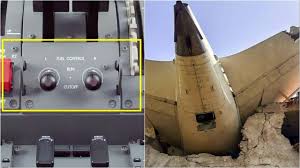
India’s Aircraft Accident Investigation Bureau (AAIB) will miss its one-year deadline for the final Air India crash report, which is now expected within three months due to a pending engine probe. The agency will release a status report this week detailing the technical reasons behind the extension.
NEW DELHI, India — India’s Aircraft Accident Investigation Bureau (AAIB) expects to release its final safety report on the Air India crash within the next three months, according to regulatory sources familiar with the matter. The anticipated release timeline means investigators will officially miss their statutory one-year deadline, highlighting the intricate logistical and engineering hurdles involved in finalizing high-profile commercial aviation probes.
The extension is driven by complex technical assessments regarding the aircraft's propulsion systems. To maintain public transparency while the investigation continues, the AAIB will issue an interim status report this week detailing the specific engineering factors behind the delay. The upcoming status disclosure will outline why a comprehensive engine probe remains pending and trace the timeline required to conclude the investigation.
Pending Engine Probe Pushes Timeline Past One-Year Deadline
According to internal administrative records reviewed by Bloomberg News, the final report regarding the Air India crash requires extensive data validation from international partners. Under standard international civil aviation rules, major accident investigations are expected to conclude within 12 months of the event. However, complex structural failures often require prolonged lab analysis.
The current delay is linked to a pending engine probe, which requires close technical collaboration with overseas equipment manufacturers and international safety regulators. Testing high-stress turbine components, evaluating digital electronic engine controls, and reconstructing the final moments of thrust management demand extensive laboratory simulations.
Because the AAIB will miss the traditional one-year milestone, civil aviation protocols require the agency to publish a public status report. This document, expected later this week, will explain the procedural delays and reassure the global aviation community that the investigation is following rigorous technical standards.
Technical Collaboration Navigates Complex Supply Chain Data
The ongoing investigation involves multiple international entities, making data collection a highly meticulous process:
International Manufacturer Input: Investigators are waiting on specialized component teardown data from global aerospace entities, including the engine manufacturers and aircraft suppliers.
Flight Data Recorders: While basic flight data and cockpit voice recordings were recovered early in the process, matching that data against the physical damage found on the engine turbines requires specialized metallurgical testing.
Rigorous Safety Standards: Aviation experts state that rushing a final report without complete teardown data can compromise safety recommendations, which are designed to prevent similar failures worldwide.
The meticulous pace of the investigation reflects the current cautious environment in global aviation, where regulatory bodies prefer thorough data over quick conclusions to maintain public confidence in commercial air travel.
Broad Impact on Global Travelers, Airlines, and Investors
The delay in issuing the final Air India crash report has practical ripple effects across several areas of the aviation industry:
Airlines and Operators: Fleet managers must wait for the final report to determine if the incident was caused by an isolated operational error or a systemic mechanical flaw that requires mandatory maintenance checks across similar aircraft models.
The Traveling Public: Passengers seeking clear answers regarding safety protocols face continued uncertainty until the definitive safety recommendations are formally established.
Insurance and Legal Frameworks: The resolution of structural liability claims, passenger compensation packages, and corporate insurance settlements typically remains paused until the AAIB issues its final, authoritative report.
For institutional investors tracking major aerospace organizations and airline groups, the interim status report will be closely analyzed for any signs of broader manufacturing vulnerabilities that could affect aircraft delivery schedules or trigger costly maintenance updates.
Official Sources Section
The investigative timelines, regulatory steps, and technical details outlined in this report are based on official information from the following aviation and regulatory sources:
Procedural tracking records maintained by India's Aircraft Accident Investigation Bureau (AAIB).
Regulatory disclosure updates compiled by the Ministry of Civil Aviation.
Global aerospace safety briefings distributed through institutional market data networks.
Quote Section
"According to officials familiar with the investigation, the upcoming status report will provide necessary transparency to the public, detailing the exact nature of the pending engine probe and the steps being taken with international manufacturers to wrap up the final safety assessment securely."
— Aviation Regulatory Correspondent, detailing the investigation timeline
"Organizers stated that while missing the one-year mark is a serious regulatory milestone, the priority must remain on absolute technical accuracy to ensure that the final safety recommendations are unassailable."
— Safety Analyst, tracking regional air accident investigations
Why It Matters
For the global commercial aviation sector, the definitive findings of the AAIB final report are crucial for identifying potential mechanical or operational vulnerabilities, which could lead to worldwide safety alerts or updated pilot training programs. For passengers and airline crews, a thorough, evidence-based report ensures that accountability is properly assigned and safety gaps are closed. Pragmatically, the interim report scheduled for this week helps maintain regulatory transparency, assuring the international travel market that India’s safety protocols match global transparency standards during complex investigations.
Key Facts at a Glance
New Publication Window: The AAIB’s final report on the Air India crash is expected within the next three months, missing its initial 12-month goal.
Interim Report Scheduled: The federal safety agency will release a formal status report this week to explain the technical reasons behind the delay.
Engine Probe Pending: The extended timeline is due to ongoing, complex engineering reviews of the aircraft’s propulsion systems.
International Cooperation: The investigation requires highly detailed component teardown data from global aerospace manufacturers and safety bodies.
Industry Frameworks Impacted: Final insurance settlements, passenger liability resolutions, and fleet maintenance modifications remain dependent on the final report.
FAQ Section
Why is the final Air India crash report being delayed past the one-year mark?
The final report is delayed because a highly complex engine probe remains pending. Investigators require additional time to perform detailed metallurgical testing and analyze complex data in coordination with international engine manufacturers.
What information will this week’s status report contain?
The interim status report, expected this week from the AAIB, will focus specifically on the technical and administrative reasons behind the delay, giving the public and the aviation industry an update on what has been completed and what is still pending.
When can the public expect the final, definitive crash report?
Aviation officials indicate that the final report from India's Aircraft Accident Investigation Bureau (AAIB) is currently projected to be finished and published within the next three months.
How do these safety reports affect global airline operations?
Final accident reports provide crucial safety recommendations. If a mechanical flaw is discovered, global aviation regulators can issue mandatory directives requiring airlines around the world to inspect or modify similar aircraft parts to ensure passenger safety.
Which agency is responsible for leading this aviation investigation?
The investigation is led by India’s Aircraft Accident Investigation Bureau (AAIB), an autonomous government body under the Ministry of Civil Aviation tasked with investigating serious aircraft accidents and incidents within Indian airspace.
Source: Ministry of Civil Aviation Regulatory Portal, Aircraft Accident Investigation Bureau Safety Archive, Bloomberg Aviation Desk Dispatches.